Your cart is empty






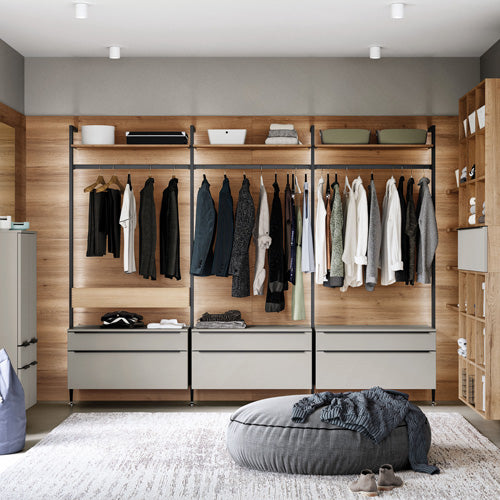
Küche

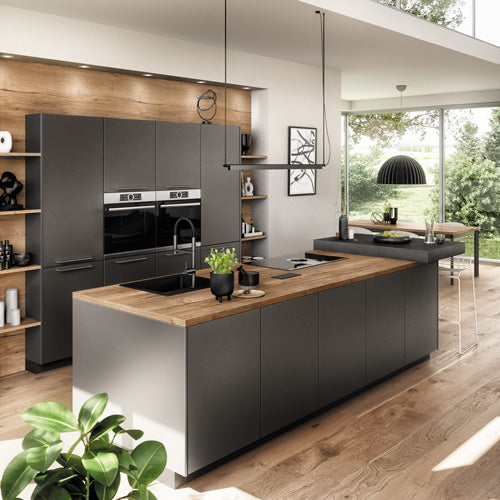

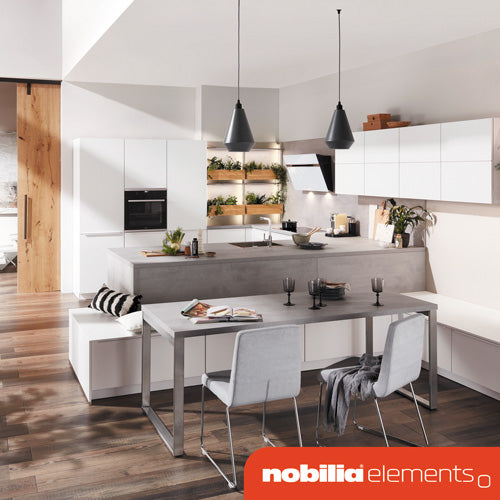

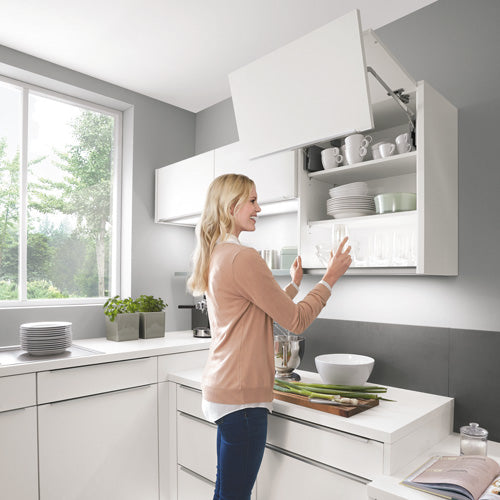



PROFESSIONELLER 3D NOBILIA KÜCHENPLANER - Desktop


ONLINE KITCHEN PLANNING WITH PRICES - configure today / pick up tomorrow
INTUITIVE & SCHNELLE KÜCHENPLANUNG - Auf allen Geräten





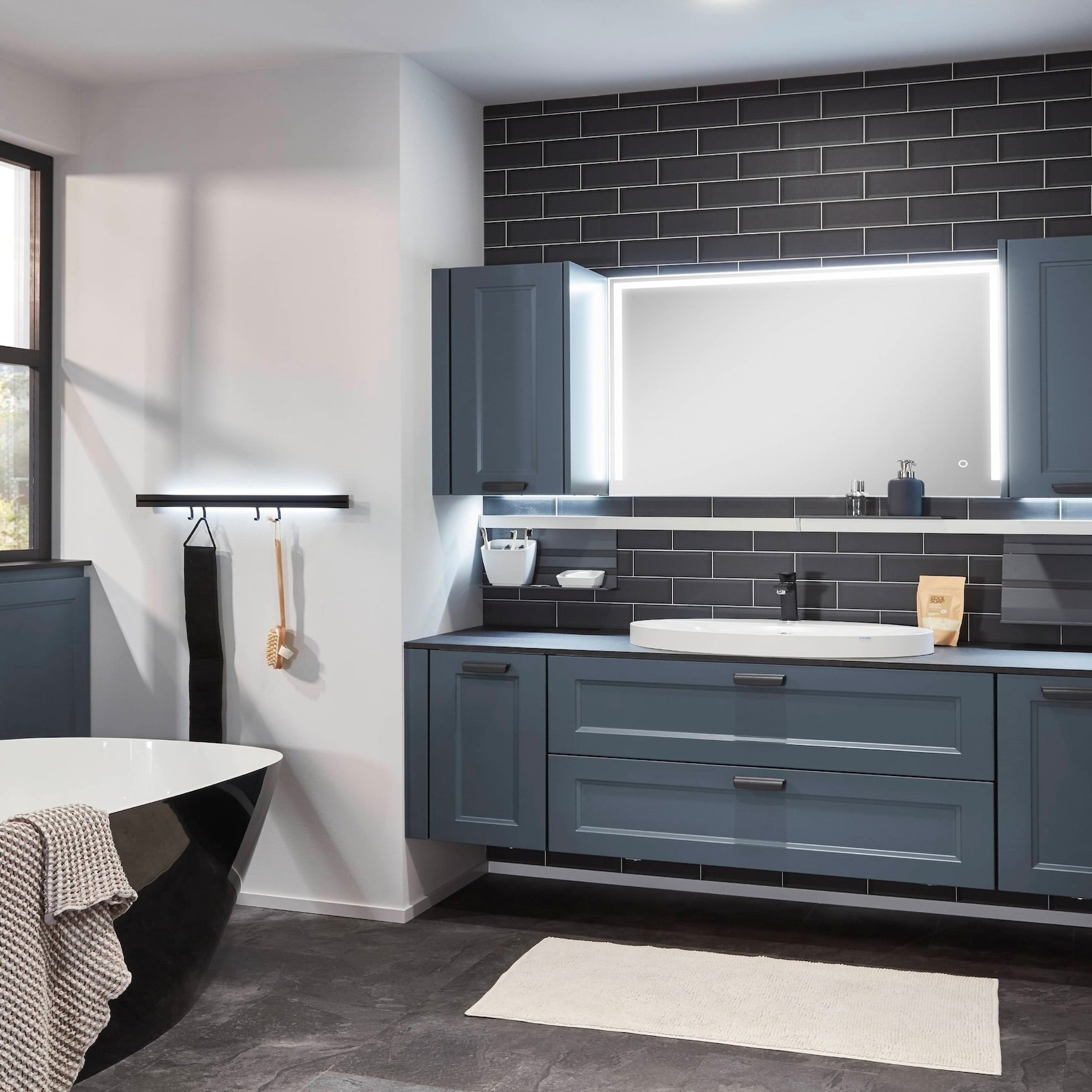
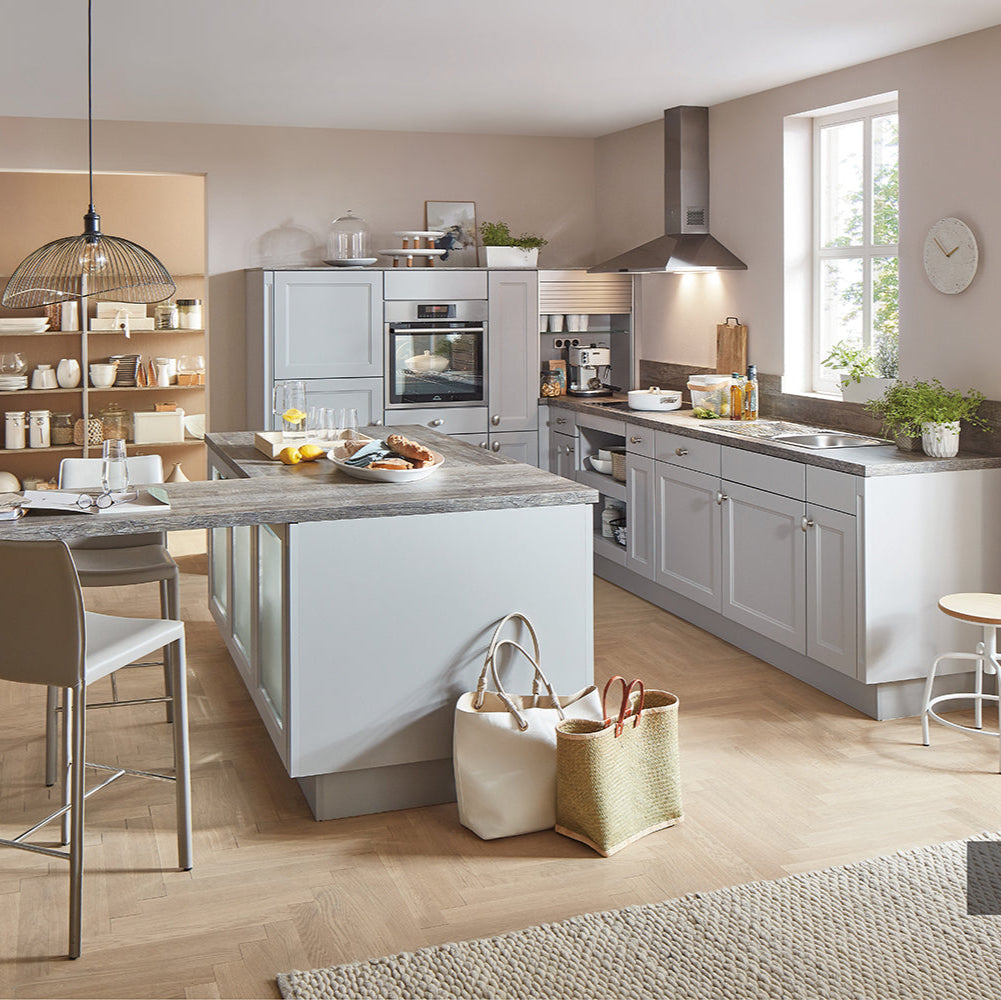

What a good kitchen really costs: An honest guide to prices and planning
Purchasing a new kitchen is a complex project and a significant investment in private living space. The market for fitted kitchens is often confusing for end consumers, characterized by a multitude of brands, dealer models, and non-transparent pricing structures. Successful realization therefore requires more than just a design decision; it demands a systematic approach that includes market analysis, realistic budget planning, and careful process management. This guide offers a structured orientation aid for the entire purchasing process.
1. Market Analysis: Quality Features and Distribution Channels
A well-founded purchase decision is based on understanding the market and the qualities offered.
Quality Features of Branded Kitchens: Unlike no-name products or private labels, established German and European kitchen brands are characterized by compliance with defined quality and safety standards. Certificates such as the “Goldene M” from the German Furniture Quality Association can serve as a guide here. Concrete, verifiable quality features are:
- Carcass Construction: High-quality carcasses consist of high-density chipboards with a thickness of 18 to 19 mm. A screwed back panel at least 8 mm thick ensures high torsional rigidity.
- Edge Banding: The edges of the chipboards should ideally be glued with polyurethane (PU) adhesive, which, unlike conventional hot melt adhesive, provides a permanently water-resistant and thus swelling-proof seal.
- Fittings: The use of durable mechanical components, for example from specialized manufacturers, is crucial. This includes hinges tested for a high number of opening cycles and pull-out systems with high load capacity (at least 30 kg, for heavy pots rather 50 to 70 kg).
- Guarantees: Many brand manufacturers offer a long-term guarantee on the furniture parts as well as a repurchase guarantee for spare parts, ensuring the longevity of the investment.

Alternative: The Kitchen from the Carpenter/Joiner: An alternative to industrially manufactured kitchens is custom-made by a craft business. This allows for the highest level of individuality in materials, dimensions, and adaptation to complex room situations. Communication takes place directly with the manufacturer. This is often associated with higher costs and requires a close relationship of trust, as the standardized processes and guarantees of a large brand manufacturer may not apply.
Sales Channels
- The Owner-Operated Kitchen Studio: Usually offers very individual and detailed expert advice as well as close project support from kitchen planning to final acceptance. The selection is often concentrated on a few proven partner brands.
- The Large-Scale Kitchen Specialty Store: Presents a very large selection of showroom kitchens and brands. Due to high purchasing volumes, competitive prices can often be realized here. The consultation tends to be more standardized.
- Online Planners and Retailers: A growing sales channel that often advertises price transparency and convenience. The downside is the lack of tactile experience with the materials and the high personal responsibility for measurements and coordination of installation.
2. The Price Structure: Cost Factors and Negotiation Leeway for Your Dream Kitchen
The total price of a kitchen is a sum of various individual components. Understanding this structure is essential for realistic budget planning. The main cost factors are: kitchen furniture (approx. 40 to 50%), electrical appliances (approx. 20 to 30%), countertop (approx. 10 to 20%), as well as delivery and installation.
Pricing and Discount Structure in the Kitchen Trade: The German kitchen market is characterized by a special price structure. The catalog or list prices issued by manufacturers are often set very high and serve as a calculation basis for the trade. In practice, significant discounts are granted on these list prices. Offers with flat, very high discounts (e.g., "50% off all wooden parts") without a detailed breakdown of individual items should be viewed with caution. What matters is not the discount granted, but the final price for a clearly defined service.
Obtaining comparable offers: To get a realistic price idea and create a solid negotiation basis, it is essential to obtain at least two to three detailed offers from different dealers. It is important that the offers are based on an identically planned kitchen (same fronts, appliances, countertop) to ensure true comparability. A reputable offer lists every single item with manufacturer and article number.
3. Finding the right partner: How to evaluate a kitchen studio
The quality of planning and later implementation largely depends on the trade partner.
- Needs analysis: A reputable kitchen studio asks detailed questions about your cooking habits, storage needs, and daily routine instead of immediately starting cabinet planning.
- Transparency: After the planning discussion, you receive detailed documents including floor plans, views, and a comprehensible list of components. Be cautious if a dealer refuses to release plans before contract signing. Some dealers charge a protection fee for this, which is credited upon contract conclusion, a legitimate measure to protect against plan theft.
- No sales pressure: Good advice takes time. Warning signs are aggressive discount promises valid only on that day or pressure to sign quickly.
4. Savings potential: Buying a showroom kitchen
A legitimate way to acquire a high-quality kitchen at a reduced price is to buy a showroom kitchen.

- Advantages: Purchase of a kitchen often equipped with above-average quality at a fraction of the new value; immediate availability.
- Disadvantages: The biggest challenge is the unchangeable configuration that must fit the target room exactly. Adjustments are often limited and come with high additional costs, as supplementary cabinets are charged at full list price and the front program may no longer be current. Additionally, slight signs of use may be present.
Checklist for buying a showroom kitchen
- Exact measurement: Create a millimeter-precise floor plan of your room including all connections before starting your search.
- Detailed inspection: Check all surfaces for defects in good lighting. Test the flawless function of all mechanical parts.
- Clarify warranty: Have the warranty and guarantee periods for furniture and each individual electrical appliance confirmed in writing. The appliance warranty often starts with installation in the showroom, not with your purchase.
- Capture total costs: The quoted price is often a pure pickup price. Clarify in writing the costs for dismantling, transport insurance, delivery, installation, and connections.
- Written contract: All components, services, and any defects must be detailed in the purchase contract.
5. Process reliability: Risk minimization from contract to acceptance
The majority of problems in kitchen purchase result from insufficient planning and incomplete contracts.
The purchase contract: The most important document. It must contain a detailed specification listing every component (with manufacturer article number), every electrical appliance (with exact model designation), and every agreed service. Oral side agreements should always be fixed in writing as an addendum to the contract. Pay attention to fair payment terms (e.g., a deposit, a main payment upon delivery, and a final payment after defect-free acceptance).
Responsibility for measurement: Insist on a professional measurement by the kitchen studio after contract conclusion. Only then does the responsibility for the kitchen's fit lie with the dealer.
Coordination of trades: Clarify in advance who is responsible for coordinating the electrician and plumber. The kitchen studio must provide a detailed and dimensioned installation plan. Compliance with this plan by the on-site craftsmen is crucial for smooth installation. Set a clear schedule for when the preliminary work must be completed.
Delivery and installation: Insist on specifying a binding delivery period (specific calendar week). Immediately check the delivery upon arrival for completeness and obvious transport damage against the contract list. Document any defects during installation immediately with photos and inform the planner.
The acceptance protocol: Sign the acceptance protocol only after careful inspection of the fully assembled kitchen in daylight. All identified defects (e.g., a scratch on the front, a misaligned door, a non-functioning appliance) must be documented in detail and in writing. The acceptance should explicitly be "subject to the rectification of the listed defects." In case of significant defects that limit use, there is a right to withhold part of the remaining payment (usually two to three times the estimated cost of defect rectification).
6. Chronological checklist for kitchen purchase
-
Phase 1: Preparation (3 to 6 months before purchase)
- Needs analysis: Define own wishes, habits, and budget
- Gather inspiration, define rough style
- Non-binding initial information from various dealers
-
Phase 2: Planning and offer phase (1 to 3 months before purchase)
- Select 2 to 3 preferred dealers
- Conduct detailed planning discussions
- Obtain detailed and comparable offers
- Review and negotiate offers
-
Phase 3: Contract and implementation phase (from purchase)
- Complete the contract after reviewing all details
- Have professional measurements taken by the dealer
- Receive final installation plan for electrician and installer
- Coordinate and carry out on-site preparatory work
- Have delivery date confirmed
-
Phase 4: Installation and acceptance
- Check delivery for completeness and damages
- Accompany installation and document any defects
- Final acceptance: Carefully inspect kitchen, record defects, sign acceptance protocol with reservation
- Track defect rectification
- Make final payment
View full article
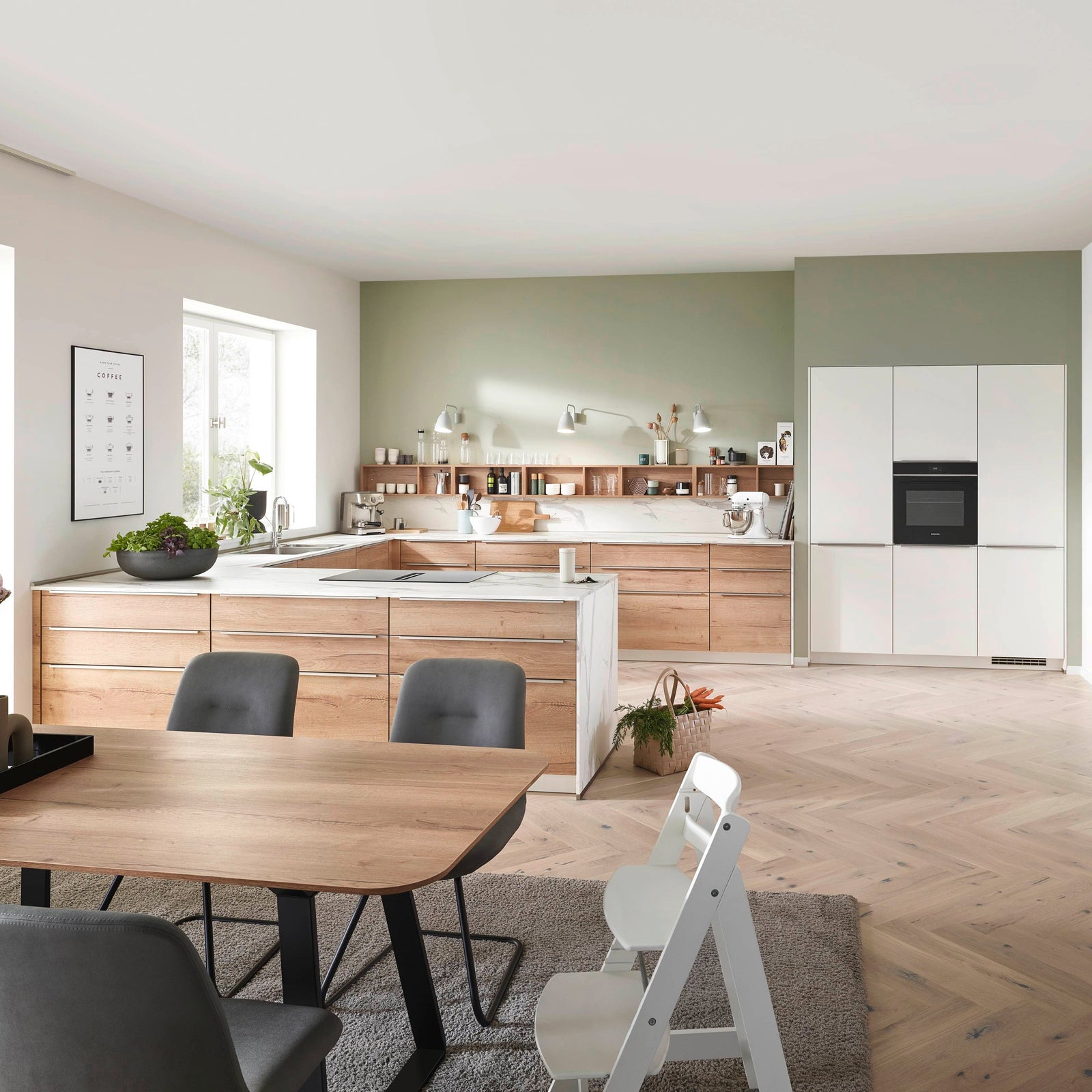

Sachliche Küchenplanung für erfahrene Käufer
Erfahrene Käufer wissen: Sachliche Küchenplanung spart langfristig Zeit und Kosten. Faire Angebotsküchen und gebrauchte Ausstellungsküchen im Küchenstudio bieten hohes Potenzial, wenn Sie drei zentrale Planungsprinzipien beachten. So erreichen Sie robuste Materialien, ausreichenden Stauraum und ein klares Raumkonzept.
View full article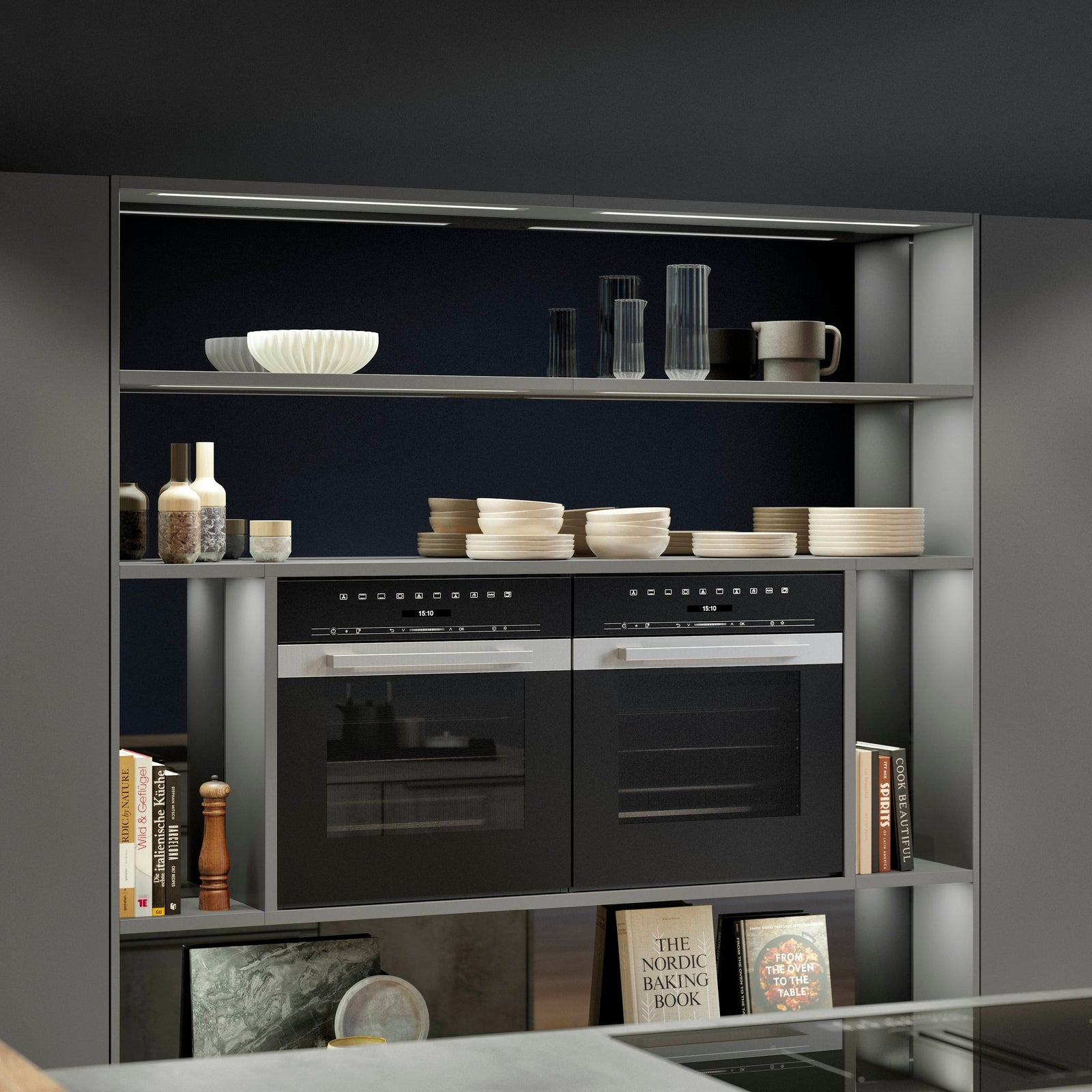

Gerätetechnische Erweiterungen im Nobilia-Portfolio 2026
Moderne Küchen verlangen einfache Wartung und vielseitige Küchengeräte. Nobilia präsentiert 2026 mit dem BORA GPNext und exklusiven Electrolux-Neuheiten technische Erweiterungen für das mittlere Segment. Diese Innovationen beschleunigen den Filterwechsel und bieten Planern eine zentrale Lösung, ein Highlight unter den Küchentrends 2026.
View full article

Effektive Raumnutzung und Beleuchtungskonzepte in der modernen Küche
Viele Küchen leiden unter ungenutztem Stauraum und fehlender Beleuchtung in der Küche. Praxisorientierte Konzepte ermöglichen optimale Raumnutzung und funktionale, stimmungsvolle Küchenbeleuchtung. Tipps reichen von deckenhohen Schränken bis zu smarten Lichtkonzepten für perfektes Licht und maximale Funktion.
View full article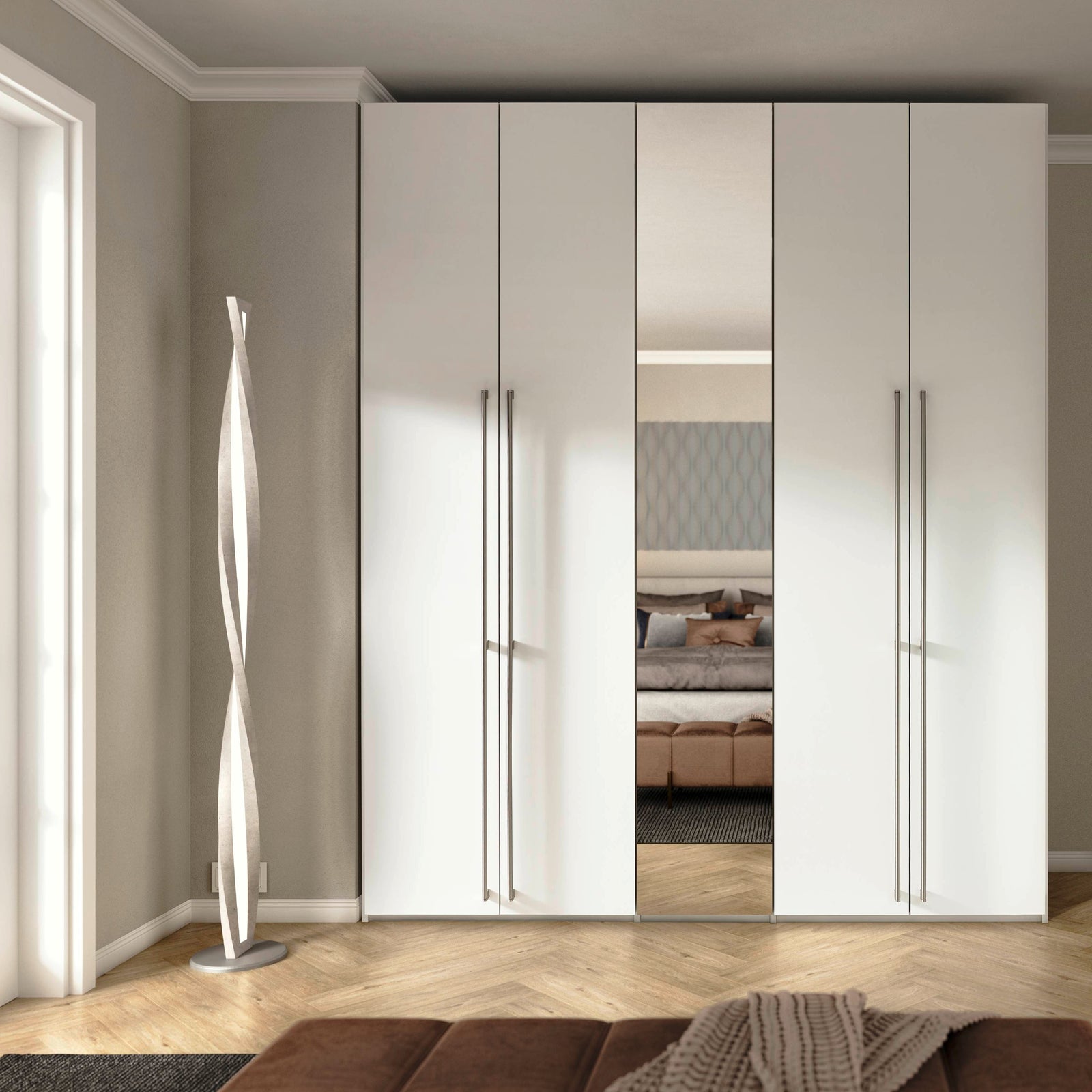

Schlafzimmerplanung mit nobilia
Viele Haushalte zwischen vierzig und sechzig stehen vor der Herausforderung, ihr Schlafzimmer funktional und stilvoll neu zu planen. nobilia erweitert seine Küchenkompetenz um ein systembasiertes Möbelprogramm mit flexiblen Kleiderschrankelementen und abgestimmten Dekoren. Modulare Schlafzimmerplanung sorgt für Langfristigkeit, Stauraumoptimierung und ein durchgängiges Möbelkonzept.
View full article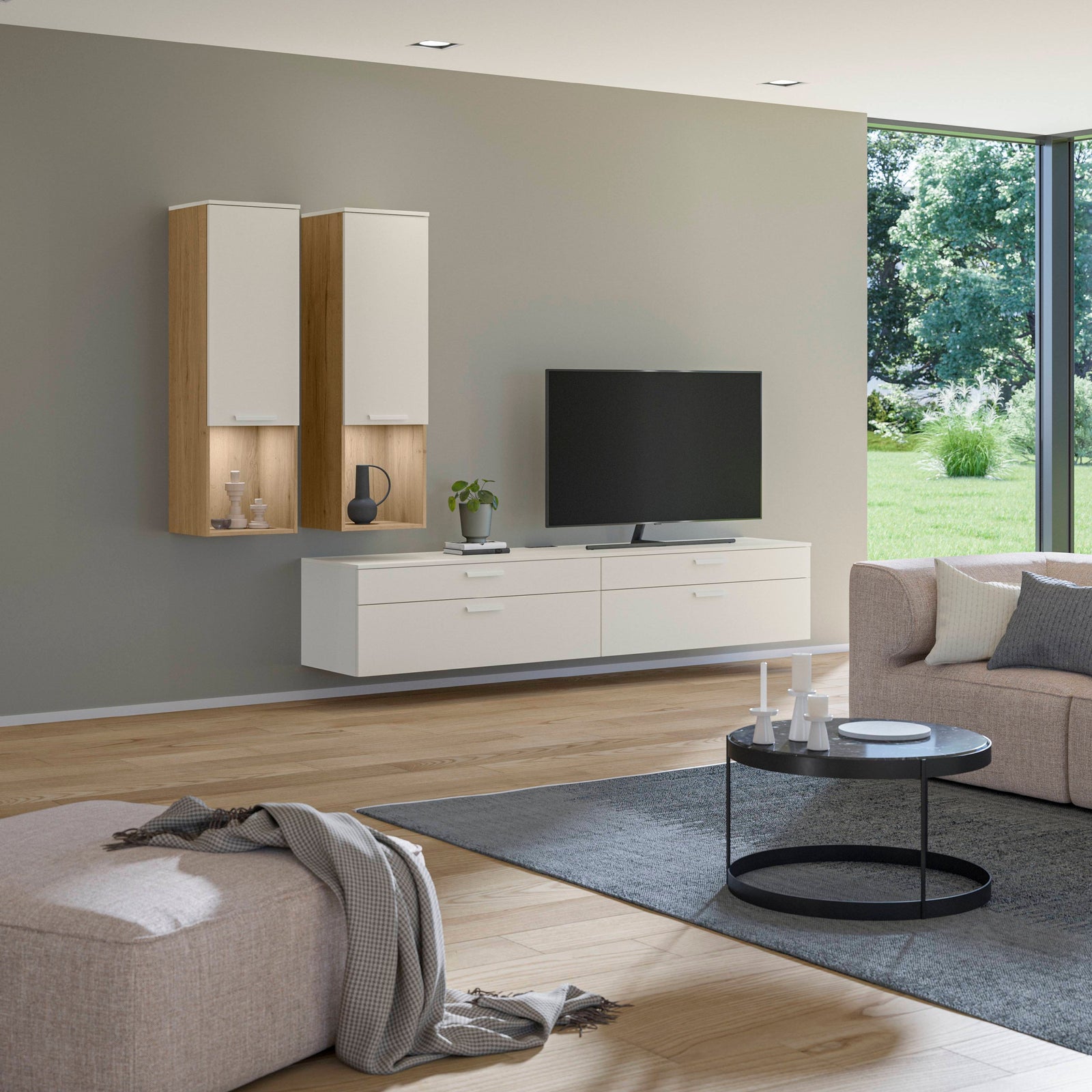

Wohnräume langfristig planen mit den nobilia Produktlinien
Langfristige Wohnraumplanung stellt viele vor unerwartete Hürden. Mit den nobilia Produktlinien profitieren Sie von durchdachten Modulkonzepten für Küchen und offene Wohnbereiche. So schaffen Sie funktionale Räume mit klarer Gestaltung und zeitloser Technikintegration.
View full article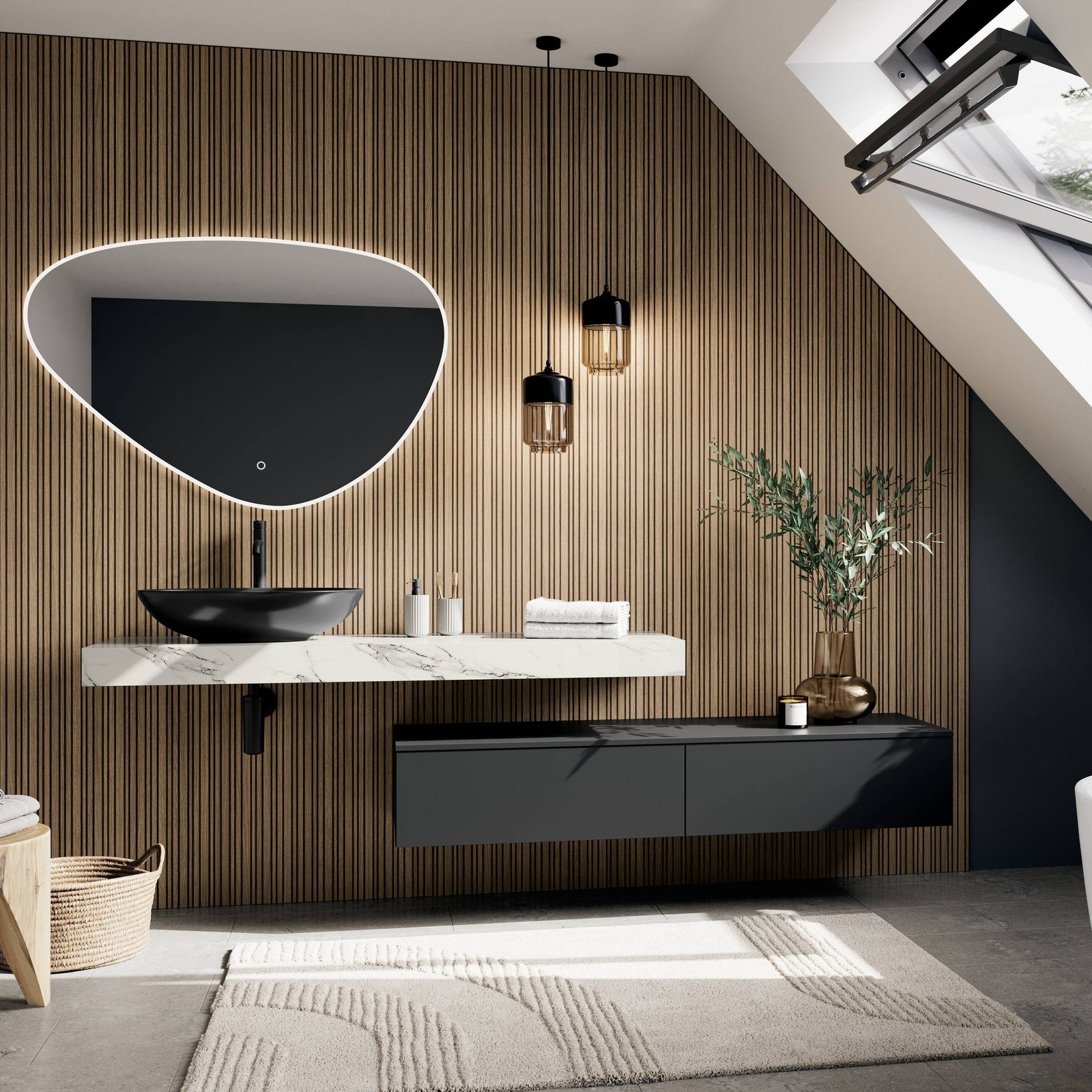

Badplanung mit Blick auf Alltag, Werterhalt und langfristige Nutzung
Viele Eigentümer suchen nach einer funktionalen Badplanung, die Werterhalt und Alltagstauglichkeit vereint. Ich bin Fachmann für nobilia Badmöbel und liefere planungssichere Konzepte, robuste Fronten und Tipps für den Online-Kauf von Badmöbeln. So entsteht ein pflegeleichtes, werterhaltendes Badezimmer für den Alltag.
View full article Sachliche Küchenplanung für erfahrene Käufer
Erfahrene Käufer wissen: Sachliche Küchenplanung spart langfristig Zeit und Kosten. Faire Angebotsküchen und gebrauchte Ausstellungsküchen im Küchenstudio bieten hohes Potenzial, wenn Sie drei zentrale Planungsprinzipien beachten. So erreichen Sie robuste Materialien, ausreichenden Stauraum und ein klares Raumkonzept.
View full article Gerätetechnische Erweiterungen im Nobilia-Portfolio 2026
Moderne Küchen verlangen einfache Wartung und vielseitige Küchengeräte. Nobilia präsentiert 2026 mit dem BORA GPNext und exklusiven Electrolux-Neuheiten technische Erweiterungen für das mittlere Segment. Diese Innovationen beschleunigen den Filterwechsel und bieten Planern eine zentrale Lösung, ein Highlight unter den Küchentrends 2026.
View full article Effektive Raumnutzung und Beleuchtungskonzepte in der modernen Küche
Viele Küchen leiden unter ungenutztem Stauraum und fehlender Beleuchtung in der Küche. Praxisorientierte Konzepte ermöglichen optimale Raumnutzung und funktionale, stimmungsvolle Küchenbeleuchtung. Tipps reichen von deckenhohen Schränken bis zu smarten Lichtkonzepten für perfektes Licht und maximale Funktion.
View full article