Your cart is empty







Küche






PROFESSIONELLER 3D NOBILIA KÜCHENPLANER - Desktop


ONLINE KITCHEN PLANNING WITH PRICES - configure today / pick up tomorrow
INTUITIVE & SCHNELLE KÜCHENPLANUNG - Auf allen Geräten







Oven, Cooktop & Co: What technology do you really need?
The selection of electrical appliances is a central and budget-relevant part of kitchen planning. The market offers a variety of technological options and intelligent functions, whose practical usefulness and relevance for individual needs are often difficult to assess. A well-founded decision requires understanding the underlying technologies, an honest analysis of one's own cooking habits, and a critical weighing of costs and benefits. This guide provides a structured and critical overview of the most important appliance categories, explains the relevant technologies, and supports prioritizing features.
1. The thermal area: oven, cooktop, and extractor hood
This area is where the central cooking processes take place. The choice of technology directly affects the result, safety, and cleaning effort.
The oven From an ergonomic perspective, installing the oven high in a tall cabinet is preferable to installation under the cooktop, as it avoids bending down.
Heating types: In addition to conventional top and bottom heat, a modern convection function (often called 3D or 4D convection) is standard. It enables even cooking on multiple levels simultaneously through optimized air distribution.
Self-cleaning functions:
- Pyrolysis: This is the most effective method. Through thermal decomposition of residues at very high temperatures (around 500 °C), dirt breaks down into ash, which then only needs to be wiped away. The advantage is minimal manual cleaning effort. Disadvantages are the high energy consumption of the process (about 4 to 6 kWh per cycle) and possible odor development during cleaning.
-
More affordable alternatives: The catalytic cleaning uses specially coated walls that oxidize grease splatters during normal baking operation at around 200 °C. The hydrolytic cleaning softens dirt with steam but requires manual follow-up cleaning. Both methods are less thorough than pyrolysis but significantly more energy-efficient.
Steam cooking functions:
- Steam support (steam boost): During roasting or baking, steam is specifically added. This improves results, leads to juicier meat, better crust formation on bread, and facilitates the rising of yeast dough.
-
Full-featured steam cooker: Combination devices that can also operate as pure steam cookers enable particularly nutrient-preserving cooking of vegetables and fish. They are more expensive and require a fixed water connection or a water tank that must be regularly refilled.
Other useful features:
- Integrated roasting thermometer: A sensor monitors the core temperature of the food and controls the cooking process. This is a very useful feature for consistent results with roasts and poultry.
- Telescope slides: These allow safe and complete pulling out of baking sheets and racks without tipping. This makes pouring over a roast or removing food much easier and increases safety.

The cooktop
-
Induction: The modern standard. The technology is characterized by highest energy efficiency, fast response times, and increased safety. Requires the use of magnetizable cookware.
- Flex or full-surface induction: Advanced induction cooktops offer flexible zones where several small coils can be combined into a large surface. This allows the use of large cookware such as roasting pans or grill plates.
- Glass-ceramic (Ceran): A more budget-friendly alternative compatible with all cookware, but with slower heat regulation and higher energy consumption.
- Gas: Valued in professional gastronomy for the direct visual control of the flame. In private use, a niche solution that requires a gas connection and involves higher cleaning effort.
The extractor
- Exhaust air vs. recirculation: If structurally feasible (possibility of a wall breakthrough), an exhaust system that directs cooking fumes outside is preferable to a recirculation system. Recirculation systems filter the air and return it to the room. They are less effective at removing moisture and require regular, costly replacement of activated carbon filters.
-
Design types:
- Classic range hood (wall or island hood): Effective at capturing rising steam, but visually dominant.
- Cooktop extractor (downdraft extractor): A discreet solution that makes a range hood unnecessary. The main disadvantage is the loss of valuable storage space in the cabinet below for the motor unit. Since the steam is extracted against its natural upward direction, these systems often require high suction power, which can affect noise levels.
2. Preservation and Cleaning: Refrigerators and Dishwashers
These devices are in continuous or daily use, which is why efficiency, noise emissions, and interior flexibility are the critical selection criteria.
The refrigerator: As the only device in continuous operation, energy efficiency is of utmost importance here.

- NoFrost technology: Prevents the formation of ice layers in the freezer compartment and makes manual defrosting unnecessary. A small disadvantage can be that unpackaged food can dry out faster due to the dry, cold air.
- 0 degree zone (freshness zone): Special drawers with a temperature near 0 °C and often adjustable humidity. Two areas are often distinguished here: a zone with low humidity ("dry safe") for meat, fish, and dairy products, and a zone with high humidity ("hydrofresh") for fruits and vegetables. This technology can demonstrably extend the shelf life of sensitive foods. The compromise is that this area takes up space that is lost from the regular cooling compartment.
The dishwasher

- Noise level: Given in decibels (dB), this is a critical criterion in open-plan kitchens. A difference of 3 dB is already perceived as a doubling or halving of the perceived volume. Devices with a sound pressure level below 44 dB are considered quiet; models under 40 dB are acoustically hardly noticeable during operation.
- Interior equipment: A cutlery drawer offers better cleaning performance compared to a cutlery basket. Flexible basket systems with foldable spike rows and height-adjustable upper baskets increase loading flexibility for large dishes.
- Drying technology: Besides conventional drying by residual heat, there are systems with special minerals (zeolite) that absorb moisture and convert it into heat. This improves the drying result, especially for plastic dishes.
3. Where to invest, where to save? A priority list
Meaningful investments (high everyday benefit):
- Quiet dishwasher (< 44 dB): One of the most important investments for living comfort in open-plan kitchens.
- Induction cooktop: The gain in speed, control, and safety is usually worth the extra cost compared to glass-ceramic.
-
0 degree zone: For households that cook a lot with fresh, high-quality food.
Possible savings potentials (compromises to be weighed):
- Oven cleaning: Hydrolysis or catalysis instead of the more expensive pyrolysis.
- Extractor hood: A classic, efficient wall-mounted hood instead of an expensive cooktop extractor.
- Renouncing "Smart" functions: Most core functions of a device are perfectly usable even without app control.
4. System integration: What you should consider with connected devices
The networking of household appliances offers comfort features but also carries risks.
- Data Protection: Connected devices collect detailed usage data (e.g., cooking habits, operating times). Consumers should inform themselves about which data is collected, where it is stored, and how it is used.
- Digital Obsolescence: The lifespan of software is often shorter than the mechanical lifespan of the appliance. Discontinued app support or missing security updates can render smart functions unusable or a security risk.
- Reliability: Functionality depends on a stable Wi-Fi connection and the manufacturer's servers. Additional electronics and software represent potential sources of error.
- Costs and Repairability: Smart appliances are more expensive to purchase. Repairs to smart electronics can be more complex and costly.
5. Orientation in the brand landscape
The appliance market is dominated by a few large corporations. More important than the brand name is often the product series within the brand. Manufacturers like Bosch, Siemens, or AEG offer different lines for various budgets and demands (e.g., basic series up to premium series). An appliance from the upper series of a mid-range brand can often be of higher quality than an entry-level appliance from a premium brand. It is advisable to focus on the specific technical data and features of a model rather than on general brand promises.
6. Conclusion: Checklist for a needs-based selection
A successful appliance selection is based on an honest analysis of one's own requirements. The following questions can help with prioritization:
- Cleaning Comfort: How important is time-saving in oven cleaning to me, and am I willing to accept the higher energy consumption of pyrolysis?
- Cooking Habits: Do I often cook with fresh, sensitive foods that would benefit from a 0-degree zone? Do I often use large or special cookware that requires a flexible induction zone?
- Living Situation: Is my kitchen open to the living area, making a quiet dishwasher and effective extractor hood a priority?
- Safety and Ergonomics: Do children cook in the household (advantage of induction)? Is convenient, upright access to the oven and dishwasher important to me?
- Connectivity: What specific daily benefits do I expect from app control, and is it worth the extra cost and potential risks to me?
- Budget: Where does my financial framework lie, and which features do I want to specifically invest in to achieve the greatest personal benefit? A conscious decision for or against certain features is the key to a satisfactory and sustainable investment.
View full article
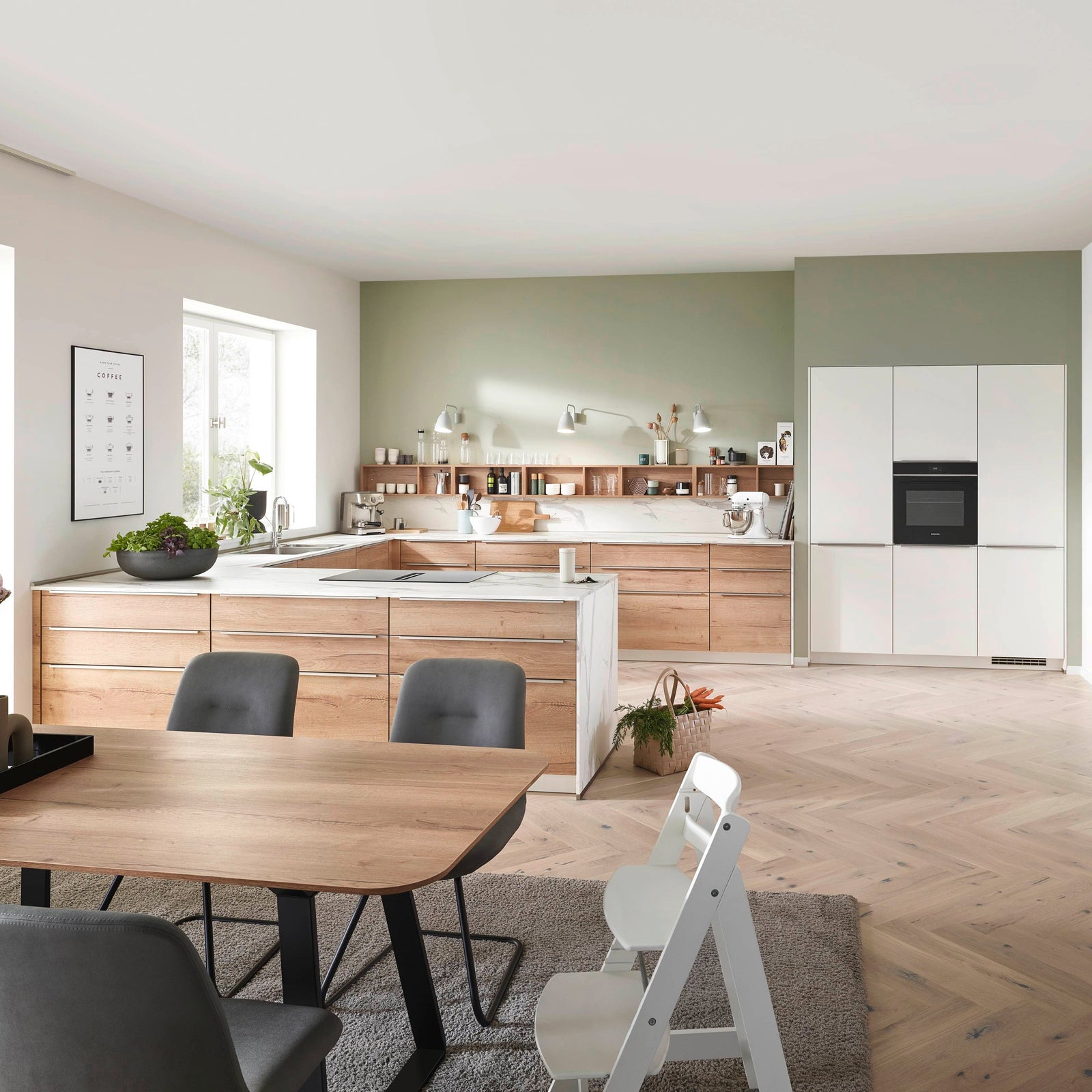

Sachliche Küchenplanung für erfahrene Käufer
Erfahrene Käufer wissen: Sachliche Küchenplanung spart langfristig Zeit und Kosten. Faire Angebotsküchen und gebrauchte Ausstellungsküchen im Küchenstudio bieten hohes Potenzial, wenn Sie drei zentrale Planungsprinzipien beachten. So erreichen Sie robuste Materialien, ausreichenden Stauraum und ein klares Raumkonzept.
View full article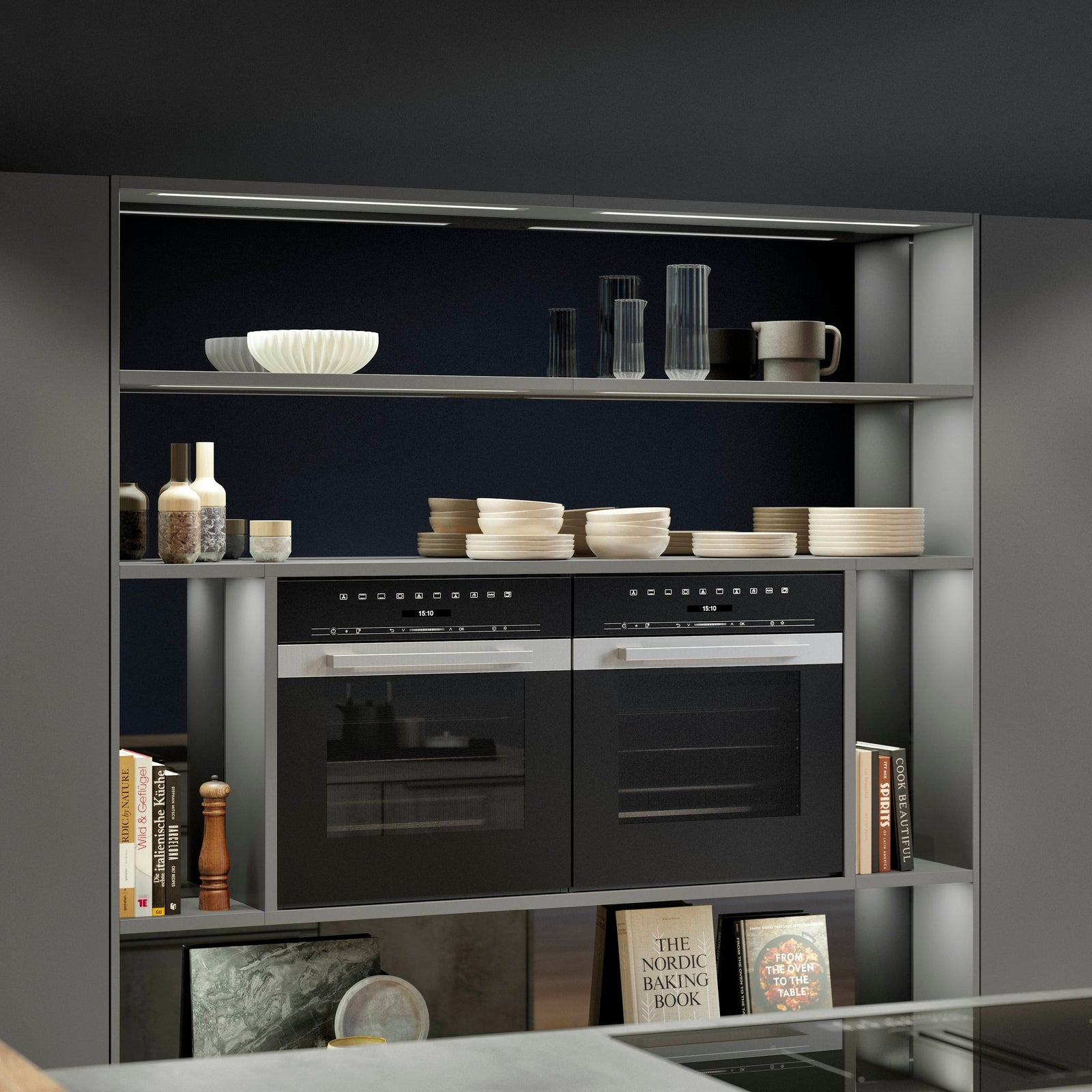

Gerätetechnische Erweiterungen im Nobilia-Portfolio 2026
Moderne Küchen verlangen einfache Wartung und vielseitige Küchengeräte. Nobilia präsentiert 2026 mit dem BORA GPNext und exklusiven Electrolux-Neuheiten technische Erweiterungen für das mittlere Segment. Diese Innovationen beschleunigen den Filterwechsel und bieten Planern eine zentrale Lösung, ein Highlight unter den Küchentrends 2026.
View full article

Effektive Raumnutzung und Beleuchtungskonzepte in der modernen Küche
Viele Küchen leiden unter ungenutztem Stauraum und fehlender Beleuchtung in der Küche. Praxisorientierte Konzepte ermöglichen optimale Raumnutzung und funktionale, stimmungsvolle Küchenbeleuchtung. Tipps reichen von deckenhohen Schränken bis zu smarten Lichtkonzepten für perfektes Licht und maximale Funktion.
View full article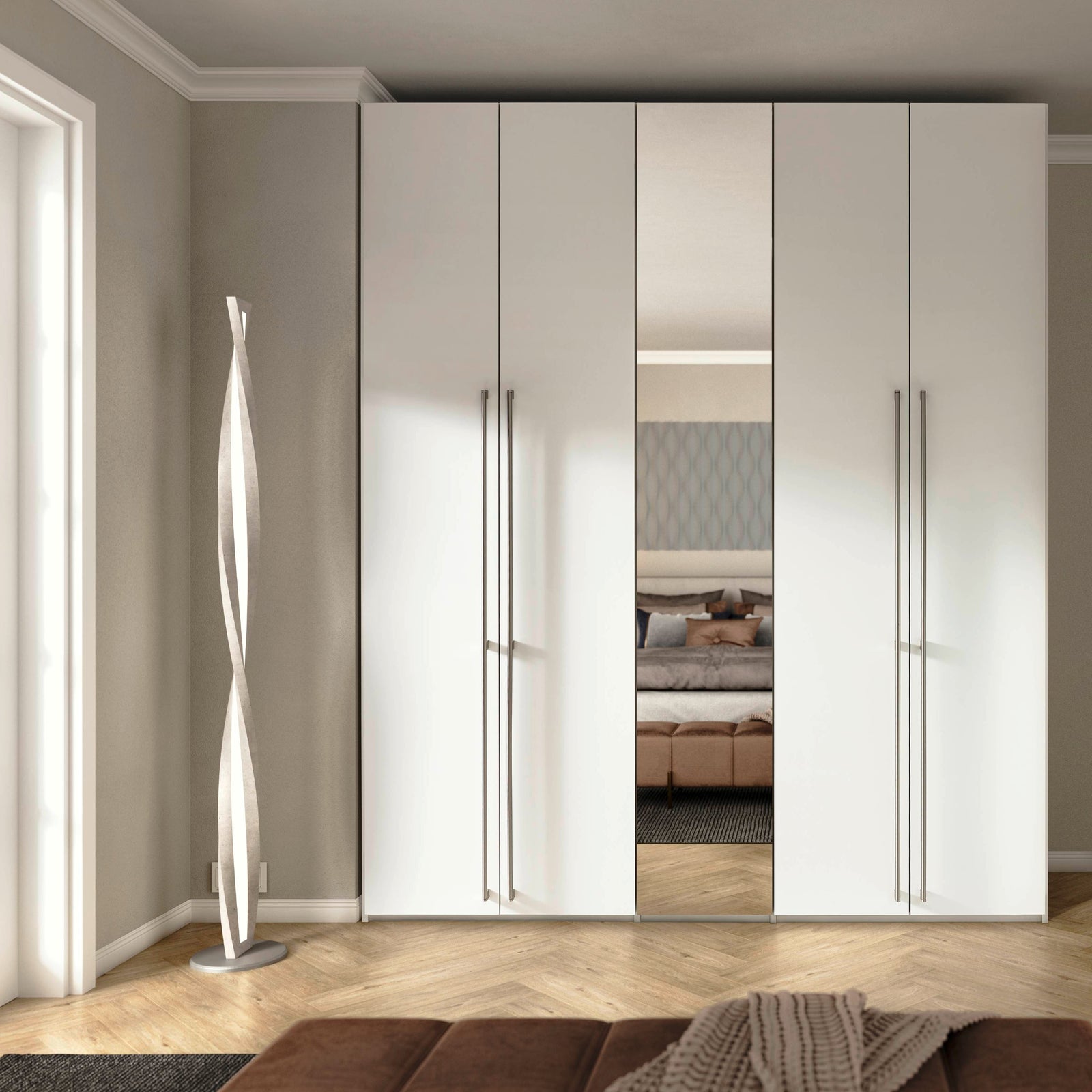

Schlafzimmerplanung mit nobilia
Viele Haushalte zwischen vierzig und sechzig stehen vor der Herausforderung, ihr Schlafzimmer funktional und stilvoll neu zu planen. nobilia erweitert seine Küchenkompetenz um ein systembasiertes Möbelprogramm mit flexiblen Kleiderschrankelementen und abgestimmten Dekoren. Modulare Schlafzimmerplanung sorgt für Langfristigkeit, Stauraumoptimierung und ein durchgängiges Möbelkonzept.
View full article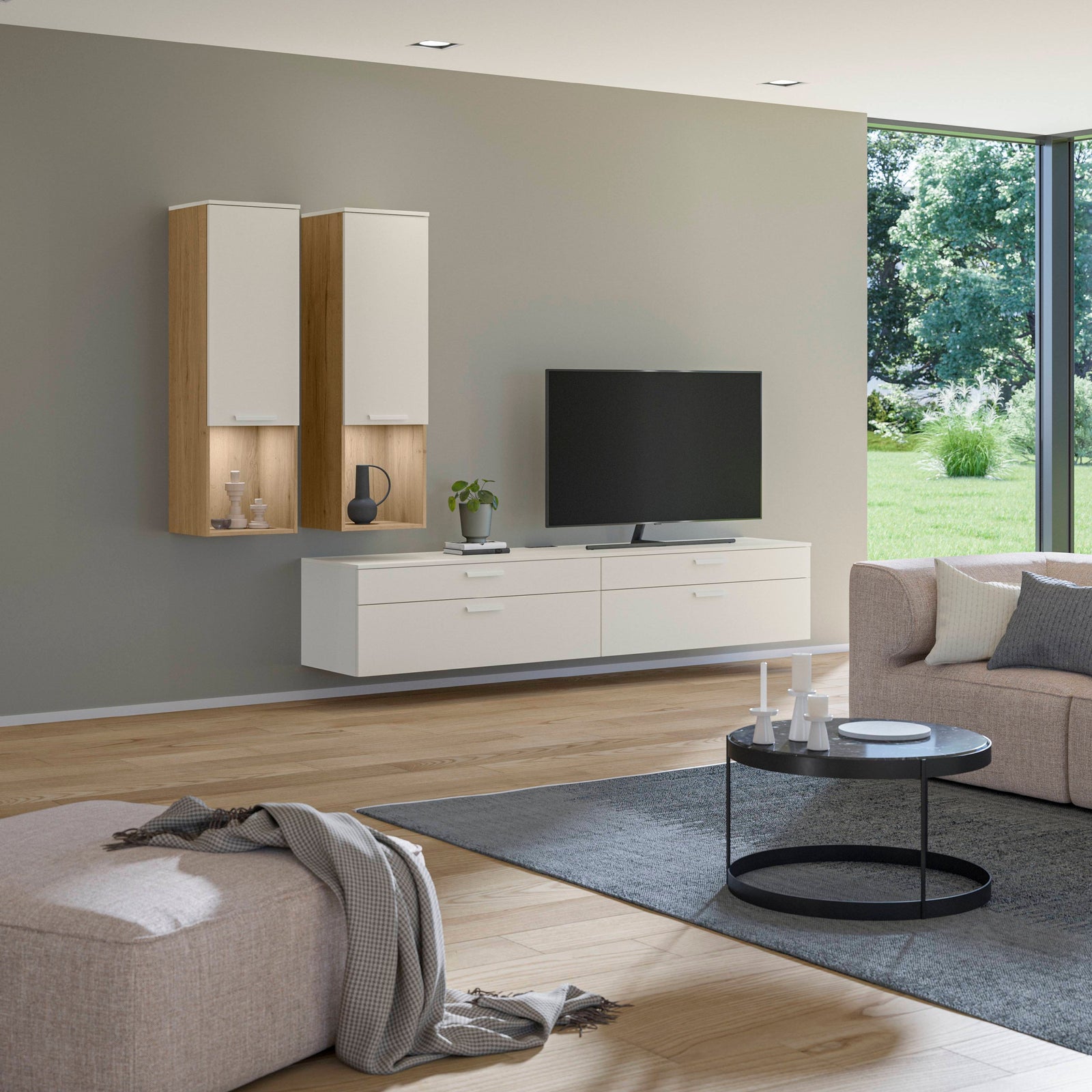

Wohnräume langfristig planen mit den nobilia Produktlinien
Langfristige Wohnraumplanung stellt viele vor unerwartete Hürden. Mit den nobilia Produktlinien profitieren Sie von durchdachten Modulkonzepten für Küchen und offene Wohnbereiche. So schaffen Sie funktionale Räume mit klarer Gestaltung und zeitloser Technikintegration.
View full article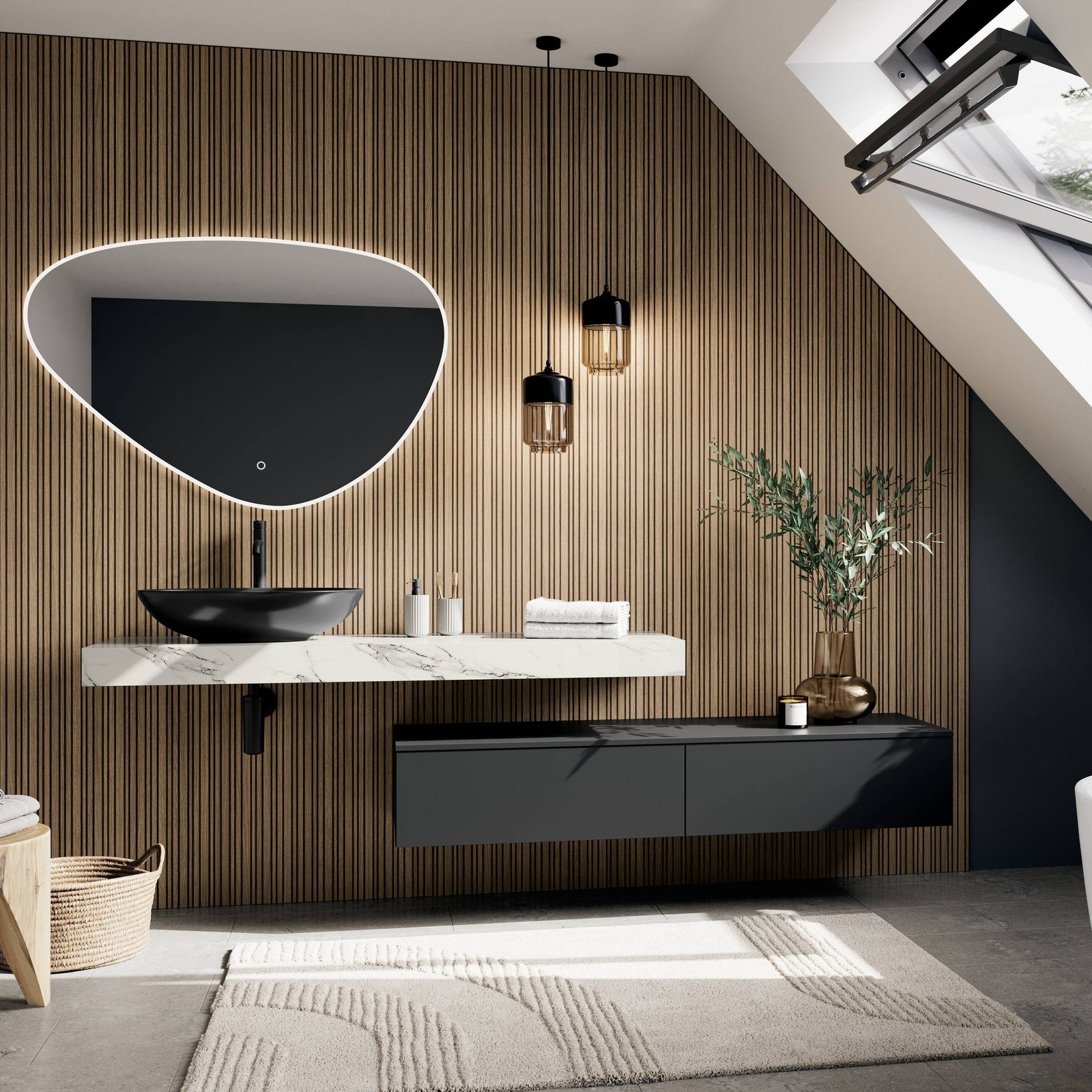

Badplanung mit Blick auf Alltag, Werterhalt und langfristige Nutzung
Viele Eigentümer suchen nach einer funktionalen Badplanung, die Werterhalt und Alltagstauglichkeit vereint. Ich bin Fachmann für nobilia Badmöbel und liefere planungssichere Konzepte, robuste Fronten und Tipps für den Online-Kauf von Badmöbeln. So entsteht ein pflegeleichtes, werterhaltendes Badezimmer für den Alltag.
View full article Sachliche Küchenplanung für erfahrene Käufer
Erfahrene Käufer wissen: Sachliche Küchenplanung spart langfristig Zeit und Kosten. Faire Angebotsküchen und gebrauchte Ausstellungsküchen im Küchenstudio bieten hohes Potenzial, wenn Sie drei zentrale Planungsprinzipien beachten. So erreichen Sie robuste Materialien, ausreichenden Stauraum und ein klares Raumkonzept.
View full article Gerätetechnische Erweiterungen im Nobilia-Portfolio 2026
Moderne Küchen verlangen einfache Wartung und vielseitige Küchengeräte. Nobilia präsentiert 2026 mit dem BORA GPNext und exklusiven Electrolux-Neuheiten technische Erweiterungen für das mittlere Segment. Diese Innovationen beschleunigen den Filterwechsel und bieten Planern eine zentrale Lösung, ein Highlight unter den Küchentrends 2026.
View full article Effektive Raumnutzung und Beleuchtungskonzepte in der modernen Küche
Viele Küchen leiden unter ungenutztem Stauraum und fehlender Beleuchtung in der Küche. Praxisorientierte Konzepte ermöglichen optimale Raumnutzung und funktionale, stimmungsvolle Küchenbeleuchtung. Tipps reichen von deckenhohen Schränken bis zu smarten Lichtkonzepten für perfektes Licht und maximale Funktion.
View full article