Your cart is empty






Küche






PROFESSIONELLER 3D NOBILIA KÜCHENPLANER - Desktop


ONLINE KITCHEN PLANNING WITH PRICES - configure today / pick up tomorrow
INTUITIVE & SCHNELLE KÜCHENPLANUNG - Auf allen Geräten







The perfect kitchen cabinet: Why pull-outs are better than doors and what quality makes
The planning of kitchen cabinets is the basis for efficient workflows, optimal space utilization, and the longevity of the entire kitchen. A careful selection of cabinet types, their mechanical components, and internal organization determines functionality and comfort for many years. This guide offers a comprehensive technical overview of the various cabinet types, their construction features, and intelligent organizational solutions to provide a well-founded decision-making basis.
1. The base cabinet: The ergonomic foundation in the kitchen
Base cabinets are the most intensively used storage component. They house heavy and frequently needed items, which is why their ergonomic design is of the highest priority. The choice between conventional doors and modern drawer systems is the most important functional decision here.

Base cabinet with doors: This traditional design is the most cost-effective option. However, in daily use, it proves to be unergonomic, as accessing the rear cabinet area requires deep bending and often removing items in front. The overview is severely limited, which restricts efficient use of storage space. Its use can still be sensible in specific situations, for example with very narrow cabinets under 30 cm wide or in the sink base cabinet, where it allows better access to the siphon and water connections.
Base cabinet with drawers: This is the ergonomically superior and now established standard solution. Instead of doors, the cabinet has several drawers. Ideally, full-extension drawers are used, which pull the entire contents out of the cabinet body. This allows a complete overview from above and comfortable access in an upright posture. A distinction is made here between shallow drawers, typically used for cutlery, and tall drawers for pots, plates, and supplies. The classic drawer is a thing of the past.
Quality features of drawer systems
The functionality of a drawer depends on its mechanics and construction.
- Load capacity: The dynamic load capacity indicates how much weight the drawer can safely carry while in motion. Common classes are 30 kg, 50 kg, and 70 kg. While a load capacity of 30 kg is sufficient for dishes and light supplies, higher classes are recommended for drawers with beverage crates or heavy cast iron cookware.
- Running smoothness and stability: High-quality guide systems, often with synchronized runners, ensure a smooth, quiet operation and high lateral stability. This prevents wide drawers from jamming or twisting when pulled out.
- Damping (Soft Close): An integrated hydraulic or pneumatic damping mechanism ensures smooth and silent closing. This not only protects the stored items but also the fittings themselves and increases the perceived quality.
- Internal organization: Flexible organizational systems within the pull-out are crucial for order and clarity. These include custom-fit cutlery inserts, adjustable dividers made of wood or metal, special holders for plates or lids, as well as integrated waste collection systems.
2. The wall cabinet: Ergonomics in the upper area for plenty of storage space
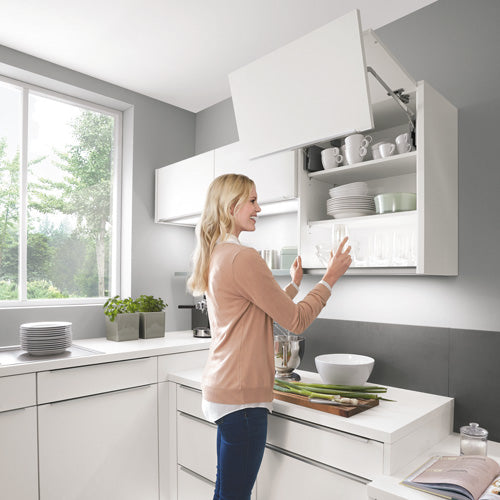
Wall cabinets or hanging cabinets primarily serve to store lighter items such as glasses and cups. Instead of the classic hinged door that opens sideways, protrudes into the room, and restricts head clearance, modern flap fittings offer significant ergonomic advantages. The front moves upwards out of the direct work area and allows safe and unrestricted access to the contents. Common variants are folding, swing, or lift flaps, each optimized for different cabinet heights and room situations.

3. Special cabinets for tall cabinets and corners
The tall cabinet: Utilizes the full room height and serves for storage or ergonomic appliance installation.
- Pull-out cabinet: A narrow tall cabinet whose entire contents slide forward on a pull-out. It offers access from both sides and very good overview. In cheaper models and with heavy loads, lateral stability may be limited.
- Pantry tall cabinet with internal pull-outs: A flexible alternative to the pull-out cabinet. Behind a large hinged door are several individually extendable internal pull-outs. The advantage is that only the required pull-out is moved, not the entire weight of the cabinet contents.
- Appliance tall cabinet: This allows the installation of an oven, steam cooker, or microwave at an ergonomically favorable access height, avoiding bending down. Correct planning of niche dimensions and necessary ventilation is crucial here.
- The corner cabinet: Various mechanical solutions have been developed for the hard-to-reach storage space in corners.

Comparison of corner cabinet solutions
| Solution type | Operating principle | Accessibility | Space utilization | Costs (relative) |
|---|---|---|---|---|
| Swing-out pull-out | Two kidney-shaped trays swing out almost completely and independently from the cabinet. | Very high (approx. 85-95%) | Good | High |
| Corner carousel | Two or three round shelves rotate around a central axis inside the cabinet. | Sufficient | Moderate (central axis obstructs) | Affordable |
| Combined pull-out | A mechanism automatically pulls the rear baskets or shelves forward when the door is opened. | High | Good to very good | Very high |
| Dead corner | The corner area is deliberately not used and closed off. | None | None | None |
Corner cabinets/dead corners represent an often underestimated but pragmatic solution. They avoid expensive and complex mechanics and instead allow for wider, better usable cabinets on the adjacent sides.
4. Carcass construction: The invisible quality of kitchen cabinets
The durability of a kitchen is determined not only by the fronts but significantly by the quality of the cabinet carcass.
- Material: The standard in furniture construction is melamine resin-coated chipboard. The density of the board and the quality of the coating are crucial for stability. Higher material density ensures better screw holding.
- Material thickness: The carcass sides usually have a thickness of 16 to 19 mm. Thicker side walls offer higher stability and a more valuable appearance.
- Back panel: The stability of the entire cabinet depends heavily on the back panel. A thin hardboard panel that is only inserted offers little stability. A screwed, thicker back panel (e.g., 5-8 mm) significantly contributes to the torsional stiffness of the carcass.
- Edge bonding: The edges of the chipboards must be sealed to prevent moisture penetration. High-quality kitchens often use bonding with polyurethane (PU) adhesive, which has higher water resistance than conventional hot-melt adhesive.
5. Conclusion and key questions for your kitchen planning
The choice of cabinet types is an investment in the long-term functionality of your kitchen. Thoughtful kitchen planning pays off over the entire lifespan through increased comfort and high user satisfaction. The following questions can help with the decision:
- Workflows: Which items do I need most frequently and where should they be placed for efficient workflow?
- Ergonomics: How important is it to avoid bending and stretching? This prioritizes the consistent use of full-extension drawers and highly installed appliances.
- Budget: Is the comfort gain of a complex corner cabinet solution worth the significant extra cost, or is a pragmatic solution like the "dead corner" more sensible to use the budget for higher-quality pull-outs elsewhere?
- Storage goods: What exactly is to be stored? The weight and size of the storage goods determine the requirements for the load capacity of the pull-outs and the type of interior organization.
View full article

Sachliche Küchenplanung für erfahrene Käufer
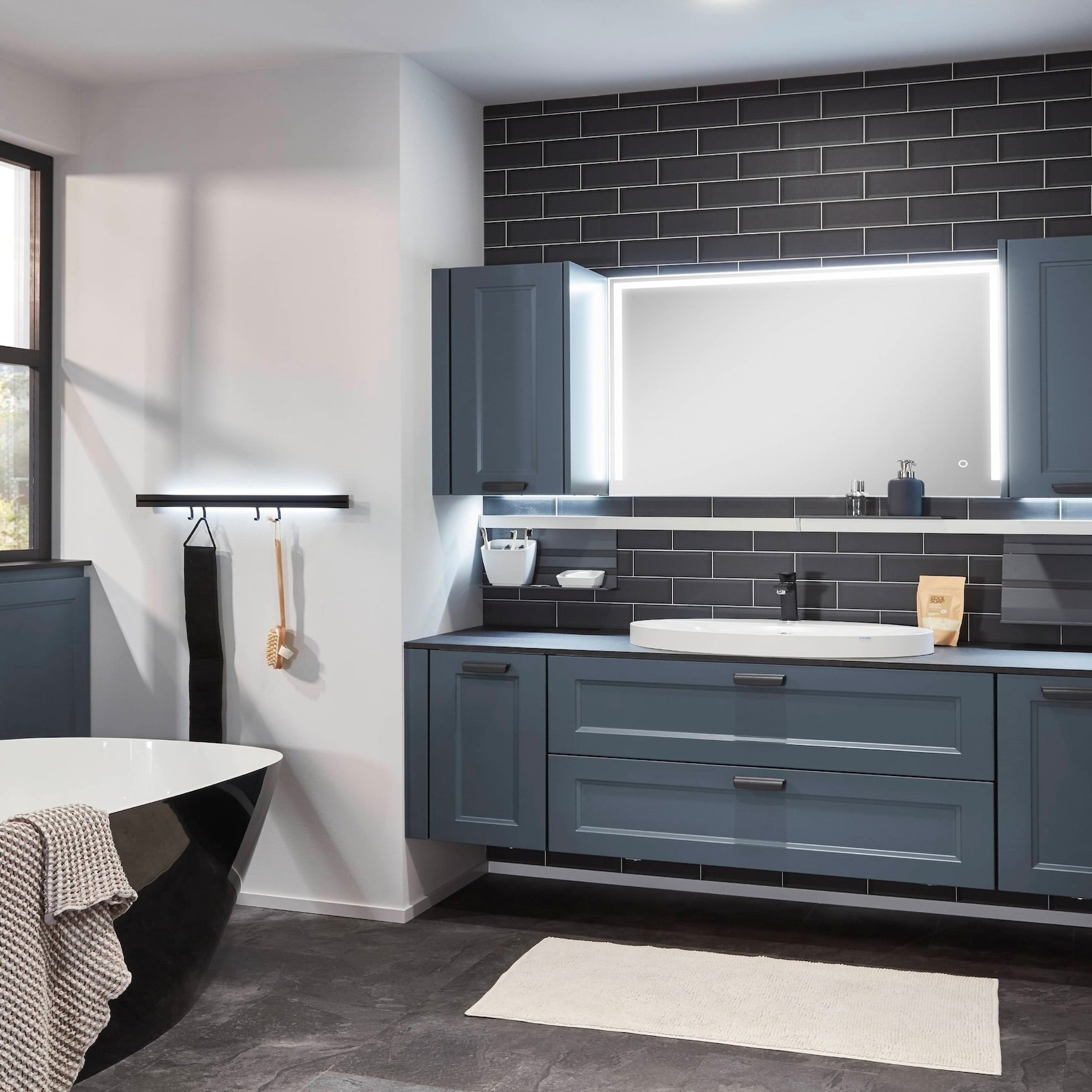
Erfahrene Käufer wissen: Sachliche Küchenplanung spart langfristig Zeit und Kosten. Faire Angebotsküchen und gebrauchte Ausstellungsküchen im Küchenstudio bieten hohes Potenzial, wenn Sie drei zentrale Planungsprinzipien beachten. So erreichen Sie robuste Materialien, ausreichenden Stauraum und ein klares Raumkonzept.
View full article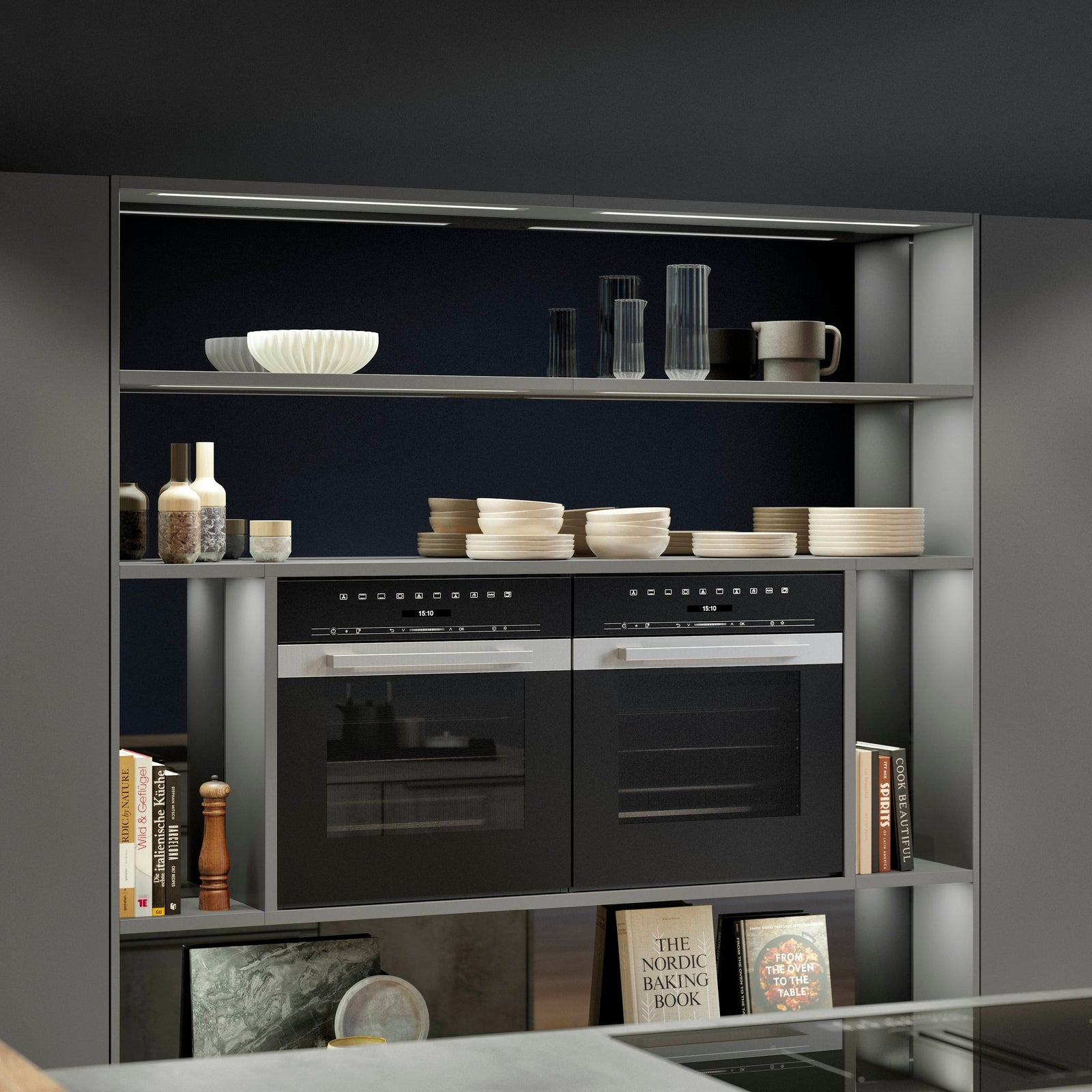

Gerätetechnische Erweiterungen im Nobilia-Portfolio 2026
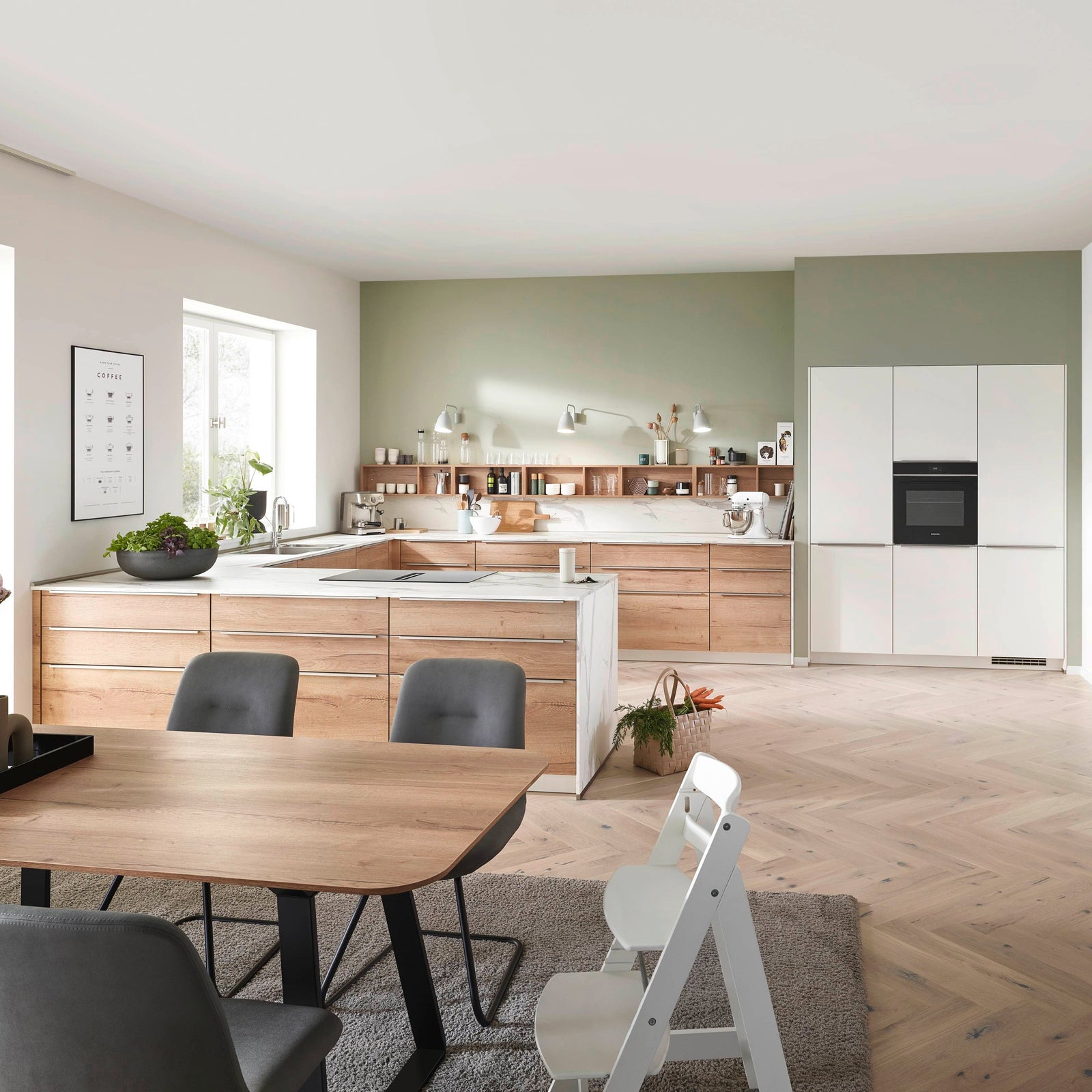
Moderne Küchen verlangen einfache Wartung und vielseitige Küchengeräte. Nobilia präsentiert 2026 mit dem BORA GPNext und exklusiven Electrolux-Neuheiten technische Erweiterungen für das mittlere Segment. Diese Innovationen beschleunigen den Filterwechsel und bieten Planern eine zentrale Lösung, ein Highlight unter den Küchentrends 2026.
View full article

Effektive Raumnutzung und Beleuchtungskonzepte in der modernen Küche
Viele Küchen leiden unter ungenutztem Stauraum und fehlender Beleuchtung in der Küche. Praxisorientierte Konzepte ermöglichen optimale Raumnutzung und funktionale, stimmungsvolle Küchenbeleuchtung. Tipps reichen von deckenhohen Schränken bis zu smarten Lichtkonzepten für perfektes Licht und maximale Funktion.
View full article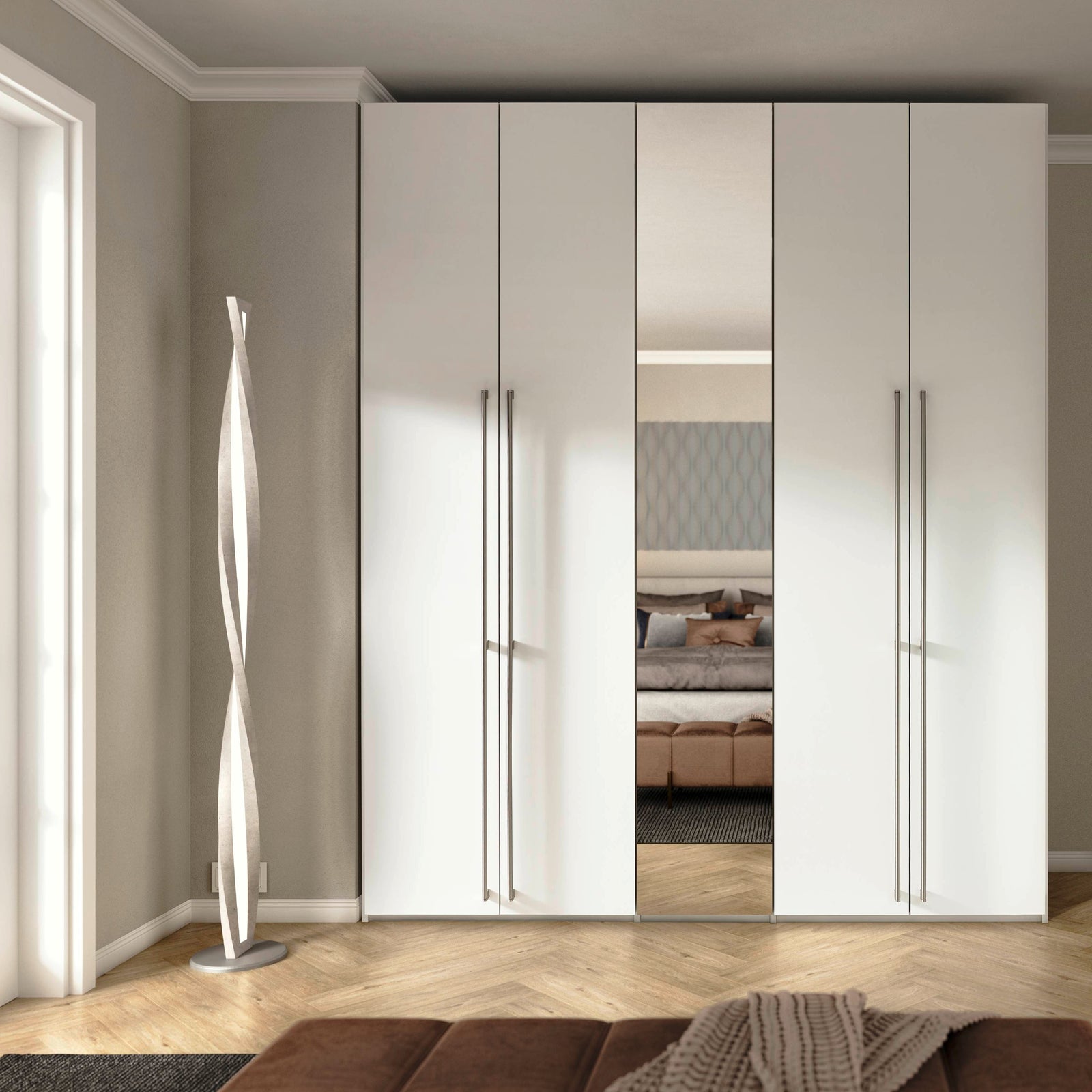

Schlafzimmerplanung mit nobilia
Viele Haushalte zwischen vierzig und sechzig stehen vor der Herausforderung, ihr Schlafzimmer funktional und stilvoll neu zu planen. nobilia erweitert seine Küchenkompetenz um ein systembasiertes Möbelprogramm mit flexiblen Kleiderschrankelementen und abgestimmten Dekoren. Modulare Schlafzimmerplanung sorgt für Langfristigkeit, Stauraumoptimierung und ein durchgängiges Möbelkonzept.
View full article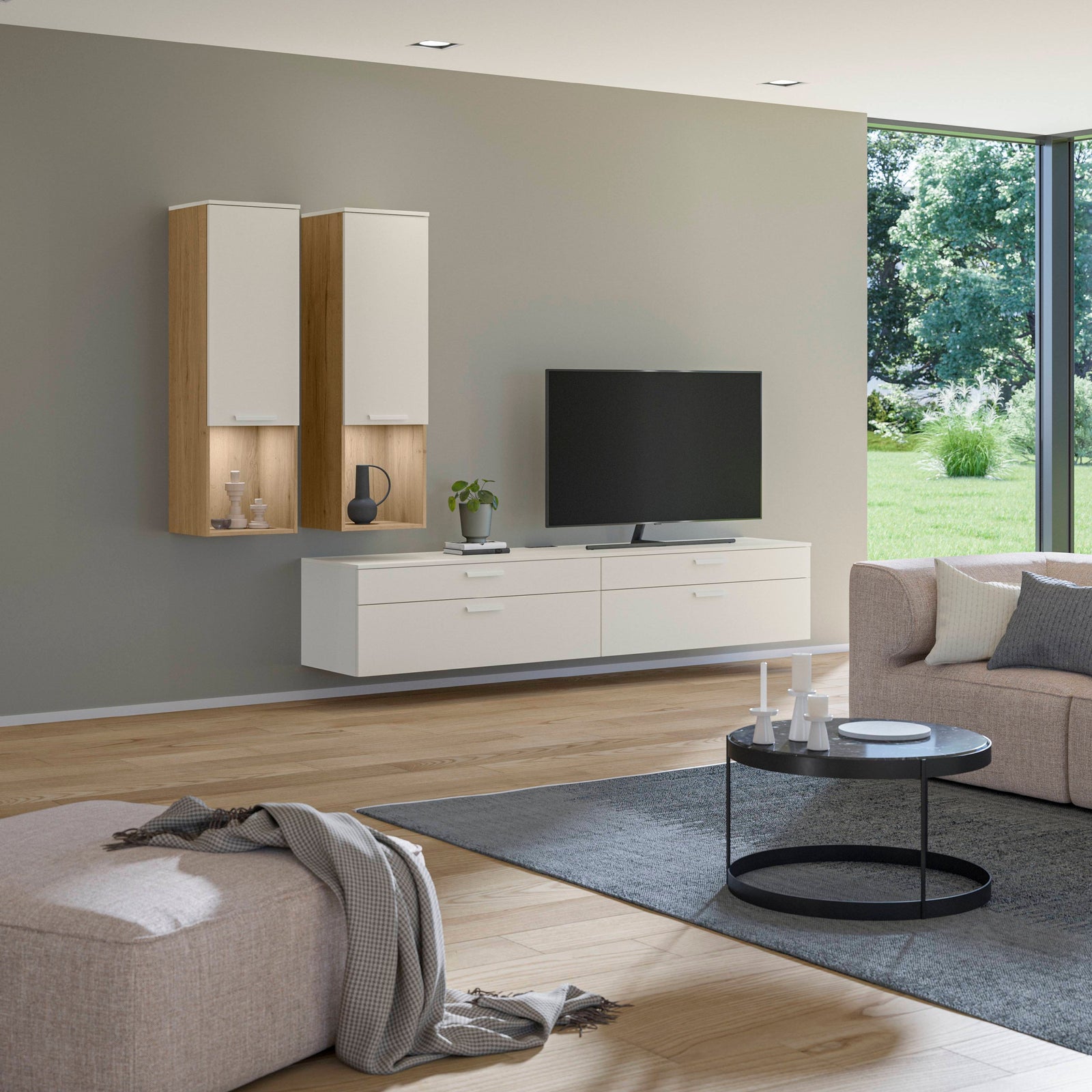

Wohnräume langfristig planen mit den nobilia Produktlinien
Langfristige Wohnraumplanung stellt viele vor unerwartete Hürden. Mit den nobilia Produktlinien profitieren Sie von durchdachten Modulkonzepten für Küchen und offene Wohnbereiche. So schaffen Sie funktionale Räume mit klarer Gestaltung und zeitloser Technikintegration.
View full article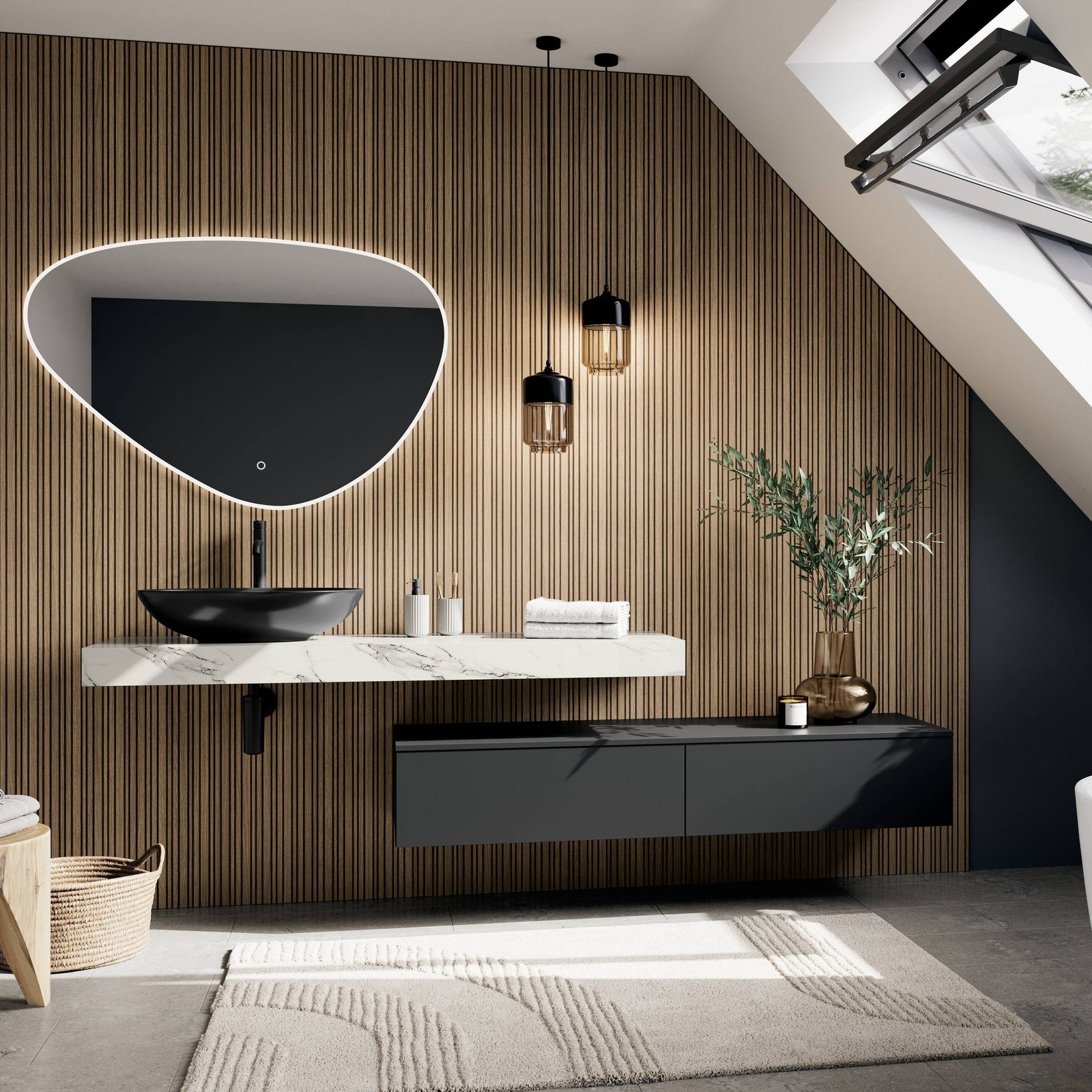

Badplanung mit Blick auf Alltag, Werterhalt und langfristige Nutzung
Viele Eigentümer suchen nach einer funktionalen Badplanung, die Werterhalt und Alltagstauglichkeit vereint. Ich bin Fachmann für nobilia Badmöbel und liefere planungssichere Konzepte, robuste Fronten und Tipps für den Online-Kauf von Badmöbeln. So entsteht ein pflegeleichtes, werterhaltendes Badezimmer für den Alltag.
View full article Sachliche Küchenplanung für erfahrene Käufer
Erfahrene Käufer wissen: Sachliche Küchenplanung spart langfristig Zeit und Kosten. Faire Angebotsküchen und gebrauchte Ausstellungsküchen im Küchenstudio bieten hohes Potenzial, wenn Sie drei zentrale Planungsprinzipien beachten. So erreichen Sie robuste Materialien, ausreichenden Stauraum und ein klares Raumkonzept.
View full article Gerätetechnische Erweiterungen im Nobilia-Portfolio 2026
Moderne Küchen verlangen einfache Wartung und vielseitige Küchengeräte. Nobilia präsentiert 2026 mit dem BORA GPNext und exklusiven Electrolux-Neuheiten technische Erweiterungen für das mittlere Segment. Diese Innovationen beschleunigen den Filterwechsel und bieten Planern eine zentrale Lösung, ein Highlight unter den Küchentrends 2026.
View full article Effektive Raumnutzung und Beleuchtungskonzepte in der modernen Küche
Viele Küchen leiden unter ungenutztem Stauraum und fehlender Beleuchtung in der Küche. Praxisorientierte Konzepte ermöglichen optimale Raumnutzung und funktionale, stimmungsvolle Küchenbeleuchtung. Tipps reichen von deckenhohen Schränken bis zu smarten Lichtkonzepten für perfektes Licht und maximale Funktion.
View full article