Your cart is empty







Küche





3D ONLINE KÜCHENPLANER





The smart kitchen: Which connected devices are really worth it
The digitization and networking of household appliances, often summarized under the term "Smart Kitchen" or smart kitchen, offer new possibilities in kitchen use. Modern systems can be divided into two core areas that provide different functions:
- Autonomous sensor systems: These operate largely invisibly in the background to control cooking and baking processes and improve the quality of results.
- App-based networking: This offers extended control, monitoring, and service functions for, for example, dishwashers for more comfort and flexibility.
This guide analyzes the potential of these developments and highlights both the advantages and important critical aspects for consumers.

1. Autonomous sensor systems for process optimization in the smart kitchen
A significant advancement lies in the integration of sensors that automatically monitor and control cooking processes. These systems aim to reduce human uncertainties in preparation and enable consistent results without requiring interaction with an app.
Moisture sensors in the oven: These sensors continuously measure the moisture content in the cooking chamber. Based on this data, the system detects the progress of the baking process, for example, with a cake. Heating type, temperature, and baking time can be automatically adjusted. The need for manual cooking tests can thus be eliminated.
Multipoint roasting thermometer: Unlike conventional roasting thermometers that measure at only one point, these sensors record the core temperature at several measuring points. This allows a more precise recording of the core temperature, which is especially advantageous for large or irregularly shaped roast pieces to achieve the desired degree of doneness.
Temperature sensors for cooking pots: A sensor attached to the cooking pot continuously measures the temperature inside the pot and communicates with the cooktop. The cooktop then automatically regulates the energy supply to maintain the preset temperature constantly. This is intended to prevent liquids from boiling over.
Integrated roasting sensors in the cooktop: A sensor integrated directly into the cooktop monitors the temperature of the pan. The user selects a temperature level, and the cooktop maintains it constantly. This can be helpful when preparing foods that require precise temperature control, such as steaks or pancakes.
Air quality sensors in range hoods: This sensor measures the density of cooking fumes in the air. Based on this data, the range hood automatically adjusts its power level. Manual control is no longer necessary. After the cooking process is finished, the system can activate a post-run mode and then switch off independently.
2. App-based networking: Comfort and remote control of kitchen appliances
The networking of devices via a central smartphone application enables remote control and offers a range of service functions.
- Remote control and status monitoring: Devices can be activated remotely, for example, preheating the oven. The app also provides real-time information about the device status and sends notifications when a program is finished or in critical conditions such as an open refrigerator door.
- Integrated cameras in cooling devices: Allow the user to view the contents of the refrigerator remotely to simplify shopping planning.
- Intelligent program assistance: For complex devices, assistants in the app can help. Based on information about the type of dishes and degree of soiling, the optimal washing program can be recommended, for example.
- Integrated recipe functions: Recipe databases can directly send the appropriate device settings to the oven, simplifying preparation.
- Remote diagnosis by customer service: In case of a malfunction, the user can allow customer service temporary access to diagnostic data. Problems can often be identified remotely, saving time and costs.
3. Device communication and system integration in the kitchen
Functionality is expanded when devices communicate directly with each other or are integrated into overarching systems. An example is the coupling of cooktop and range hood, which automatically synchronize their performance. Open platforms also enable integration into smart home systems or the creation of individual automation rules via web-based services.
4. What you should consider before buying
Despite the undeniable comfort gains, the potential disadvantages and risks should also be critically weighed before purchasing smart kitchen appliances.
- Costs: Devices with advanced sensors and networking functions are significantly more expensive to purchase than their non-networked counterparts.
- Durability and digital obsolescence: The mechanical lifespan of a household appliance is often 15 years or more. The life cycles of software and apps are significantly shorter. There is a risk that the manufacturer will discontinue support for the app after a few years, no longer provide security updates, or shut down the servers. The smart functions could thus become unusable long before the device is mechanically defective.
- Data protection and privacy: Networked devices continuously collect usage data. Consumers should find out which data is collected (e.g., cooking habits, operating times), where it is stored (manufacturer servers), and for what purpose it is used. Insufficient security can pose a risk to privacy.
- Reliability and repairability: Additional electronics, sensors, and software increase complexity and create more potential sources of error. A stable WLAN connection is a basic requirement for many functions. Repairs to smart electronics can be more complex and costly than with conventional devices.
Conclusion: A conscious decision for or against networking in your kitchen
Modern kitchen technology can simplify everyday life through targeted automation and remote control and improve the quality of cooking results. The greatest benefit often lies in autonomous sensor systems that also work reliably without networking. However, the decision for or against a fully networked kitchen should be made consciously. Consumers should carefully weigh the practical advantages against the higher costs, the unresolved digital durability, and concerns about data protection. An intelligent kitchen is ultimately one that meets individual needs and where the advantages clearly outweigh the potential risks.
View full article
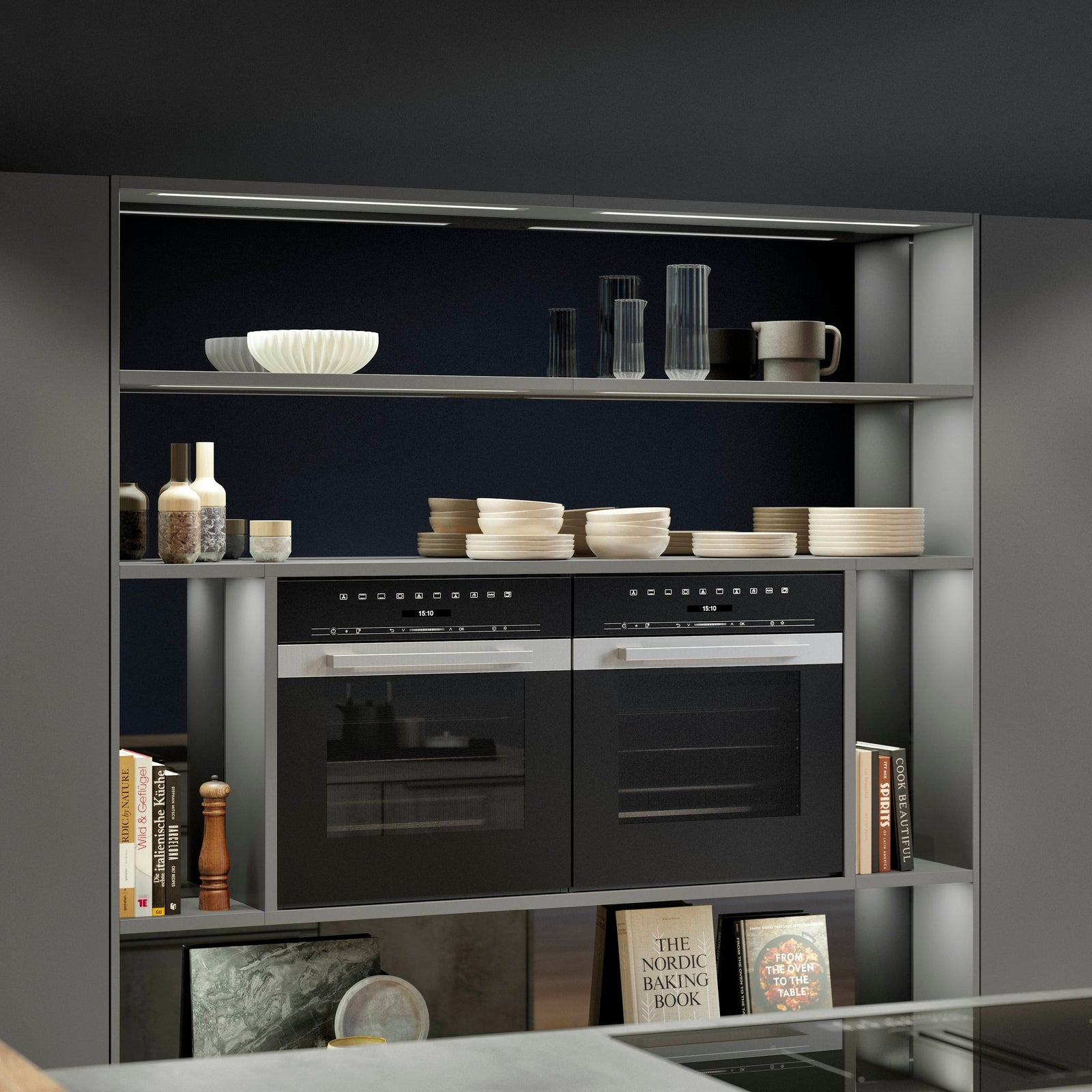

Gerätetechnische Erweiterungen im Nobilia-Portfolio 2026
Moderne Küchen verlangen einfache Wartung und vielseitige Küchengeräte. Nobilia präsentiert 2026 mit dem BORA GPNext und exklusiven Electrolux-Neuheiten technische Erweiterungen für das mittlere Segment. Diese Innovationen beschleunigen den Filterwechsel und bieten Planern eine zentrale Lösung, ein Highlight unter den Küchentrends 2026.
View full article

Effektive Raumnutzung und Beleuchtungskonzepte in der modernen Küche
Viele Küchen leiden unter ungenutztem Stauraum und fehlender Beleuchtung in der Küche. Praxisorientierte Konzepte ermöglichen optimale Raumnutzung und funktionale, stimmungsvolle Küchenbeleuchtung. Tipps reichen von deckenhohen Schränken bis zu smarten Lichtkonzepten für perfektes Licht und maximale Funktion.
View full article

Farbtrends in der Küche: So schaffen Sie Ruhe und Natürlichkeit
Sterile Küchen wirken unpersönlich und kalt. Sanfte Erdtöne als Wandfarbe in der Küche schaffen eine warme, natürliche Atmosphäre. Küchentrends 2025 zeigen, wie Sie Ruhe und Geborgenheit erreichen.
View full article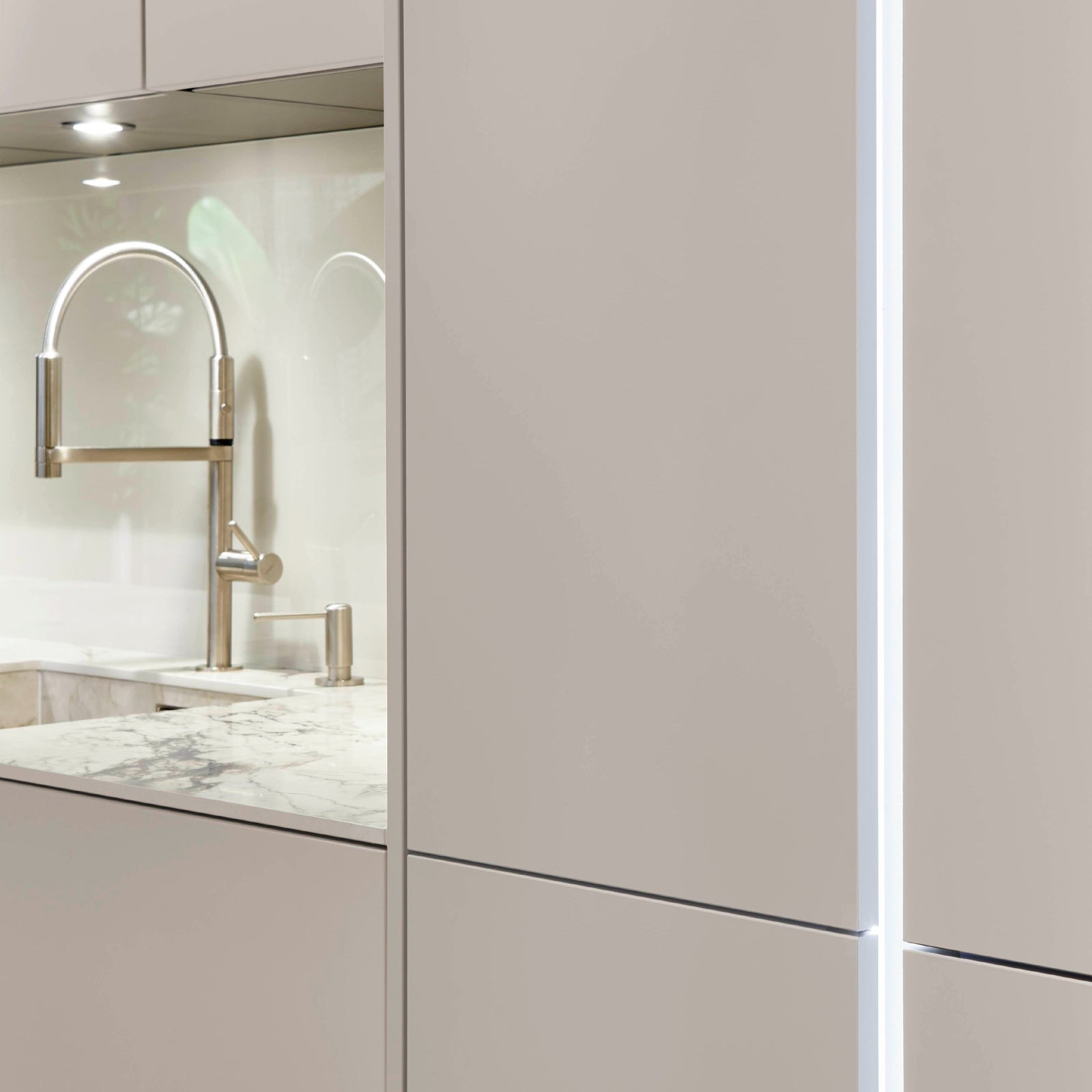

Kunststoffoberflächen reinigen und pflegen
Falsche Reinigungsmittel schaden Kunststoffoberflächen und lassen Küchenfronten schnell matt erscheinen. Mit erprobten Profi-Tipps zur richtigen, streifenfreien Reinigung und Pflege bewahren Sie Glanz und Werterhalt. So profitieren Arbeitsplatten, Schränke und Fronten von langfristiger Funktion und perfektem Erscheinungsbild bei minimalem Aufwand.
View full article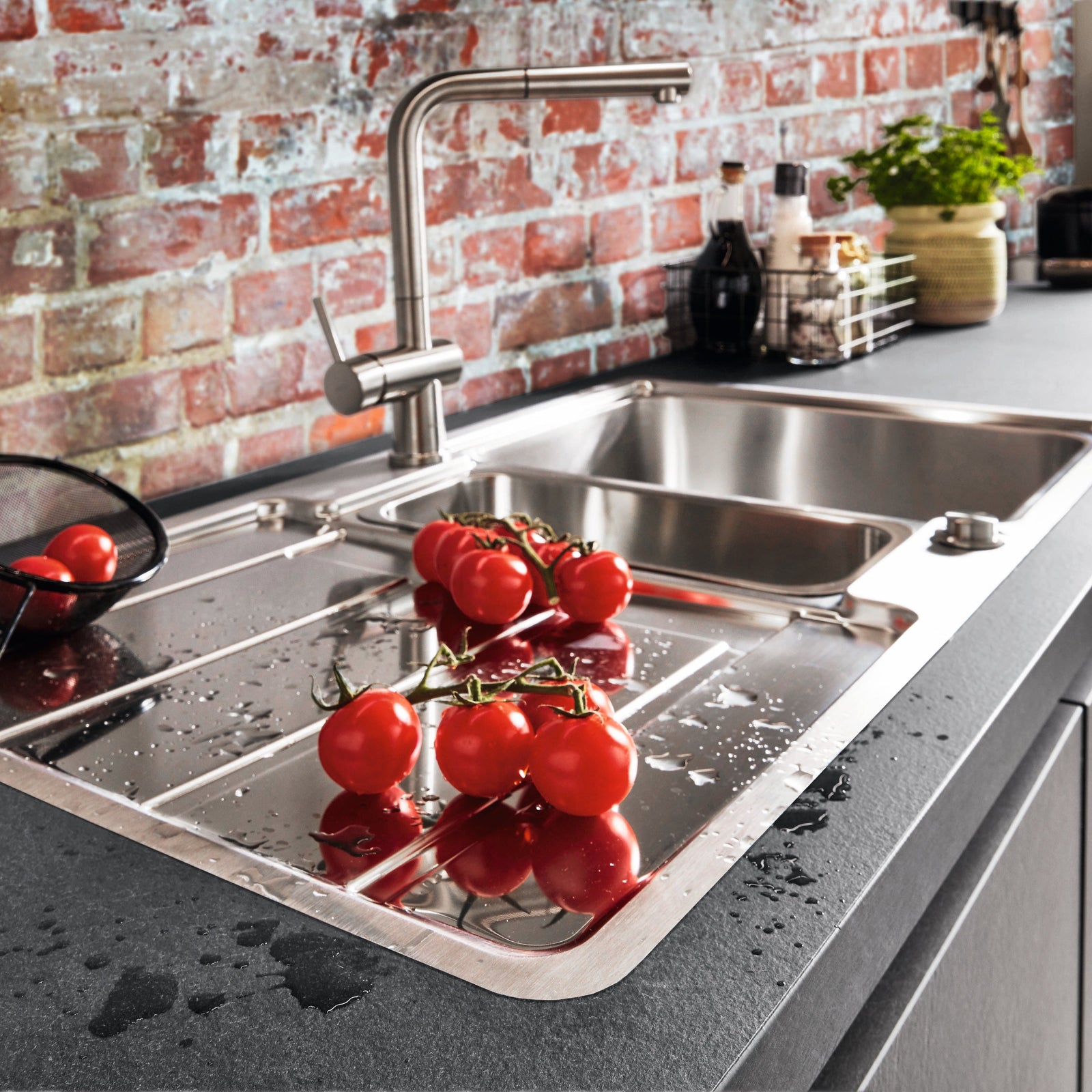

Aluminium und Edelstahl reinigen und pflegen
Verkratztes Aluminium und matte Edelstahlflächen mindern Funktion und Optik in Ihrer Küche. Mit langjähriger Erfahrung im Küchen- und Möbelbau liefere ich klare Anleitungen zum Aluminium richtig reinigen und Edelstahl richtig pflegen. So erhalten Sie hygienische Oberflächen, vermeiden Kratzer und bewahren den Wert Ihrer Küchenelemente.
View full article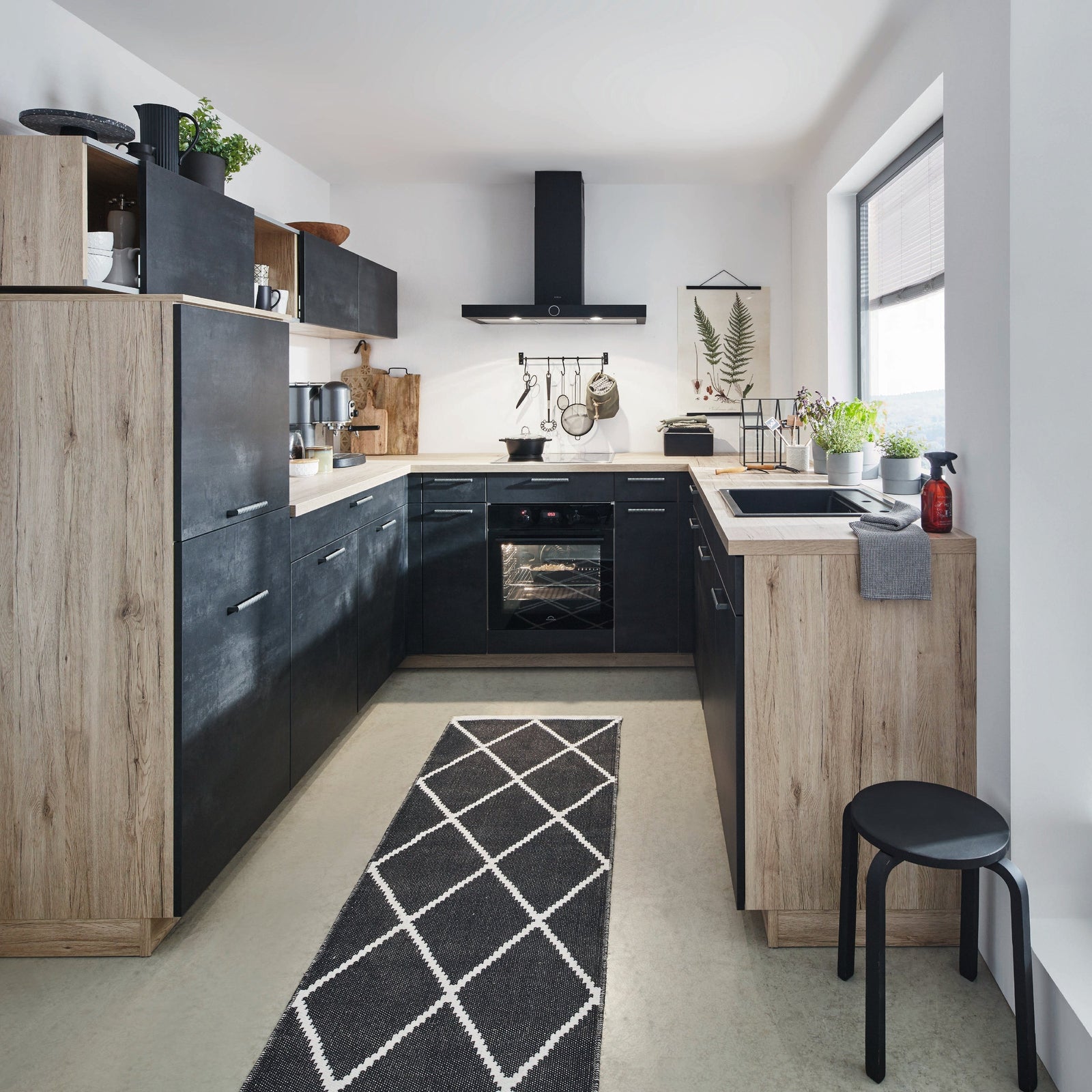

Beschichtete und natürliche Metalle in Küche und Wohnraum
Metalloberflächen in Küche und Wohnraum sind oft schwer richtig zu reinigen und zu pflegen. Bewährte Methoden aus der Küchenpraxis zeigen, wie beschichtete und natürliche Metalle schonend gereinigt und dauerhaft geschützt werden. So bleiben Edelstahl, Messing und Aluminium langfristig glänzend und kratzfrei.
View full article Gerätetechnische Erweiterungen im Nobilia-Portfolio 2026
Moderne Küchen verlangen einfache Wartung und vielseitige Küchengeräte. Nobilia präsentiert 2026 mit dem BORA GPNext und exklusiven Electrolux-Neuheiten technische Erweiterungen für das mittlere Segment. Diese Innovationen beschleunigen den Filterwechsel und bieten Planern eine zentrale Lösung, ein Highlight unter den Küchentrends 2026.
View full article Effektive Raumnutzung und Beleuchtungskonzepte in der modernen Küche
Viele Küchen leiden unter ungenutztem Stauraum und fehlender Beleuchtung in der Küche. Praxisorientierte Konzepte ermöglichen optimale Raumnutzung und funktionale, stimmungsvolle Küchenbeleuchtung. Tipps reichen von deckenhohen Schränken bis zu smarten Lichtkonzepten für perfektes Licht und maximale Funktion.
View full article Farbtrends in der Küche: So schaffen Sie Ruhe und Natürlichkeit
Sterile Küchen wirken unpersönlich und kalt. Sanfte Erdtöne als Wandfarbe in der Küche schaffen eine warme, natürliche Atmosphäre. Küchentrends 2025 zeigen, wie Sie Ruhe und Geborgenheit erreichen.
View full article