Your cart is empty






Küche





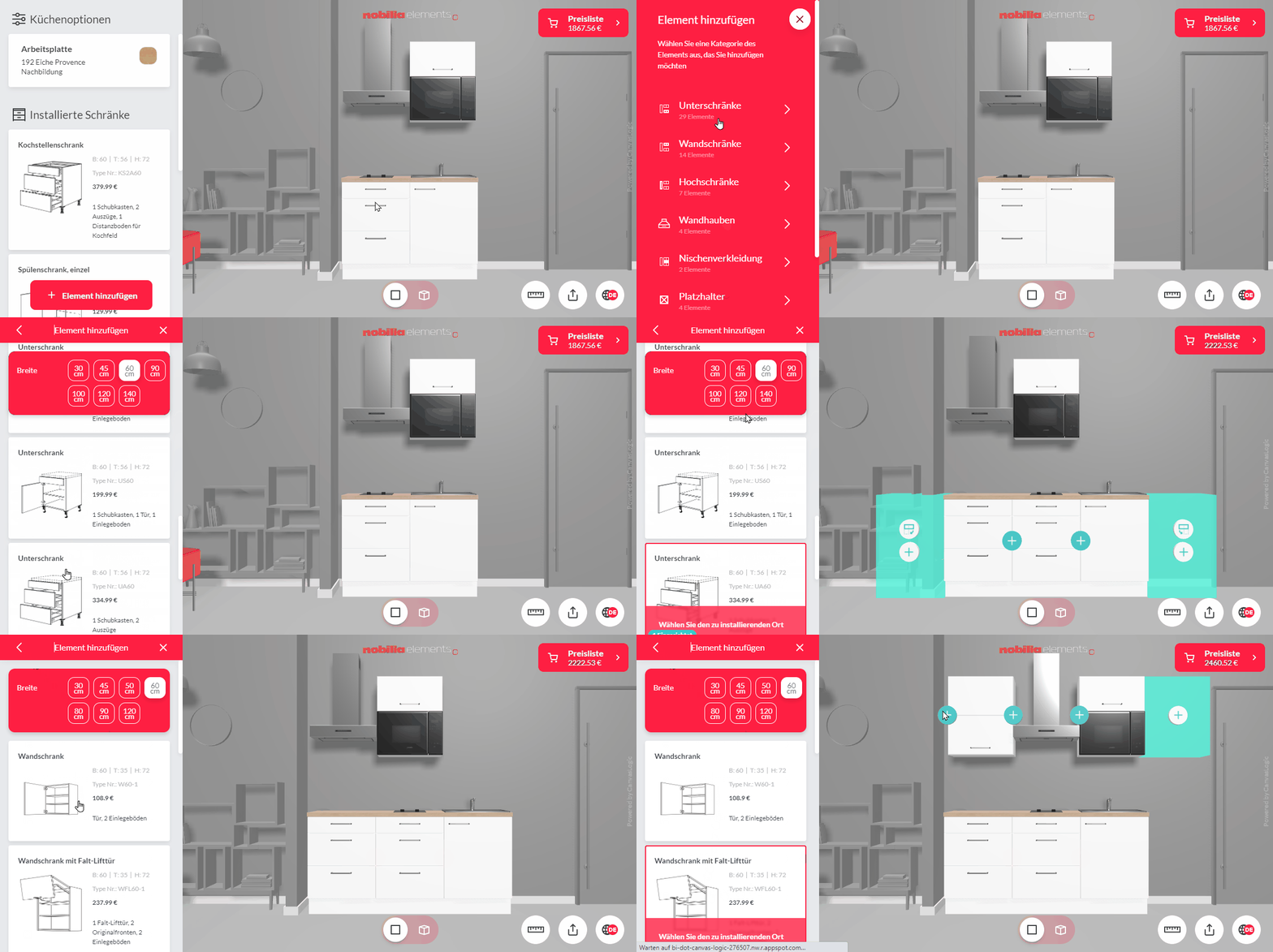
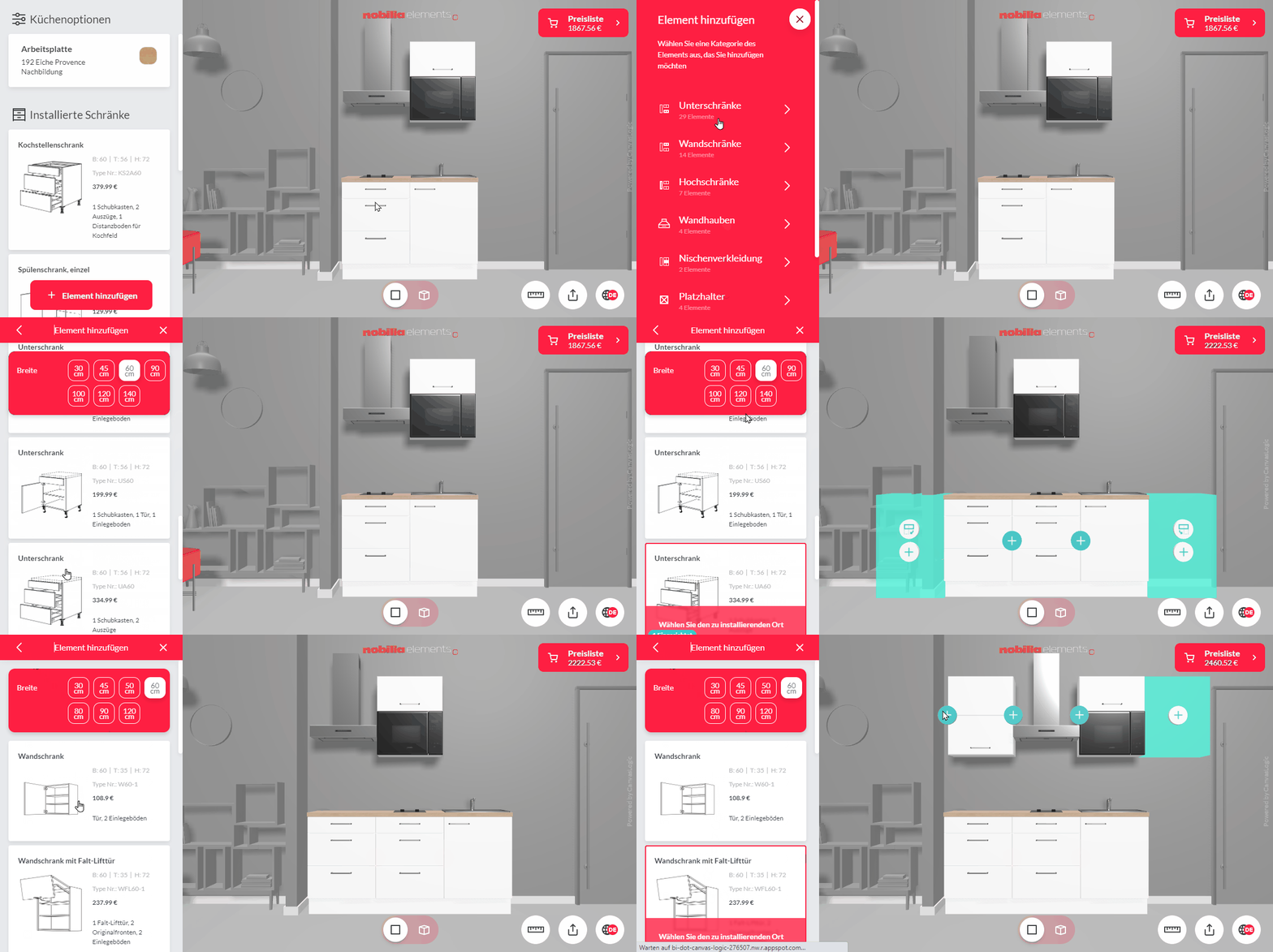
3D ONLINE KÜCHENPLANER






So that nothing wobbles: The ultimate quality check for your new kitchen cabinets
The durability, stability, and daily usability comfort of a kitchen are significantly determined by the constructive quality of its components. Many of these crucial features are no longer visible after assembly. A well-informed purchasing decision therefore requires an understanding of the technical differences in the construction of cabinet carcasses and pull-out systems. This guide analyzes the two central but often overlooked components that make a solidly manufactured kitchen.

1. The Carcass: Features for Stability and Durability of Your Kitchen
The carcass is the actual cabinet body and forms the foundation for the entire kitchen. The following details are indicators of high-quality construction.
Material Thickness: The thickness of the side walls and bottoms of kitchen cabinets is often 16 mm in the industry standard. Some manufacturers in the mid-range and premium segment use 18 or 19 mm thick panels as standard, especially for the construction bottoms (top and bottom panels). This difference affects stability. Thicker bottoms have higher bending strength, which counteracts sagging under the load of heavy dishes. They also provide a more solid base in which hinges and pull-out rails can be anchored more durably.
The Back Panel: The construction of the cabinet back panel is an essential feature for the stability of the entire carcass. In cheaper kitchens, often only a thin, 3 mm thick hardboard panel is slid into a milled groove on the back. This construction offers only low stability against lateral forces (shear forces). A higher quality standard is a solid, 5 to 8 mm thick back panel that is not only recessed into a groove but also firmly screwed to the carcass sides. This detail gives the cabinet significantly higher angular stability (diagonal rigidity). It prevents the carcass from warping or becoming wobbly over the years.
Edge Gluing: The cut edges of the chipboard panels are the most sensitive spots of a kitchen furniture piece against moisture. If water vapor or splash water penetrates here, the panels swell, and the damage is irreparable. The quality of the edge sealing is therefore crucial.
- Gluing with PUR Adhesive (Polyurethane): Unlike conventional EVA hot melt adhesive, PUR adhesive is water- and heat-resistant after curing. It forms an extremely dense and durable joint between edge and panel.
- Laser Edging: An alternative process in which the edge is fused with the panel by a laser beam. This creates a so-called zero joint, which is also very moisture-resistant. A high-quality edge sealing is the most important protection of the kitchen in the area of sink, dishwasher, and cooktop.
- The Interior Equipment: Another quality feature is the design of the carcass interior. In many kitchens, the carcass interior is standard white or gray, regardless of the external design. Higher-quality manufacturers offer, for an additional charge, the option to produce the inside of the carcass in exactly the same decor as the outside. This creates a continuous, harmonious overall appearance, which is especially effective in display cabinets or open shelves.
- The Plinth: The kitchen's base to the floor should be equipped with a sealing profile at the bottom edge. This rubber lip seals with the floor and prevents dust, dirt, or mop water from getting under the kitchen unit. This facilitates cleaning and protects the plinth feet and the carcass from moisture from below.
2. The Pull-Out System of the Kitchen Carcass: Mechanics and Organization
In the modern kitchen, the full extension has largely replaced the unergonomic door in the base cabinet. The quality of a pull-out system is reflected in the mechanics, construction, and possibilities for interior organization. The development and manufacture of these systems are often carried out by specialized fitting manufacturers, whose products are installed by many different kitchen brands.
The Pull-Out System: Construction and Technology
- Design of the Side Panels: The side walls of the pull-out, the side panels, are an indicator of the system's modernity. Current systems are characterized by very narrow side panels, often only 11 to 14 mm thick, and vertical on both inside and outside. This puristic design is not only aesthetic but also maximizes the usable interior space compared to older systems with wide, slanted side panels.
-
Guidance System and Damping: A precise guidance system with synchronized runners guarantees a smooth, quiet, and stable operation, even with a high load of up to 70 kg. Integrated damping (soft close), which gently and quietly pulls the pull-out in over the last centimeters, is now a standard feature for every quality kitchen.
The Interior Organization: The efficiency of a pull-out system depends on its ability to create order. It should be understood as a modular organization system.
- Cutlery Inserts: Precisely fitting inserts for cutlery and cooking utensils are the basis.
- Flexible Partition Systems: Adjustable longitudinal and cross dividers, magnetic mats, or flexible rails allow individual structuring of storage space for pots, storage containers, or dishes and prevent slipping.
- Materials: The inserts are available in various materials, from easy-care plastic to metal to high-quality woods.

3. Conclusion: A Checklist for Kitchen Purchase
The durable quality of a kitchen is determined by these "invisible" components. When planning a new kitchen, you should specifically ask your planner about these details to objectively compare the quality of different offers.
Checklist for Carcass Quality:
- Material Thickness: Ask about the thickness of the bottoms and sides (standard 16 mm, higher quality 18/19 mm).
- Back Panel: Check in the display model whether the back panel is strong (at least 5 mm) and whether it is firmly screwed.
- Edges: Inquire about the type of gluing (ideally PUR or laser).
- Plinth: Is a sealing profile present on the plinth?
Checklist for the Pull-Out System:
- Running Smoothness: Test a fully loaded pull-out. Does it run smoothly and stably?
- Side Panels: How narrow are the side walls? Compare the usable interior space.
- Interior Organization: What options for individual division does the system offer?
An informed decision about these constructive details is the difference between buying a kitchen that only looks good for a few years and investing in a kitchen that remains functional and stable for decades.
View full article
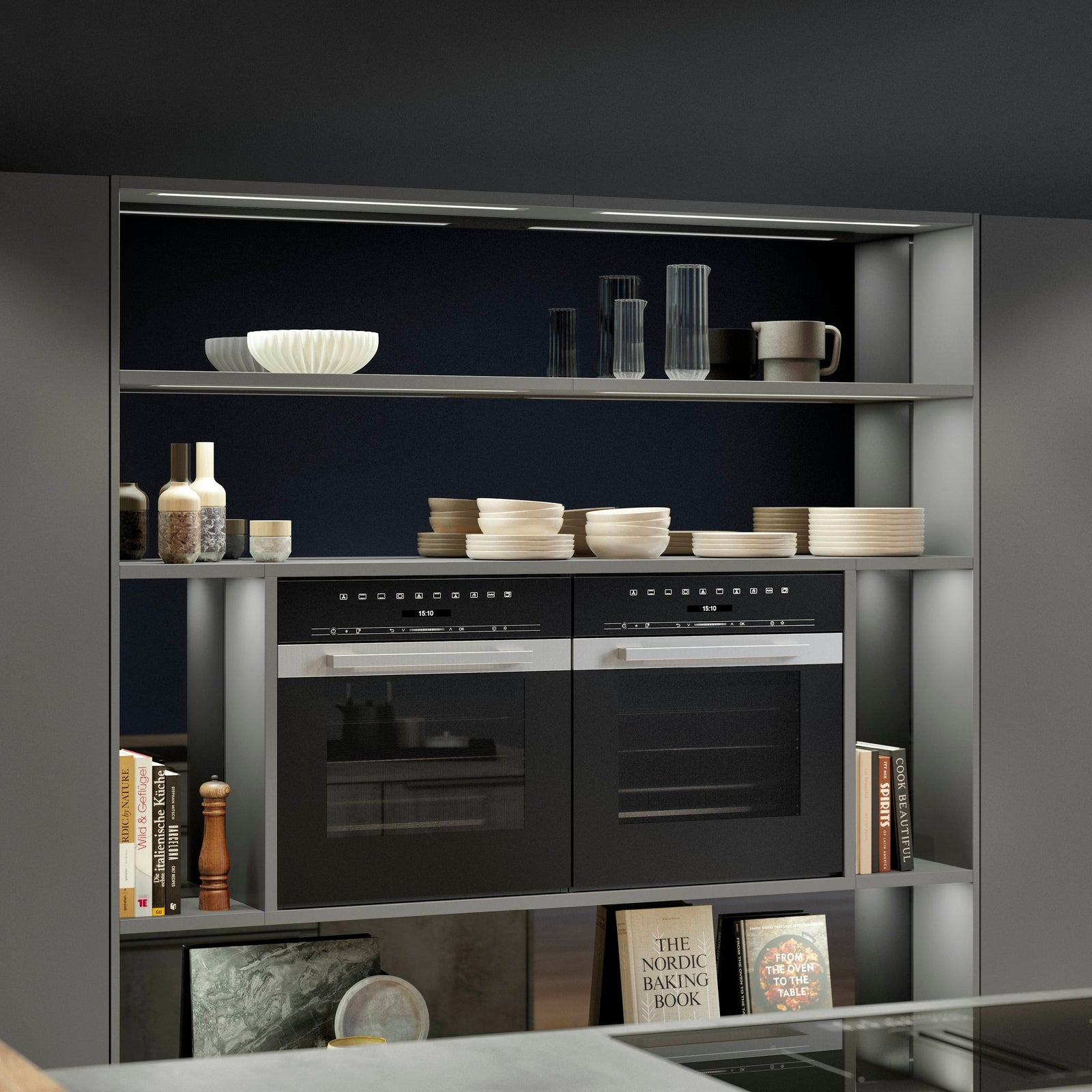

Gerätetechnische Erweiterungen im Nobilia-Portfolio 2026
Moderne Küchen verlangen einfache Wartung und vielseitige Küchengeräte. Nobilia präsentiert 2026 mit dem BORA GPNext und exklusiven Electrolux-Neuheiten technische Erweiterungen für das mittlere Segment. Diese Innovationen beschleunigen den Filterwechsel und bieten Planern eine zentrale Lösung, ein Highlight unter den Küchentrends 2026.
View full article

Effektive Raumnutzung und Beleuchtungskonzepte in der modernen Küche
Viele Küchen leiden unter ungenutztem Stauraum und fehlender Beleuchtung in der Küche. Praxisorientierte Konzepte ermöglichen optimale Raumnutzung und funktionale, stimmungsvolle Küchenbeleuchtung. Tipps reichen von deckenhohen Schränken bis zu smarten Lichtkonzepten für perfektes Licht und maximale Funktion.
View full article

Farbtrends in der Küche: So schaffen Sie Ruhe und Natürlichkeit
Sterile Küchen wirken unpersönlich und kalt. Sanfte Erdtöne als Wandfarbe in der Küche schaffen eine warme, natürliche Atmosphäre. Küchentrends 2025 zeigen, wie Sie Ruhe und Geborgenheit erreichen.
View full article

Natursteinoberflächen reinigen und pflegen
Wussten Sie, dass unsachgemäße Pflege die Lebensdauer Ihrer Küchenarbeitsplatte aus Naturstein um bis zu 50 % verkürzen kann? Mit jahrelanger Erfahrung in Küchenmöbeln und Natursteinflächen liefere ich klare Tipps zur Reinigung, Imprägnierung und Fleckenschutz. So bleibt Ihre Arbeitsplatte makellos und langlebig.
View full article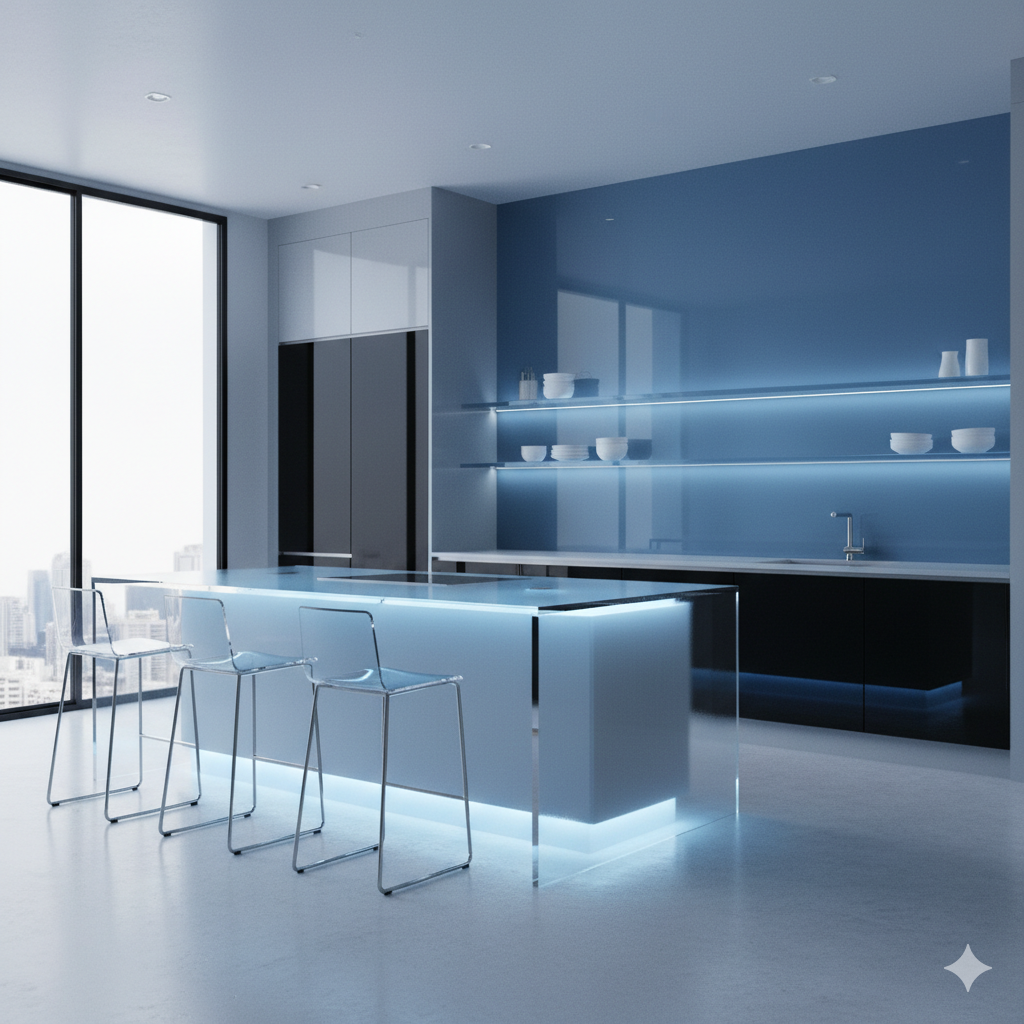

Polymerglas in Küche und Wohnraum
Falsche Reinigung kann Polymerglas in Ihrer Küche dauerhaft schädigen. Optimierte Pflegehinweise für Smartglas verhindern Trübungen und Spannungsrisse. Praxisnahe Tipps sorgen für schonende Reinigung und langfristige Werterhaltung Ihrer Küchenfronten.
View full article

Reinigung und Pflege von Kühlschrank und Geschirrspüler
Kühlschrank und Geschirrspüler leiden unter verstopften Kondenswasserabläufen und verschmutzten Dichtungen. Als Profi für Küchengerätewartung zeige ich praxisnahe Tipps für kühlschrank richtig reinigen, Geschirrspülerpflege und effektive Filterkontrolle. So vermeiden Sie Schimmel, senken den Energieverbrauch und verlängern die Lebensdauer Ihrer Geräte.
View full article Gerätetechnische Erweiterungen im Nobilia-Portfolio 2026
Moderne Küchen verlangen einfache Wartung und vielseitige Küchengeräte. Nobilia präsentiert 2026 mit dem BORA GPNext und exklusiven Electrolux-Neuheiten technische Erweiterungen für das mittlere Segment. Diese Innovationen beschleunigen den Filterwechsel und bieten Planern eine zentrale Lösung, ein Highlight unter den Küchentrends 2026.
View full article Effektive Raumnutzung und Beleuchtungskonzepte in der modernen Küche
Viele Küchen leiden unter ungenutztem Stauraum und fehlender Beleuchtung in der Küche. Praxisorientierte Konzepte ermöglichen optimale Raumnutzung und funktionale, stimmungsvolle Küchenbeleuchtung. Tipps reichen von deckenhohen Schränken bis zu smarten Lichtkonzepten für perfektes Licht und maximale Funktion.
View full article Farbtrends in der Küche: So schaffen Sie Ruhe und Natürlichkeit
Sterile Küchen wirken unpersönlich und kalt. Sanfte Erdtöne als Wandfarbe in der Küche schaffen eine warme, natürliche Atmosphäre. Küchentrends 2025 zeigen, wie Sie Ruhe und Geborgenheit erreichen.
View full article