Your cart is empty






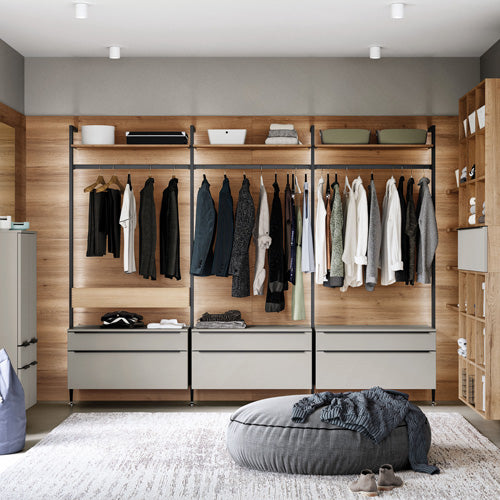
Küche





PROFESSIONELLER 3D NOBILIA KÜCHENPLANER - Desktop


ONLINE KITCHEN PLANNING WITH PRICES - configure today / pick up tomorrow
INTUITIVE & SCHNELLE KÜCHENPLANUNG - Auf allen Geräten





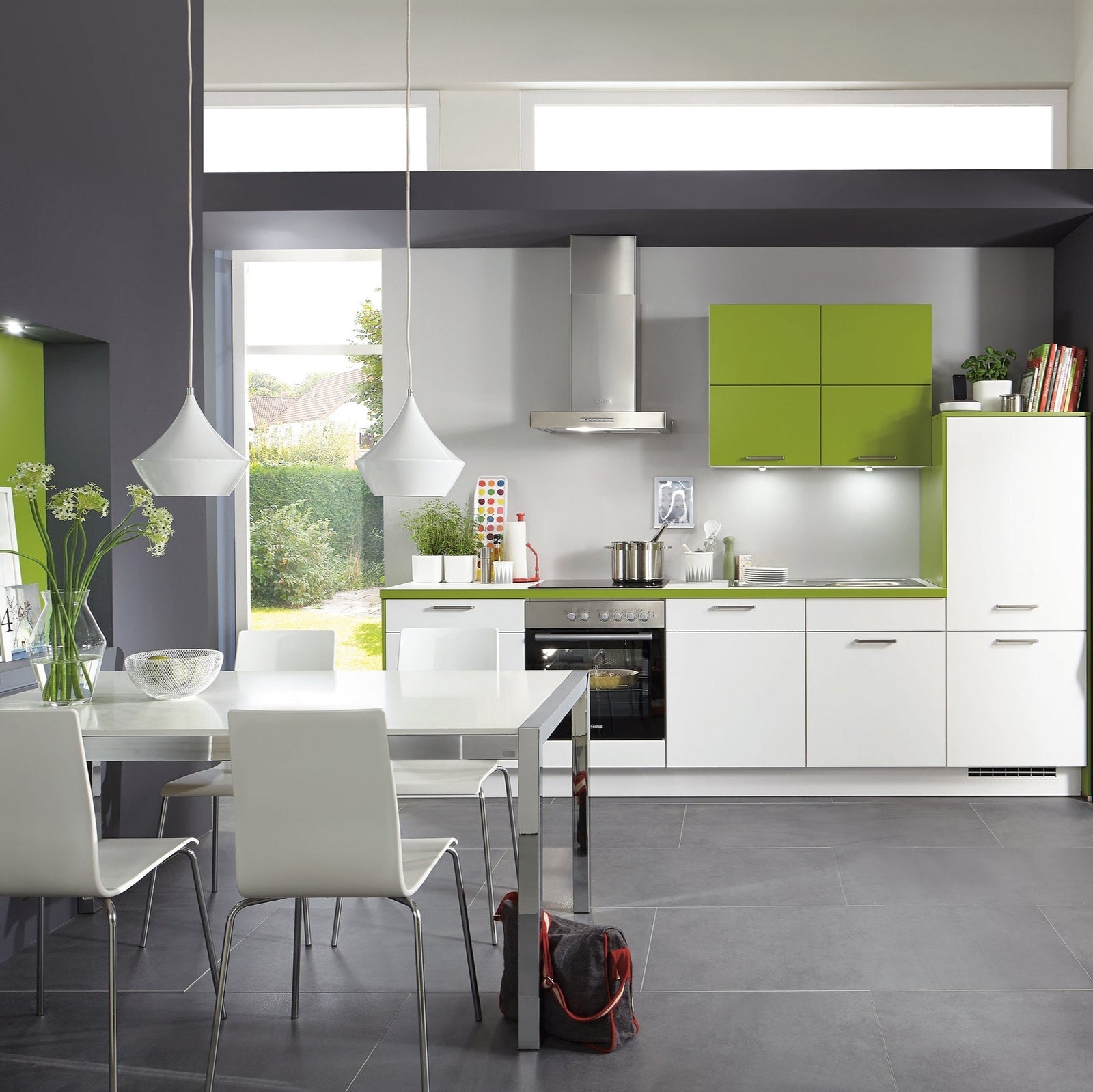

L, U or island? Which kitchen layout fits your space?
The choice of kitchen shape is the fundamental and most far-reaching decision in kitchen planning. It defines the layout for the arrangement of functional areas and thus has a significant impact on ergonomics, work efficiency, storage capacity, and the overall spatial feeling. Before aesthetic detailed decisions about materials and colors are made, this functional framework must be defined. The optimal solution results from a careful analysis of the spatial conditions, individual user requirements, and the available budget.
1. Basic Ergonomic Principles for Planning Your Kitchen Line
Modern kitchen planning is based on established ergonomic principles to optimize workflows.
The Work Triangle: A traditional concept that considers the paths between the three main work zones Cooling (refrigerator), Washing (sink and dishwasher), and Cooking (hob and oven). The goal is to keep the total distance between these points as short as possible to increase efficiency.
The Work Zones: A more flexible and modern concept divides the kitchen into functional zones: Preparing, Cooking, Washing, Storing, and Disposing. The planning aims to arrange these zones logically and without mutual interference. The preparation zone, which takes up the largest part of the working time, should ideally be centrally located between the cooking and washing areas and have sufficient free workspace.
2. Linear Layouts for Compact or Narrow Rooms
For room situations characterized by small size or a narrow layout, linear arrangements are suitable.

The Kitchen Line (Single-Line Kitchen): All cabinets and appliances are placed linearly along one wall. This is the most space-saving and cost-effective variant, ideal for studios, small apartments, or narrow rooms. The biggest challenge is ergonomics, as the work paths between the outer zones (e.g., refrigerator and hob) tend to be long. A well-thought-out arrangement, where the sink is placed as a central workstation between the refrigerator and hob, can improve workflows.
The Two-Line Kitchen (Galley): Consisting of two opposite, parallel kitchen lines, this form represents a highly ergonomic and efficient arrangement for elongated rooms. It allows a logical separation of work zones, for example into a "wet" side with sink and a "hot" side with hob. The work paths are very short here. A critical planning prerequisite is the distance between the lines. A minimum distance of 1.20 meters is required so that drawers on both sides can be opened simultaneously and two people can pass each other. With less distance, functionality can be severely limited.
3. Flexible Standard Shapes: The L- and U-Kitchen
U-shaped and L-shaped kitchens are widespread because they combine high functionality with good adaptability to various room situations.
- The L-Kitchen (Corner Kitchen): Two lines are positioned at a right angle to each other. It is a very flexible solution suitable for almost any room from about 12 square meters and opens the room to one side, often creating space for a dining table. The arrangement allows a very good implementation of the work triangle. The planning challenge is the optimal use of the corner area.
Comparison of Corner Cabinet Solutions
| Solution Type | Functional Principle | Accessibility | Space Utilization | Cost (relative) |
|---|---|---|---|---|
| Swivel Pull-Out | Two kidney-shaped shelves swivel almost completely and independently out of the cabinet. | Very high (approx. 85 to 95 %) | Good | High |
| Corner Carousel | Two or three round shelves rotate around a central axis inside the cabinet. | Sufficient | Moderate (central axis obstructs) | Low |
| Combined Pull-Out | A mechanism automatically pulls rear baskets or shelves forward when the door is opened. | High | Good to very good | Very high |
| Dead Corner | The corner area is deliberately not used and closed off. | None | None | None |
The "dead corner" is a pragmatic solution. It avoids expensive mechanics and instead allows for wider, better usable cabinets on the adjacent sides.
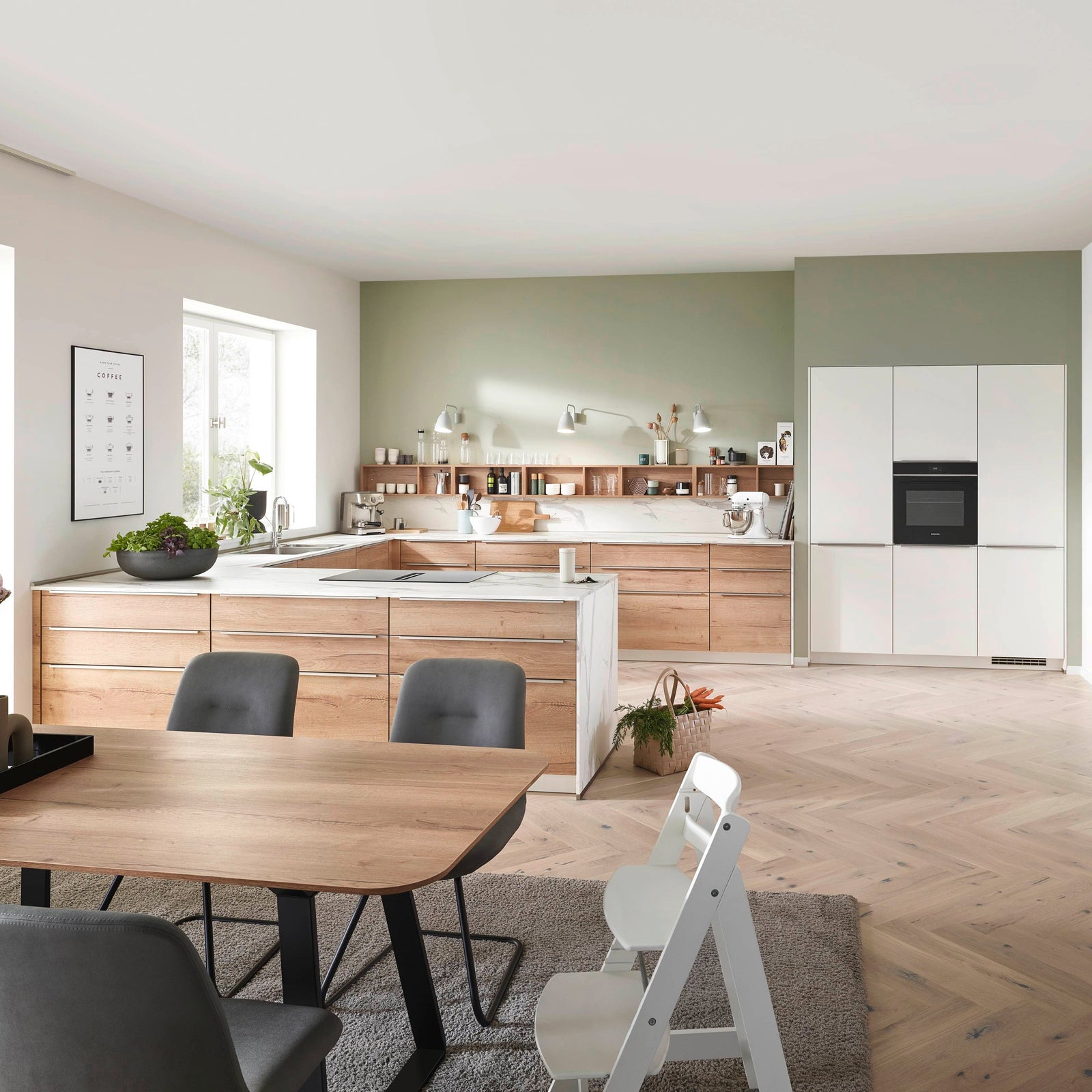
- The U-Kitchen: Three kitchen lines form a "U". It offers maximum storage and workspace with very short work paths, making it ideal for ambitious cooks. However, this form requires sufficient room width (the minimum distance of 1.20 meters also applies here) to avoid appearing overloaded and claustrophobic. To avoid a bulky look, it is often recommended to forgo upper cabinets on at least one wall and instead work with open shelves or a free wall area.

4. Layouts for Open Space Concepts
In open living and dining areas, extended kitchen forms have established themselves that emphasize the communicative aspect.
The G-Kitchen: An evolution of the U-kitchen. A fourth, shorter leg extends as a peninsula into the room and functions as a bar or counter. This layout creates a defined yet open cooking zone and integrates a communicative dining area. It offers the absolute maximum storage but requires a very generous floor plan.
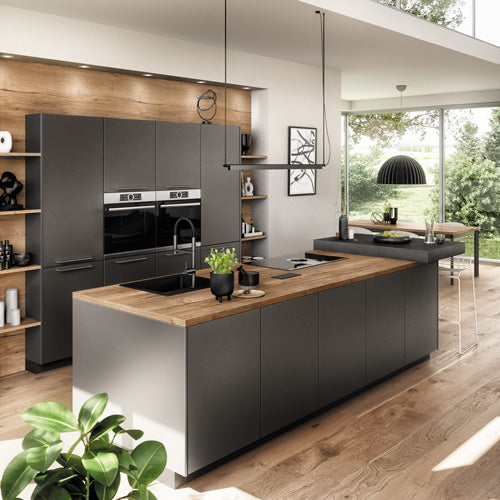
The Kitchen with Island: A freestanding kitchen block serves as a central element in the room. The main advantage lies in the communicative orientation. The cooking person faces the room. Implementation is tied to high spatial and technical requirements. The room should be at least 15 square meters, and the movement space around the island should be at least 1.00 meter. A significant cost driver is the elaborate installation of connections (electricity, water, exhaust) in the floor structure. This must be considered early in the construction phase and can significantly increase costs, especially in renovations. Depending on function, one distinguishes between a pure work island, a cooking island (with hob and extractor), or a washing island (with sink).

5. Flexible Alternatives: The Peninsula as a Kitchen Shape
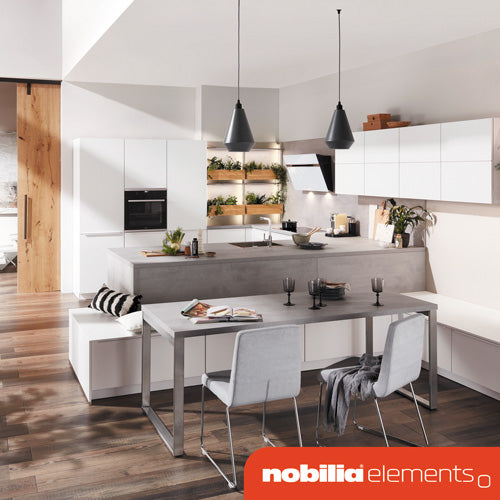
A peninsula is a space-saving and often more cost-effective alternative to a freestanding island. Since it adjoins a wall or a kitchen line on one side, it requires less floor space. It can functionally extend an L-kitchen to a G-shape or serve as a communicative dining area without requiring the elaborate installation of floor connections. It also acts as a subtle room divider that visually separates the cooking area from the living area without completely enclosing it.
Conclusion on Different Kitchen Shapes
The choice of kitchen shape should follow the logic of the room and the functionality of workflows. A careful analysis of the floor plan and personal usage habits is the basis for selecting the appropriate layout. In smaller rooms, lines or compact L-shaped kitchens are often the most rational choice. With more space available, U-kitchens offer maximum functionality for one person. For large, open living spaces, extended forms with islands or peninsulas are suitable to create a communicative center of living that also enables cooking with multiple people. The optimal layout is a functional framework that balances ergonomic efficiency with the available space and budget.
View full article

Sachliche Küchenplanung für erfahrene Käufer
Erfahrene Käufer wissen: Sachliche Küchenplanung spart langfristig Zeit und Kosten. Faire Angebotsküchen und gebrauchte Ausstellungsküchen im Küchenstudio bieten hohes Potenzial, wenn Sie drei zentrale Planungsprinzipien beachten. So erreichen Sie robuste Materialien, ausreichenden Stauraum und ein klares Raumkonzept.
View full article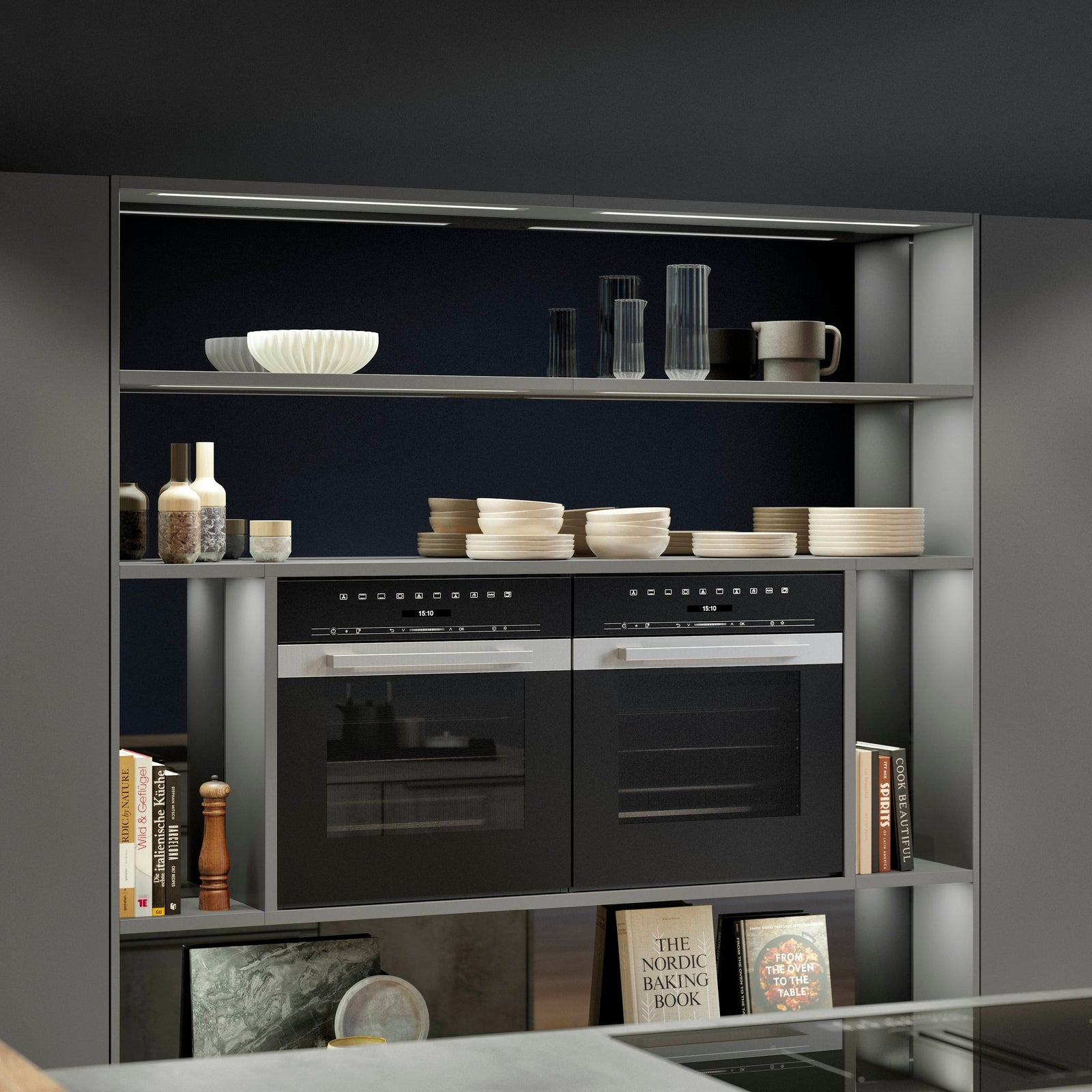

Gerätetechnische Erweiterungen im Nobilia-Portfolio 2026
Moderne Küchen verlangen einfache Wartung und vielseitige Küchengeräte. Nobilia präsentiert 2026 mit dem BORA GPNext und exklusiven Electrolux-Neuheiten technische Erweiterungen für das mittlere Segment. Diese Innovationen beschleunigen den Filterwechsel und bieten Planern eine zentrale Lösung, ein Highlight unter den Küchentrends 2026.
View full article

Effektive Raumnutzung und Beleuchtungskonzepte in der modernen Küche
Viele Küchen leiden unter ungenutztem Stauraum und fehlender Beleuchtung in der Küche. Praxisorientierte Konzepte ermöglichen optimale Raumnutzung und funktionale, stimmungsvolle Küchenbeleuchtung. Tipps reichen von deckenhohen Schränken bis zu smarten Lichtkonzepten für perfektes Licht und maximale Funktion.
View full article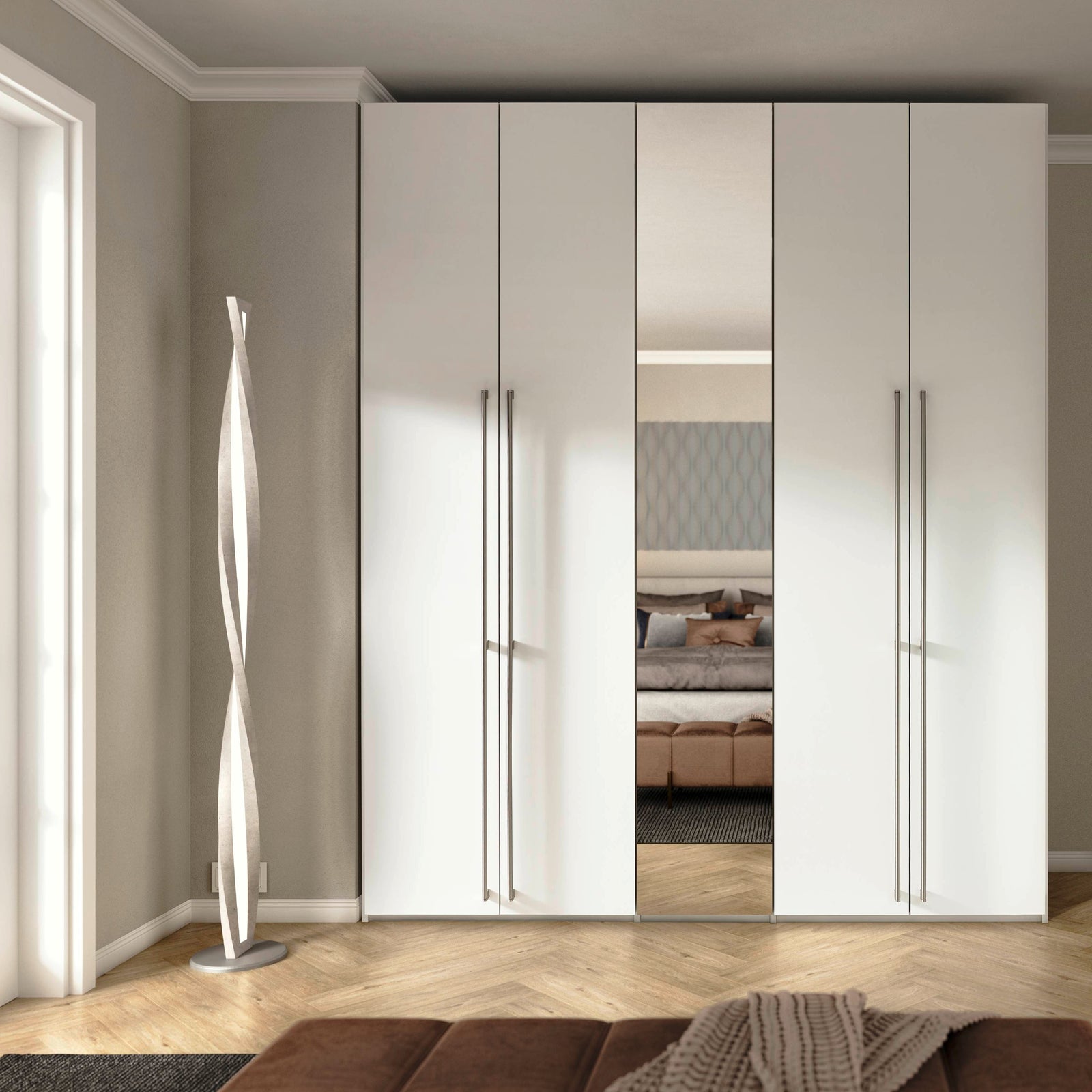

Schlafzimmerplanung mit nobilia
Viele Haushalte zwischen vierzig und sechzig stehen vor der Herausforderung, ihr Schlafzimmer funktional und stilvoll neu zu planen. nobilia erweitert seine Küchenkompetenz um ein systembasiertes Möbelprogramm mit flexiblen Kleiderschrankelementen und abgestimmten Dekoren. Modulare Schlafzimmerplanung sorgt für Langfristigkeit, Stauraumoptimierung und ein durchgängiges Möbelkonzept.
View full article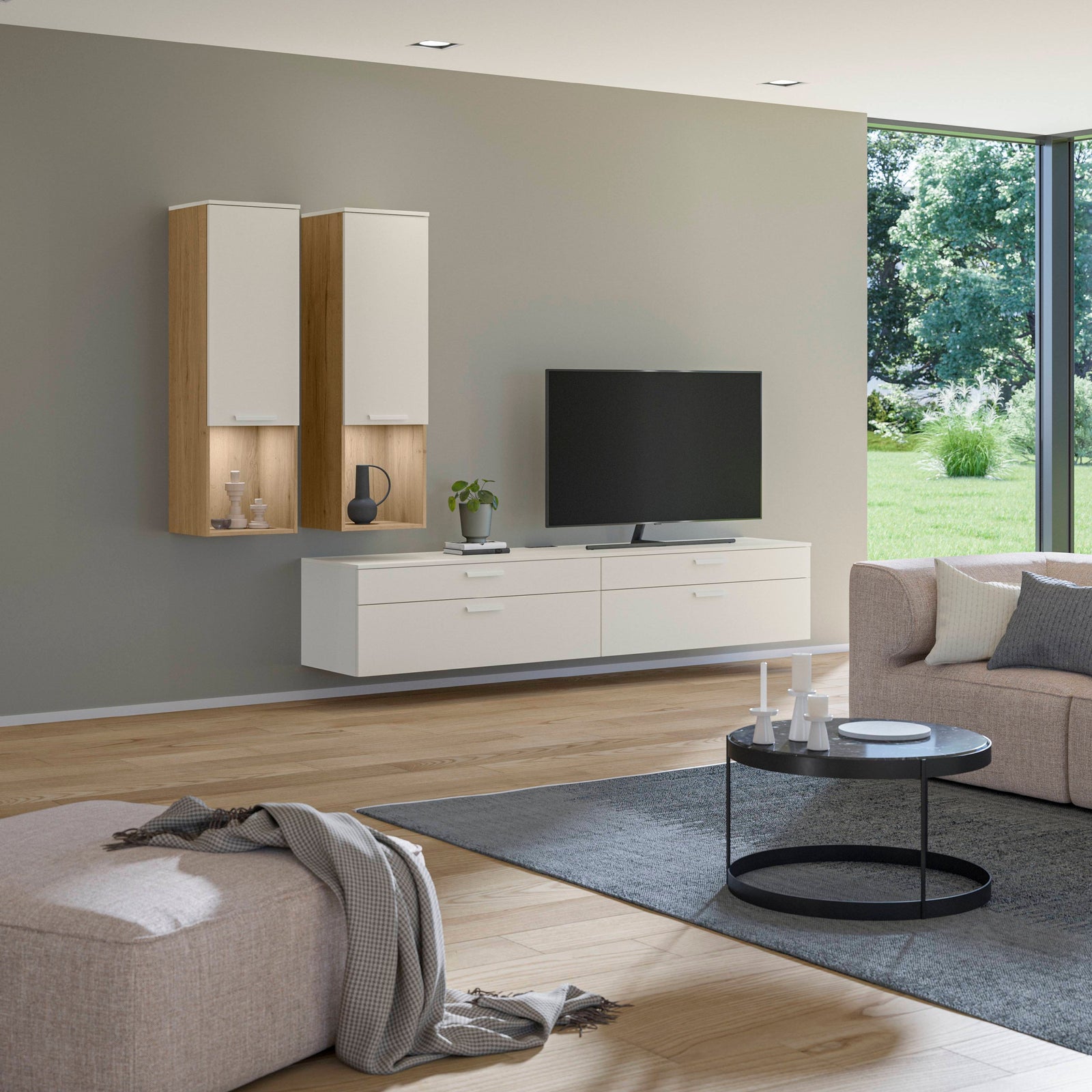

Wohnräume langfristig planen mit den nobilia Produktlinien
Langfristige Wohnraumplanung stellt viele vor unerwartete Hürden. Mit den nobilia Produktlinien profitieren Sie von durchdachten Modulkonzepten für Küchen und offene Wohnbereiche. So schaffen Sie funktionale Räume mit klarer Gestaltung und zeitloser Technikintegration.
View full article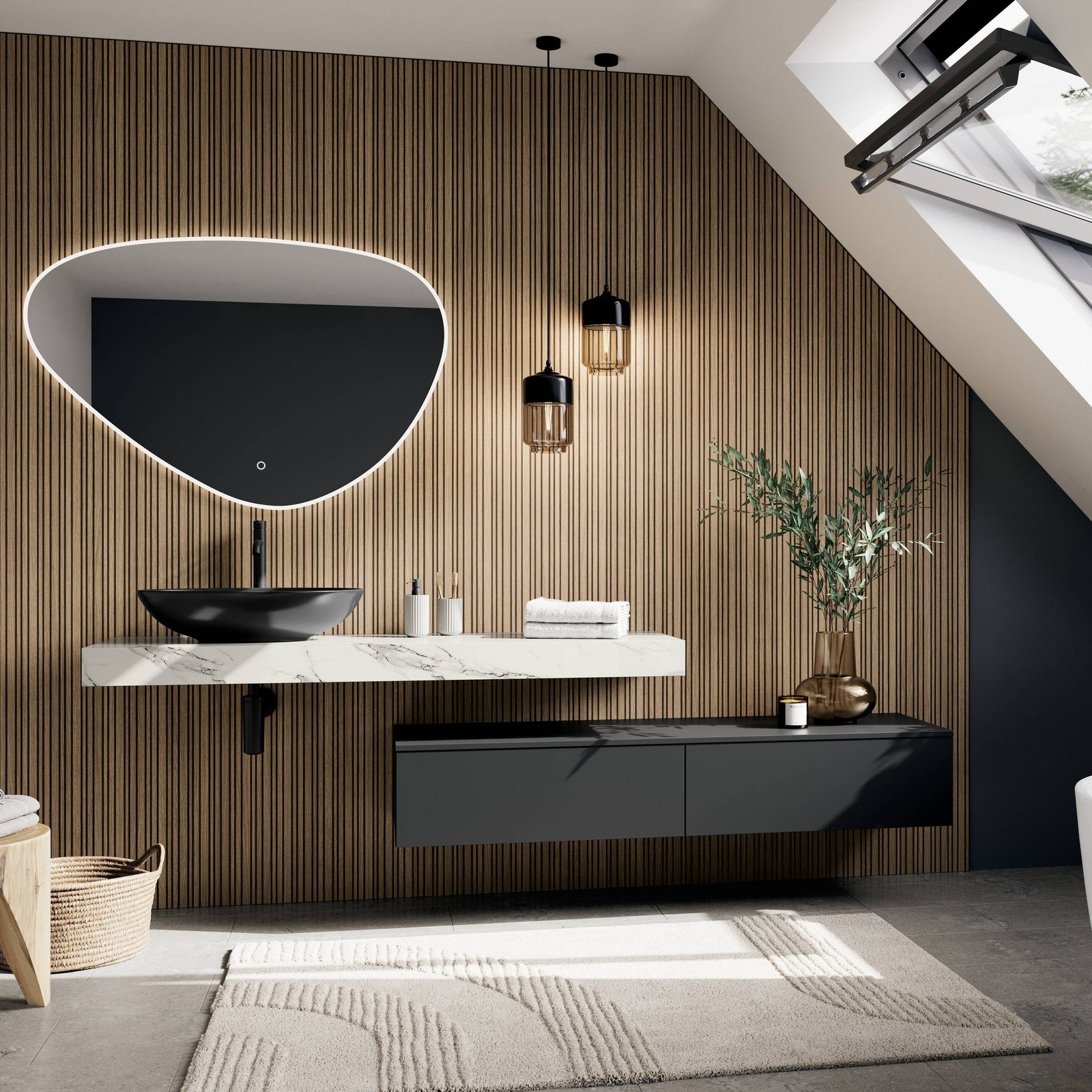

Badplanung mit Blick auf Alltag, Werterhalt und langfristige Nutzung
Viele Eigentümer suchen nach einer funktionalen Badplanung, die Werterhalt und Alltagstauglichkeit vereint. Ich bin Fachmann für nobilia Badmöbel und liefere planungssichere Konzepte, robuste Fronten und Tipps für den Online-Kauf von Badmöbeln. So entsteht ein pflegeleichtes, werterhaltendes Badezimmer für den Alltag.
View full article Sachliche Küchenplanung für erfahrene Käufer
Erfahrene Käufer wissen: Sachliche Küchenplanung spart langfristig Zeit und Kosten. Faire Angebotsküchen und gebrauchte Ausstellungsküchen im Küchenstudio bieten hohes Potenzial, wenn Sie drei zentrale Planungsprinzipien beachten. So erreichen Sie robuste Materialien, ausreichenden Stauraum und ein klares Raumkonzept.
View full article Gerätetechnische Erweiterungen im Nobilia-Portfolio 2026
Moderne Küchen verlangen einfache Wartung und vielseitige Küchengeräte. Nobilia präsentiert 2026 mit dem BORA GPNext und exklusiven Electrolux-Neuheiten technische Erweiterungen für das mittlere Segment. Diese Innovationen beschleunigen den Filterwechsel und bieten Planern eine zentrale Lösung, ein Highlight unter den Küchentrends 2026.
View full article Effektive Raumnutzung und Beleuchtungskonzepte in der modernen Küche
Viele Küchen leiden unter ungenutztem Stauraum und fehlender Beleuchtung in der Küche. Praxisorientierte Konzepte ermöglichen optimale Raumnutzung und funktionale, stimmungsvolle Küchenbeleuchtung. Tipps reichen von deckenhohen Schränken bis zu smarten Lichtkonzepten für perfektes Licht und maximale Funktion.
View full article