Your cart is empty






Küche






3D ONLINE KÜCHENPLANER


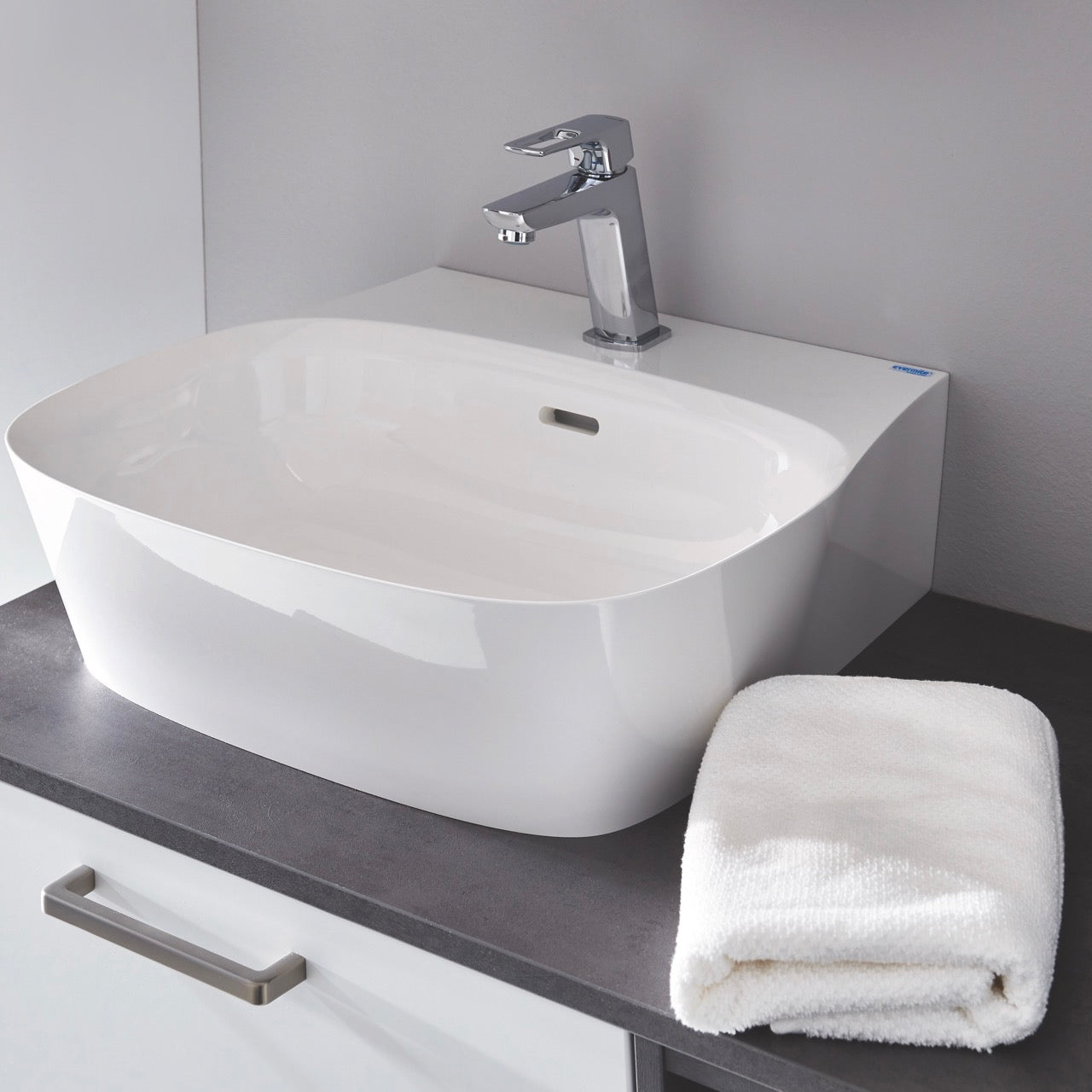

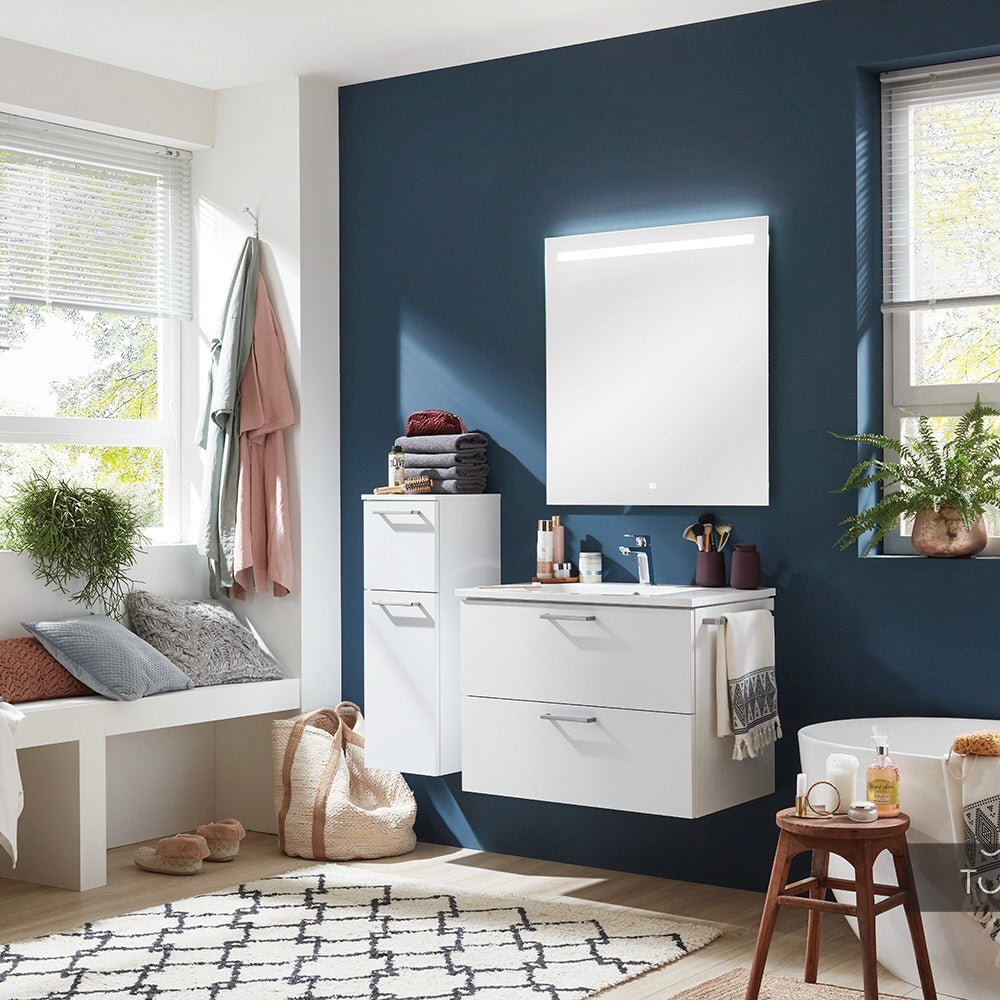

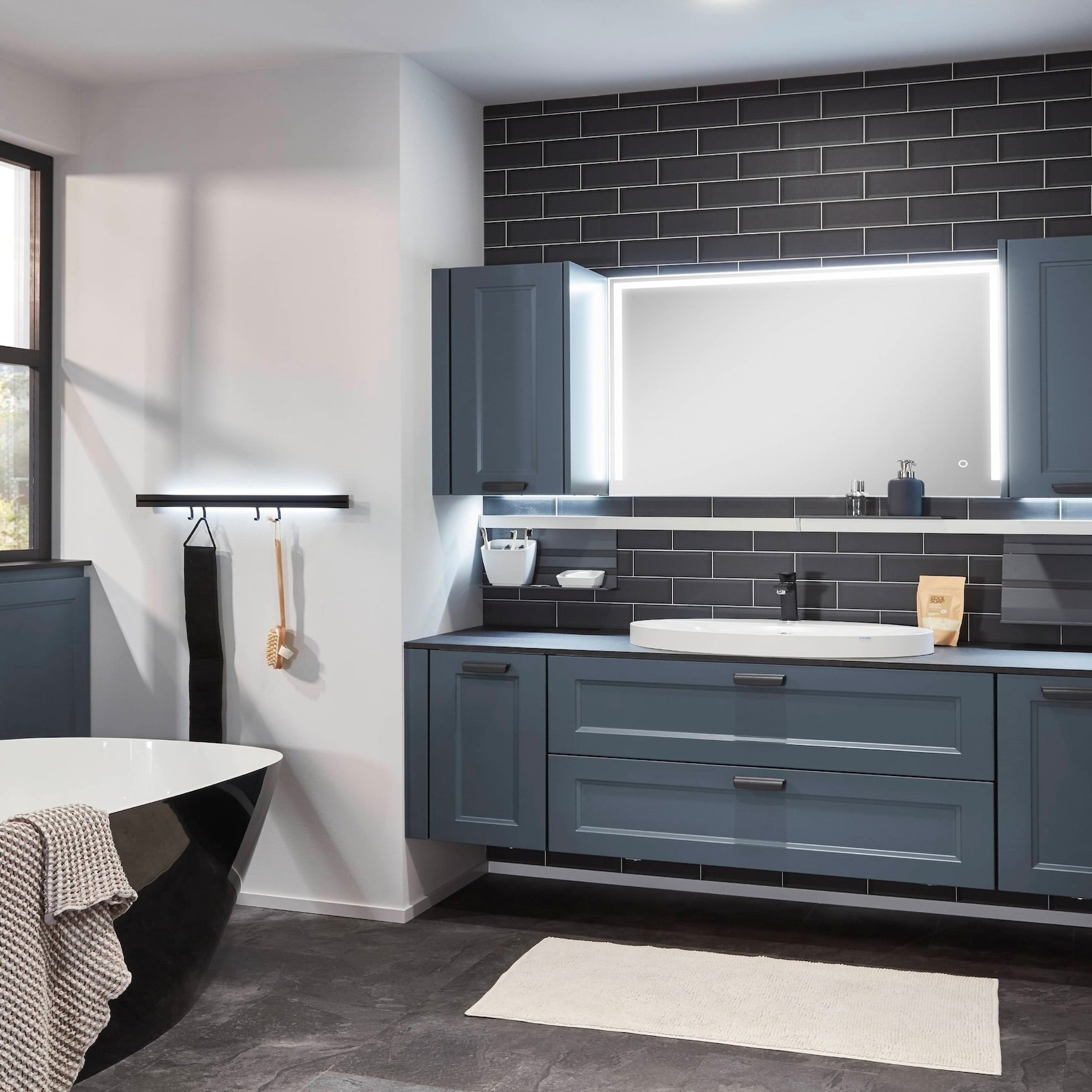


Family chaos or home office? Every life situation needs a different kitchen
The modern kitchen is often a multifunctional living space whose requirements go far beyond the mere preparation of food. A standard design often does not meet the diverse needs of families, home office users, or small households. A well-thought-out kitchen is one that adapts to the specific use. This guide analyzes four common usage profiles and shows which planning decisions, materials, and technical solutions are relevant for the respective life situation to make an investment that is both durable and functional.
1. The Family Kitchen: Requirements for Robustness, Safety, and Storage Space

A family kitchen is subject to the most intensive mechanical and chemical stress and must therefore be designed for maximum durability, safety, and high organizational capacity.
Priority 1: Robust and easy-care materials Sensitive or maintenance-intensive surfaces are unsuitable here. The selection should focus on materials that withstand impacts, scratches, and frequent cleaning without damage.
- Fronts: High-pressure laminate (HPL) or melamine resin fronts offer the highest resistance to mechanical impacts. Matte lacquer fronts are an aesthetically sophisticated alternative; here, a high-quality multi-layer lacquer and an anti-fingerprint coating should be considered to reduce cleaning effort. High-gloss surfaces are less recommended due to their sensitivity to fine scratches and visible fingerprints.
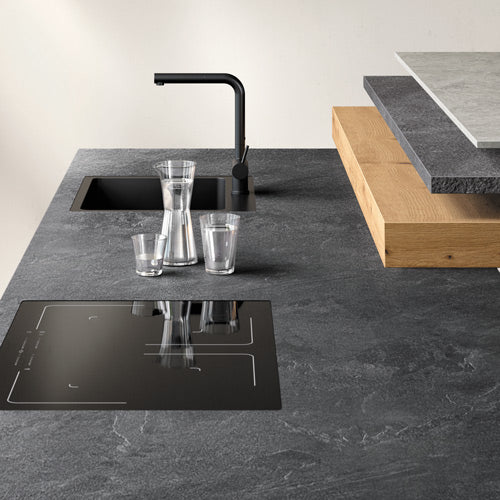
- Worktops: The choice of material is crucial for durability. Laminate is a cost-effective and robust option. Quartz composite offers higher scratch resistance and a pore-free, hygienic surface. Ceramic is the most resistant to scratches and heat but represents the highest price range and can react brittlely to hard impacts (chipping). Oiled solid wood is often unsuitable for intensive family use due to the high maintenance effort and sensitivity to water stains.
Priority 2: Safety
- Appliance installation: The oven and any steam cookers should be built into the tall cabinet at ergonomic height, out of the direct reach of small children.
- Cooktop: An induction cooktop is the safest choice. The cooking zones themselves do not get hot, only the residual heat of the pot. Pot detection prevents accidental activation without cookware, and a child lock blocks operation.
- Fuses and construction: Drawers with cleaning agents or knives must be equipped with child locks. When planning islands or counters, rounded corners should be considered to minimize the risk of bumps.
Priority 3: Sufficient and organized storage space
- Base cabinets: These should consistently be planned with full extensions that have a high load capacity (at least 50 kg). This allows the safe storage of heavy pots and stacks of dishes.
- Tall cabinets: A tall cabinet with internal pull-outs (pantry cabinet) is often more flexible than a large apothecary cabinet. Plan dedicated storage space for specific needs, for example, a deep drawer for lunch boxes and drinking bottles.
- Appliances: A large refrigerator (side by side or XXL model) offers space for the weekly shopping and reduces the frequency of shopping trips.
Communicative dining area (optional/budget-dependent) A kitchen island with a robust counter can serve as a communicative center. However, this requires a generous floor plan and a higher budget. In smaller rooms, a wall-mounted bench with integrated storage under the seat is a space-saving alternative.
2. The Work Kitchen: Integration of the Home Office

Integrating a workspace into the kitchen requires solutions that allow a clear functional and mental separation of work and living.
The premium solution: The hidden workspace in the tall cabinet A tall cabinet is internally converted into an office with a desk surface, lighting, and sockets.
- Sliding doors (Pocket Doors): This is the most technically complex and expensive solution. The doors open and disappear sideways into niches in the carcass. After work, the doors are closed, and the office is invisible. This construction requires special, high-quality fittings and precise manufacturing and is usually a custom carpentry job.
- Secretary solution with flap: A flap in an upper or tall cabinet serves as a desk surface. This solution is more cost-effective but offers less space and stability for permanent use.
The pragmatic solution: As part of the kitchen unit Part of the kitchen unit is planned as a desk by extending the worktop over an area without base cabinets to create legroom. This area is often planned slightly lower (approx. 72 to 75 cm) to achieve an ergonomic sitting height. A material change, for example, a wooden desk surface in an otherwise uniformly colored kitchen, can visually separate the work area and create a warmer atmosphere.
Technical infrastructure A workspace requires its own infrastructure. Plan sufficient sockets (including USB A and USB C ports), possibly a LAN connection, and separate, glare-free workplace lighting (e.g., a swiveling LED strip) firmly. Good cable management, such as a cable outlet in the worktop, avoids visible cable clutter.
3. The Tidy Kitchen: The Function of the Utility Room

In open living kitchens, household appliances like washing machines or the storage of beverage crates disturb the homely aesthetic. A separate utility room (HWR) is the optimal solution here to separate function and living.
- The concept: The HWR bundles noisy (washing machine, dryer), heavy (beverage crates), and visually restless (cleaning agents, vacuum cleaner) household work in a separate but nearby location.
- Structural requirements: This is a demanding solution that is not feasible in most existing properties without significant renovations. It is primarily suitable for new buildings or core renovations where the floor plan can be planned accordingly. An HWR requires connections for water, wastewater, several separate electrical circuits, and ideally good ventilation to remove moisture.
- Pragmatic alternative: The utility cabinet: If a separate room is not possible, a large, often ceiling-high tall cabinet in the kitchen or adjacent hallway can be designed as a "utility cabinet." Behind large doors, connections for a washing machine (possibly with dryer function), pull-outs for laundry baskets, and compartments for cleaning agents and vacuum cleaners can be integrated. When planning, the appliance depth, necessary connections, and sufficient ventilation (e.g., through ventilation grilles in the doors or base) must be considered.
4. The Compact Kitchen for Small Spaces
Planning a micro kitchen requires intelligent and disciplined use of space.
Basic principle 1: Create optical spaciousness. Use light colors and uniform materials. Vertical lines, for example through narrow, tall wall cabinets, visually stretch the room. A niche cladding made of mirror or glass can also contribute to optical enlargement. Good, multi-level lighting is essential.
Basic principle 2: Multifunctionality. Every element should serve multiple purposes. An oven with an integrated microwave saves space for a second appliance. A cooktop with integrated extractor makes an upper cabinet hood unnecessary and makes the area appear airier. A sink with matching accessories such as a sliding cutting board creates additional workspace over the basin if needed.
Basic principle 3: Use every centimeter. Plan wall cabinets up to the ceiling to store seasonally used dishes. Use narrow niches with apothecary cabinets (from 15 cm width) and the space in the plinth with plinth drawers for flat items. However, keep in mind that these special cabinets are often disproportionately expensive. Sometimes it is more economical to forgo using a very narrow niche and invest the budget in higher-quality pull-outs for the main cabinets.
5. Conclusion: Checklist for Needs-Based Planning
There is no one perfect kitchen, only a suitable solution for an individual life situation. Modern kitchen planning can offer highly specialized solutions. An honest analysis of one's own needs is the key to success.
The following checklist can help define your own requirements:
- Usage profile: What is the primary function of my kitchen (family meeting point, workspace, representative room)? What activities take place here besides cooking?
- Disturbing factors: What are the three biggest problems in my current kitchen (too little storage space, impractical workflows, maintenance-intensive surfaces, noise)?
- Priorities: Which of the presented solutions solves my biggest problem? Is it a more robust worktop, more closed storage space, or an integrated workspace?
- Budget and realism: Does the desired solution fit my budget and the structural conditions of my room? Where do I have to make compromises? Which expensive special solution can I replace with a cleverer standard solution?
An honest analysis of these points leads to kitchen planning that not only meets aesthetic ideas but actively facilitates everyday life over many years.
View full article
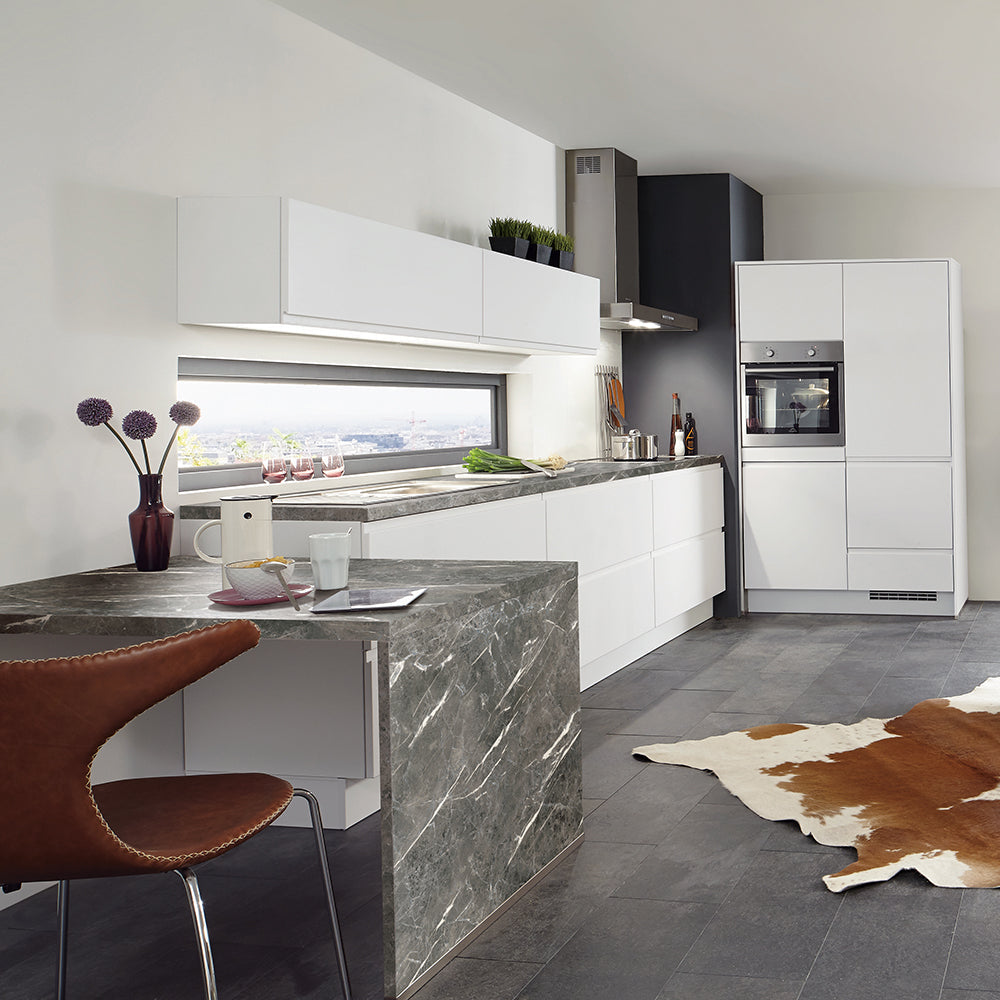

Planning the sink area: What really matters for the sink and faucet
Did you know that the wrong choice of sink and kitchen faucet can extend your dishwashing routines by up to 30%? Technical tips on sink materials, installation types, and faucet functions are based on sound technical expertise. Benefit from practical recommendations for a functional kitchen.
View full article

More than just splash protection: How to make the most of the wall between countertop and cabinet
The area between the countertop and upper cabinets often remains unused and complicates organization in small kitchens. This technical planning guide provides material comparisons and practical systems for the optimal use of the kitchen niche. You will receive clear tips on countertops, upper cabinets, and storage design for functional and easy-to-maintain kitchens.
View full article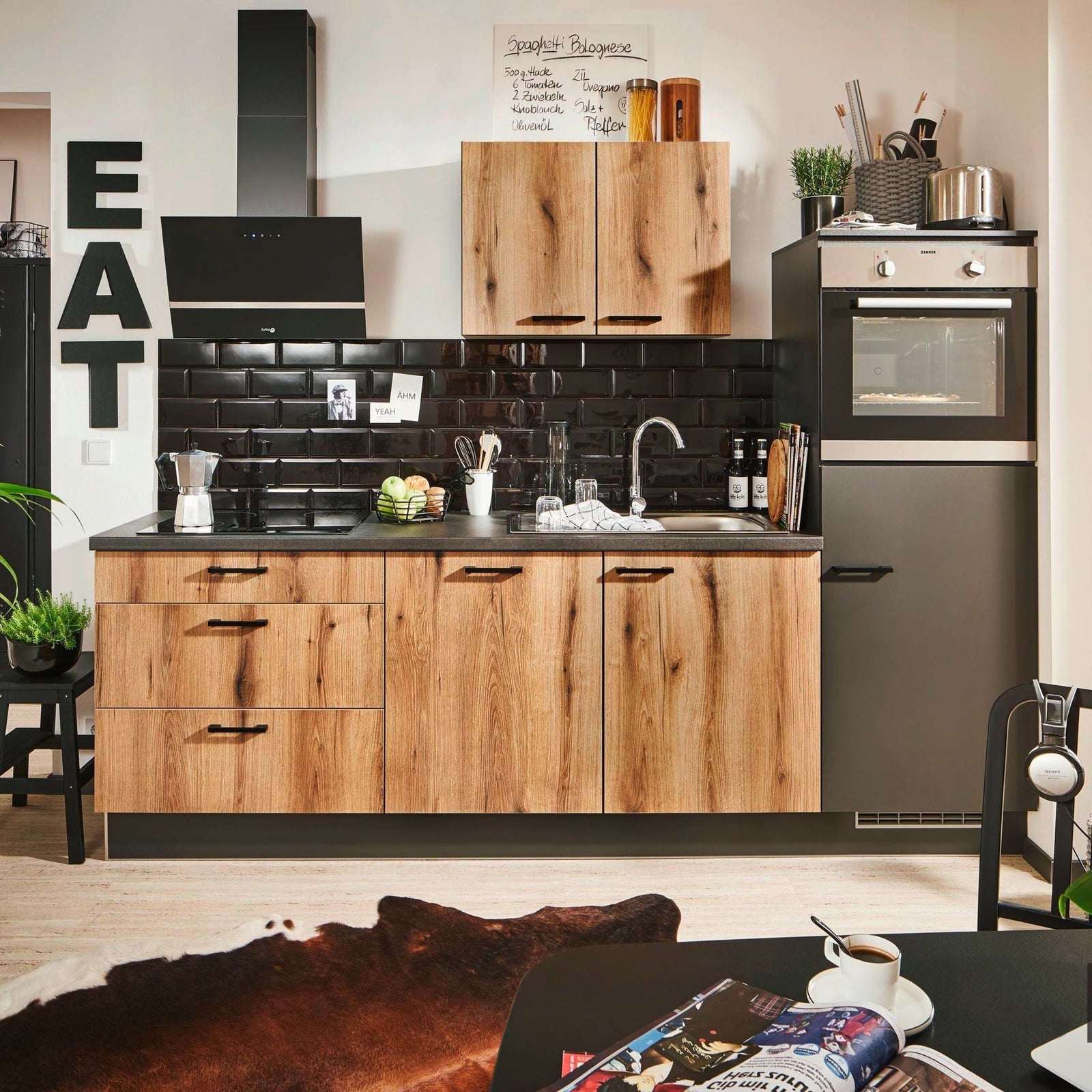

The back-friendly kitchen: How to properly plan work height and workflows
Incorrect working heights in the kitchen lead to back pain and inefficient processes. This planning guide for ergonomics in the kitchen provides practical tips for optimal working heights, storage solutions, and logical zones. Benefit from an ergonomic kitchen and efficient kitchen planning.
View full article