Your cart is empty






Küche





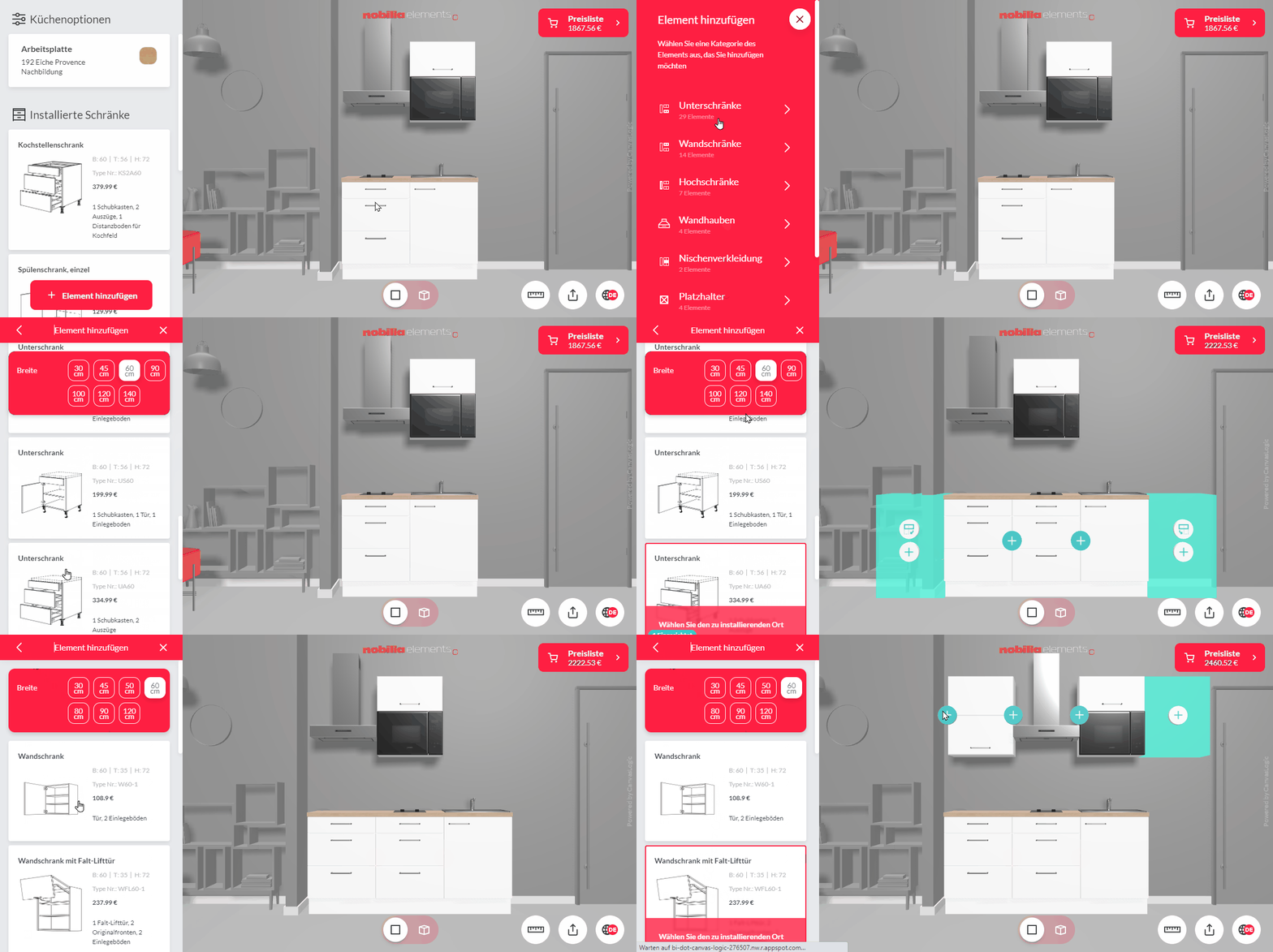
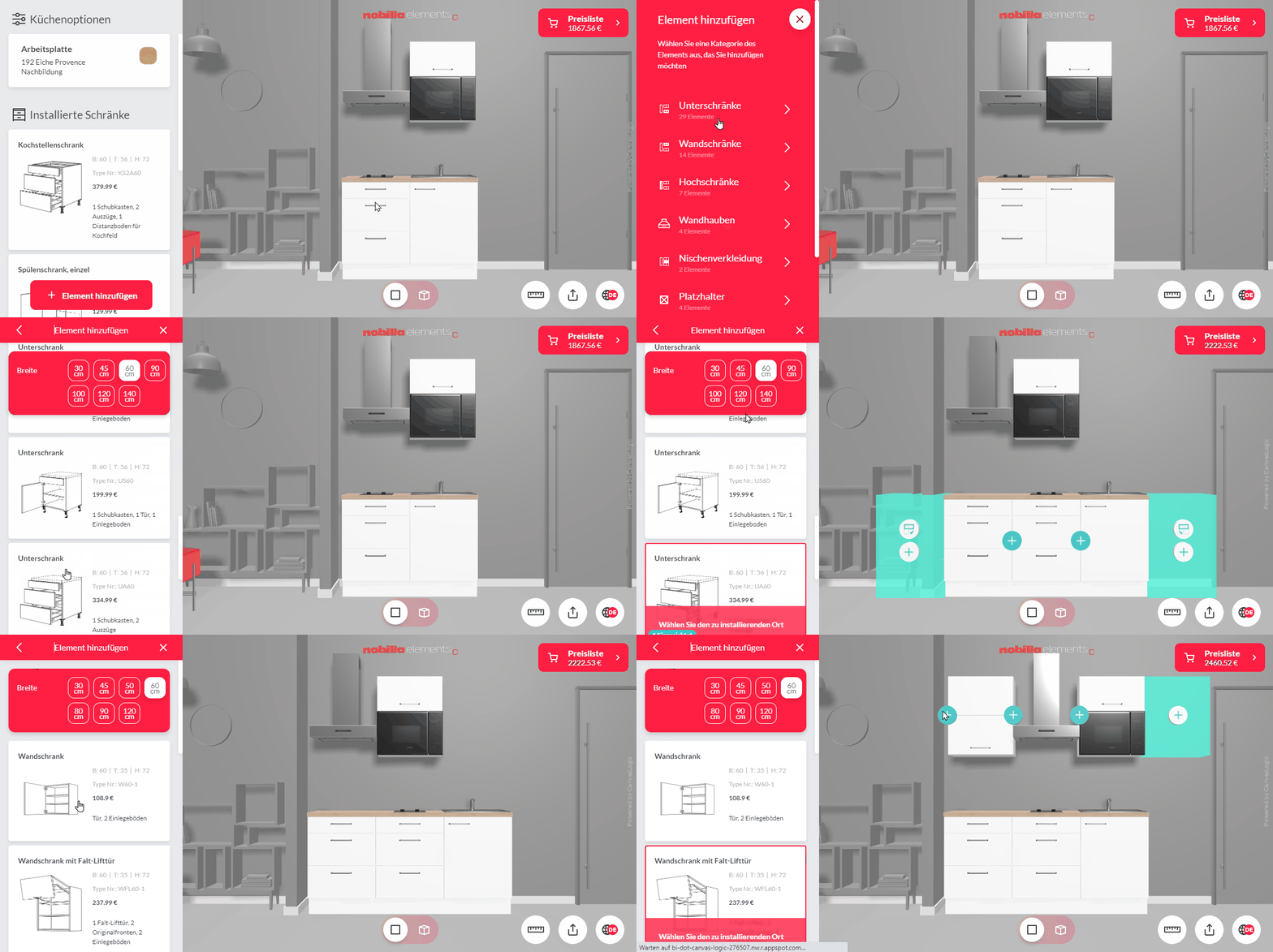
3D ONLINE KÜCHENPLANER




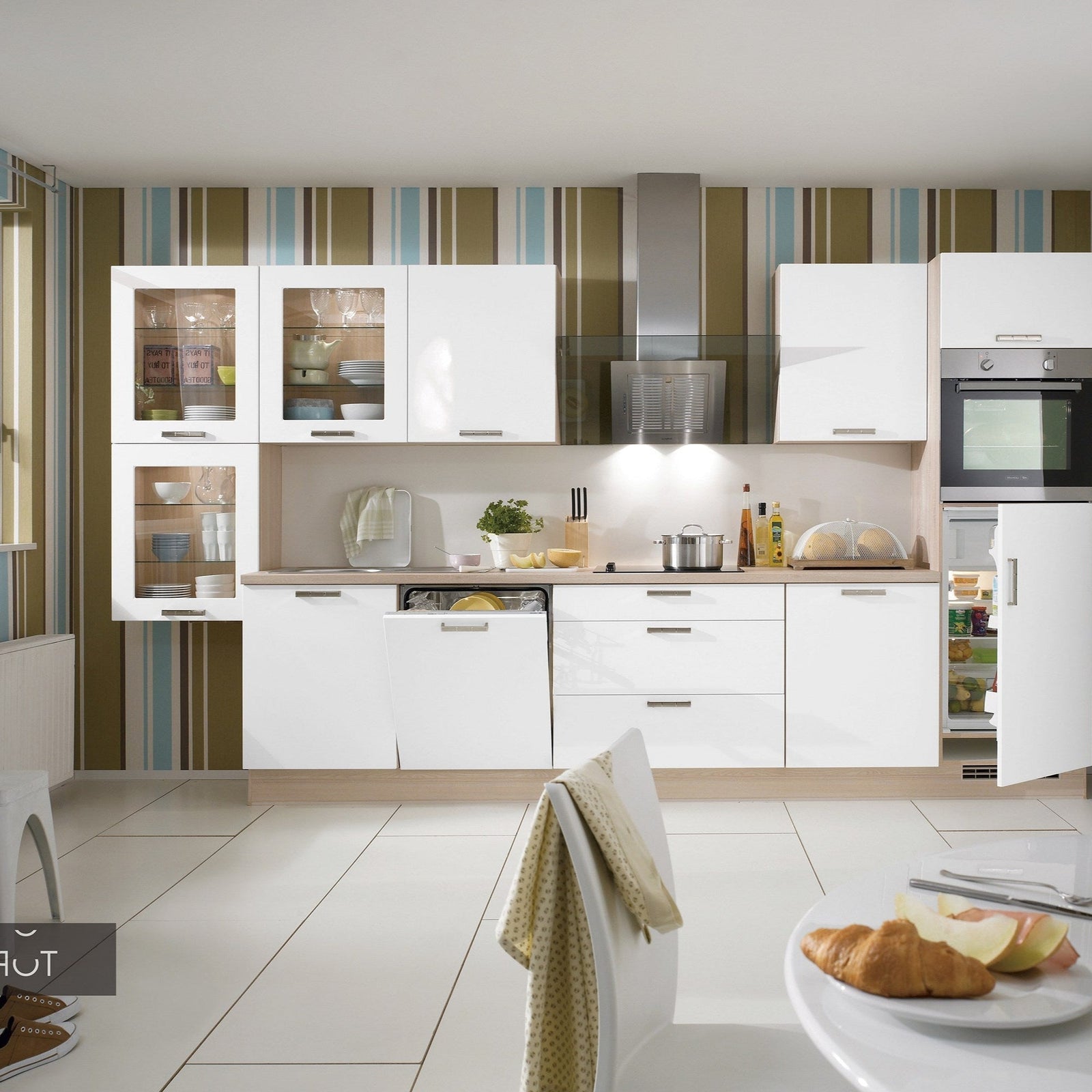

Fresher for longer, less electricity: What really matters in a refrigerator
The refrigerator is the only appliance in the kitchen that runs 24 hours a day continuously. Therefore, the choice of a model should be based on a thorough analysis of energy efficiency, functionality, durability, and noise generation. Modern appliances offer specialized technologies for food preservation that can reduce waste and increase convenience. This guide provides a structured and critical overview of the most important aspects to consider when selecting a cooling or freezing appliance.

1. Fundamental decisions: design, size, and specifications of your refrigerator
Before dealing with specific functions, the fundamental decisions regarding the design and the evaluation of technical specifications must be made.
Built-in or freestanding
- Built-in appliances: Are integrated into a kitchen cabinet and covered with a furniture front. They enable a calm, harmonious, and architecturally integrated overall appearance. When attaching the front, fixed door technology is the more stable and higher-quality solution. Here, the furniture front is mounted directly on the appliance door, ensuring high stability. The sliding door technology, where the furniture front is attached to the cabinet with its own hinges and connected to the appliance door via sliding rails, is a simpler and more cost-effective but mechanically less robust alternative.
-
Freestanding appliances (standalone units): Are flexibly placeable and not bound to the modular dimensions of a kitchen manufacturer. Common designs are:
- The classic refrigerator: Often a fridge-freezer combination with the freezer compartment at the bottom.
- Side-by-side refrigerator: A large-volume appliance with two long, side-by-side doors for the fridge and freezer sections. The advantage is the large total volume; the disadvantage is often the relatively narrow compartments.
- French-door refrigerator: A two-wing refrigerator door at the top allows for a wide, well-visible cooling compartment. Below are large, ergonomically favorable freezer drawers.
Important key figures on the EU energy label
- Energy efficiency class: Since March 2021, the scale ranges from A (very efficient) to G (less efficient). The old plus classes (A+, A++, A+++) have been discontinued. The new classification is significantly stricter, as the measurement methods now consider more realistic usage scenarios. An appliance rated C or D under the new label can therefore be very efficient. The QR code on the label leads to a European product database (EPREL) with further detailed technical information.
- Annual energy consumption: Specified in kilowatt-hours (kWh/year), this is the most important and honest comparison value for running costs.
- Noise level: Specified in decibels (dB(A)) and classified into airborne noise emission classes A to D. This is a crucial criterion in open-plan kitchens. Appliances with values below 38 dB are considered quiet, values around 35 dB very quiet.
- Climate class: Indicates the optimal ambient temperature range for operation. The most common class is SN T, which ensures operation between 10 °C and 43 °C. An incorrect installation location (e.g., in an unheated cellar below 10 °C) can impair efficiency and shorten the compressor's lifespan, as the oil becomes more viscous.
2. Key technologies for optimal food preservation
Two technologies are central to modern food preservation and have established themselves as the standard for high-quality appliances.
NoFrost (in the freezer compartment)
- How it works: A circulation system actively directs moisture from the freezer compartment to an evaporator outside the freezer section. There, the moisture freezes, is automatically defrosted at regular intervals, and the water evaporates.
- Advantages: Manual defrosting is completely eliminated. Energy consumption remains consistently low because no insulating ice layer can form that would force the compressor to work harder.
- Conclusion: This technology should be considered a basic requirement for every new purchase today.
The 0 Degree Zone (Freshness Zone in the Cooling Compartment)
-
Functionality: Special sealed drawers with a temperature near 0 °C and controlled humidity.
- "Dry" Zone: A low humidity (approx. 50%) is ideal for storing packaged meat, fish, and dairy products. The cold inhibits bacterial growth.
- "Moist" Zone: A high humidity (approx. 90%) is perfect for unpackaged fruits and vegetables. It prevents drying out and maintains cell tension, keeping the food crisp longer.
- Advantages: Food stays provenly fresh up to three times longer than in a conventional cooling compartment. This reduces food waste and can save costs in the long term.
- Disadvantages: The freshness zone takes up a significant part of the volume in the cooling compartment. Additionally, devices with this technology are more expensive to purchase.
- Conclusion: A very sensible investment for households that cook a lot with fresh, sensitive foods and value long shelf life.

3. Comfort Features and Interior Equipment
- Water and Ice Dispensers: A common feature in large freestanding units. Systems with fixed water connections offer the highest comfort but require installation and regular replacement of the water filter. Systems with integrated water tanks are more flexible in placement, but the tank must be filled manually and cleaned regularly to prevent germ formation.
- Flexible Interior Design: Quality shows in the details. Adjustable glass shelves, ideally with metal applications as edge protection, are more stable and hygienic than plastic shelves. Special bottle racks, divisible or sliding shelves for tall containers, and drawers on telescopic rails increase flexibility and user comfort.
-
Connected Functions ("Smart Home"): Control via app offers features such as an interior camera, notifications for open doors, or remote control of functions like rapid cooling. Risks should be weighed before purchase:
- Data Protection: Connected devices collect detailed usage data.
- Digital Obsolescence: The lifespan of software is often shorter than that of the device. Discontinued app support can render smart functions unusable.
- Costs and Reliability: Smart devices are more expensive and potentially more prone to errors due to the additional electronics.

4. Specialized Special Devices
For specific requirements, there are specialized devices that serve as a supplement, not a replacement, for a refrigerator.
- Wine climate cabinets: Allow the storage of wine at a constant temperature, controlled humidity, and protection from UV light (through special glass doors) and vibrations (through a vibration-damped compressor). There are devices with one or more temperature zones for the simultaneous storage of red and white wine at optimal drinking or storage temperature.
- Rapid coolers for drinks: Compact built-in appliances that cool beverage bottles from room temperature to drinking temperature within minutes through a combination of rotation, water spraying, and a cold air stream. This is a costly niche solution, primarily for households with high hosting demands.
5. Conclusion: Priorities for a needs-based selection
The modern refrigerator is a durable consumer good. The selection should be based on a rational prioritization of functions rather than being guided by marketing terms.
Priority 1: Essential basic functions
- NoFrost technology in the freezer compartment.
- A high energy efficiency class (e.g., A to D according to the new label) and a proven low kWh consumption.
- A quiet operation (under 38 dB), especially in open-plan kitchens.
- A suitable size and design for the household and kitchen planning.
- The climate class suitable for the environment.
Priority 2: Meaningful and value-enhancing upgrades
- A 0-degree freshness zone when fresh and sensitive foods are frequently stored and the budget allows.
- A high-quality and flexible interior design with glass shelves and telescopic drawers.
- For built-in appliances, the choice of the more durable solid door technology.
Priority 3: Optional comfort and luxury features
- Smart functions and networking when a concrete, daily benefit from remote control or notifications is expected and the associated risks and costs are acceptable.
- Integrated water and ice dispensers when this function is frequently used.
- Special devices such as wine climate cabinets for specific hobbies.
A careful selection based on these criteria ensures that you receive a device that not only cools but actively helps you live more sustainably and comfortably.
View full article


Effektive Raumnutzung und Beleuchtungskonzepte in der modernen Küche
Viele Küchen leiden unter ungenutztem Stauraum und fehlender Beleuchtung in der Küche. Praxisorientierte Konzepte ermöglichen optimale Raumnutzung und funktionale, stimmungsvolle Küchenbeleuchtung. Tipps reichen von deckenhohen Schränken bis zu smarten Lichtkonzepten für perfektes Licht und maximale Funktion.
View full article

Farbtrends in der Küche: So schaffen Sie Ruhe und Natürlichkeit
Sterile Küchen wirken unpersönlich und kalt. Sanfte Erdtöne als Wandfarbe in der Küche schaffen eine warme, natürliche Atmosphäre. Küchentrends 2025 zeigen, wie Sie Ruhe und Geborgenheit erreichen.
View full article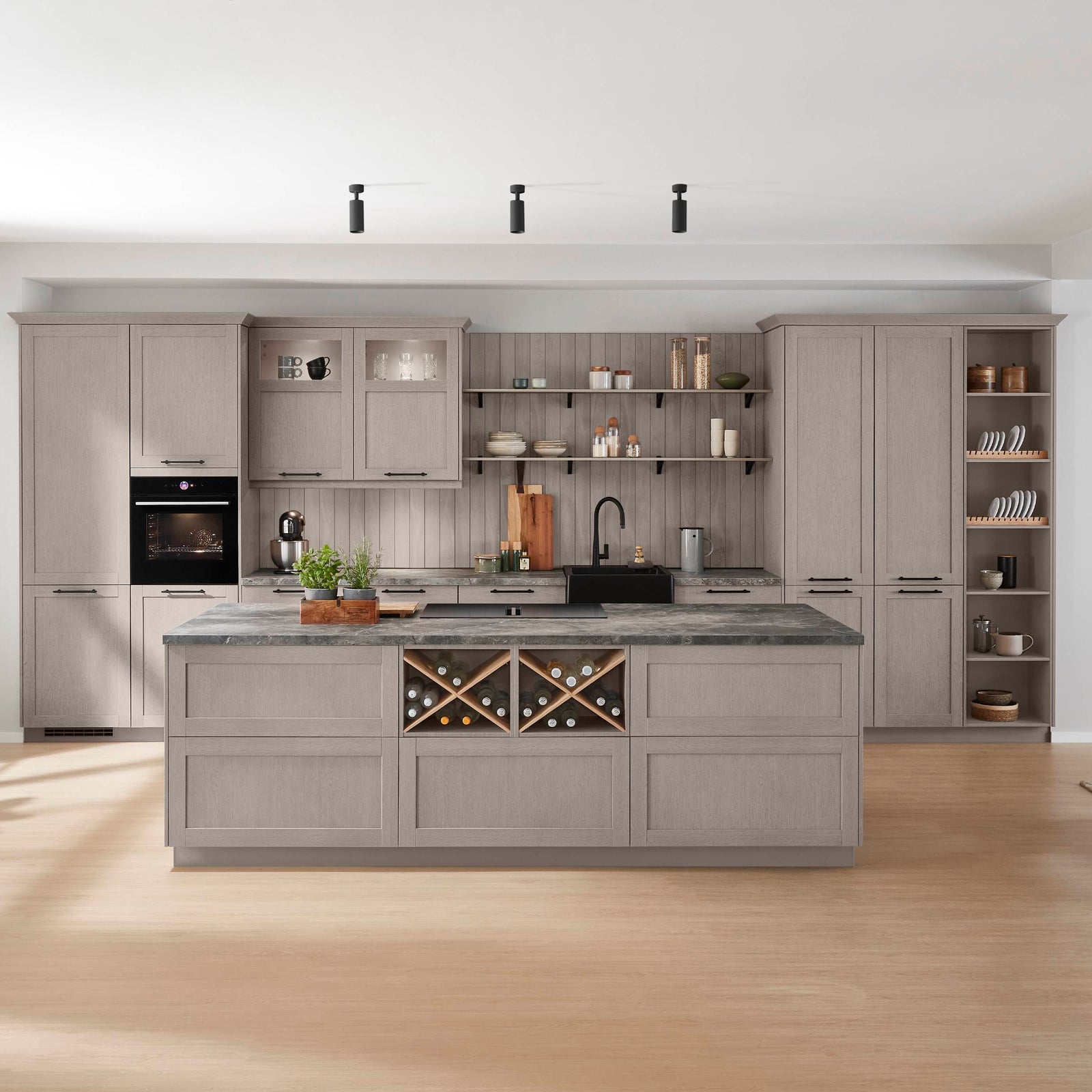

Die moderne Landhausküche im Kontext von Design und Funktionalität
Die moderne Landhausküche setzt 2025 auf rustikale Holzfronten und klare Formen für zeitgemäße Funktionalität im Landhausstil. Als Experte für Küche und Einrichtung stelle ich Farbtrends wie Schilf, Steinblau und Sand vor und zeige elegante Gestaltungsmöglichkeiten. Praxisorientierte Tipps zu Rahmenfronten, ergonomischer Ausstattung und Materialwahl runden den Beitrag ab.
View full article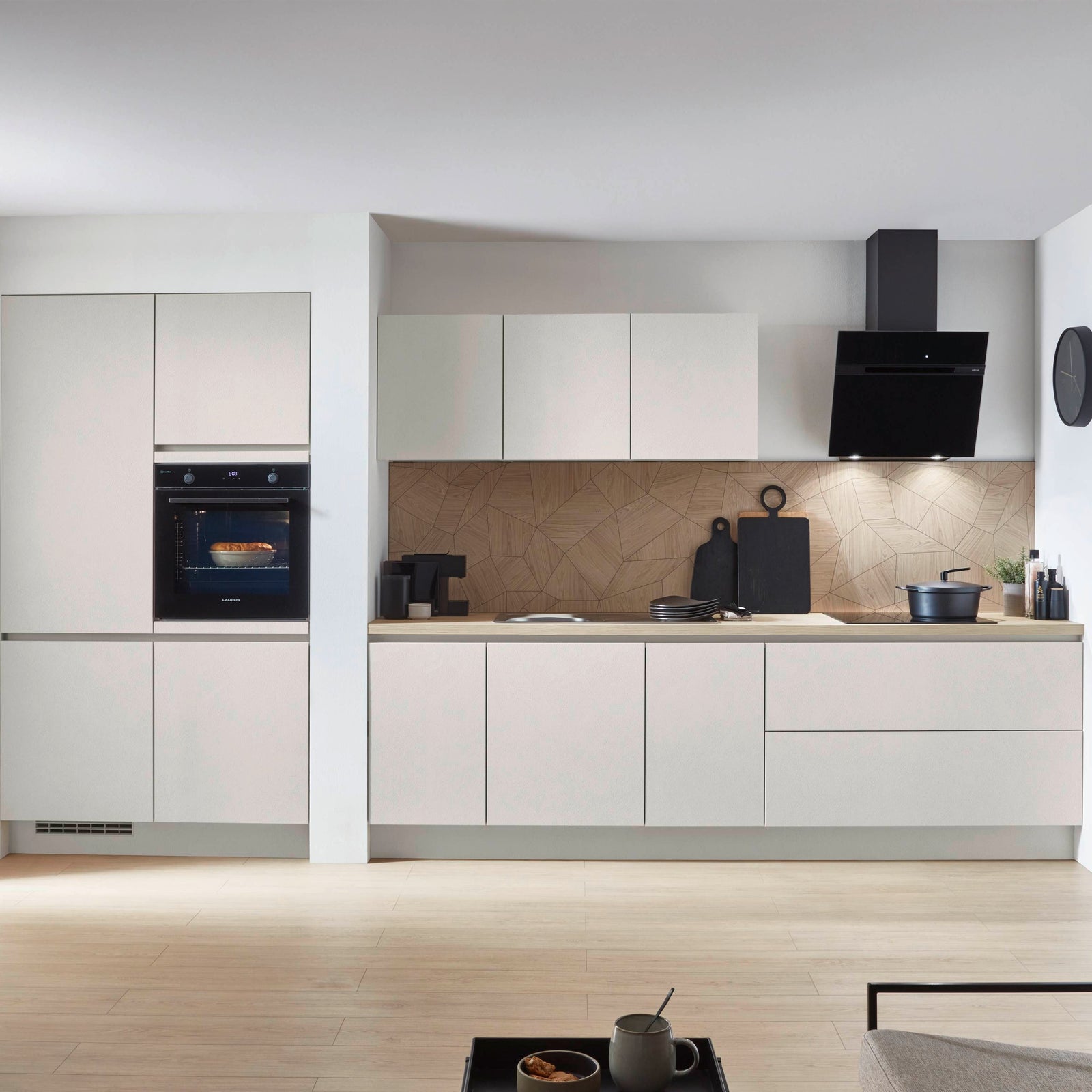

Strategien zur Küchenplanung im Einstiegssegment: Qualität und Standardisierung bei nobilia Küchen
Viele Verbraucher stehen vor undurchsichtigen Küchenpreisen und wissen nicht, worauf es bei nobilia Küchen im Einstiegssegment ankommt. Fundierte Strategien zur Auswahl preisgünstiger Einstiegsprogramme und standardisierter Planung sorgen für transparente Kosten und geprüfte Qualität. Der Leitfaden bietet klare Schritte zur funktionalen neuen Küche zum fairen Preis.
View full article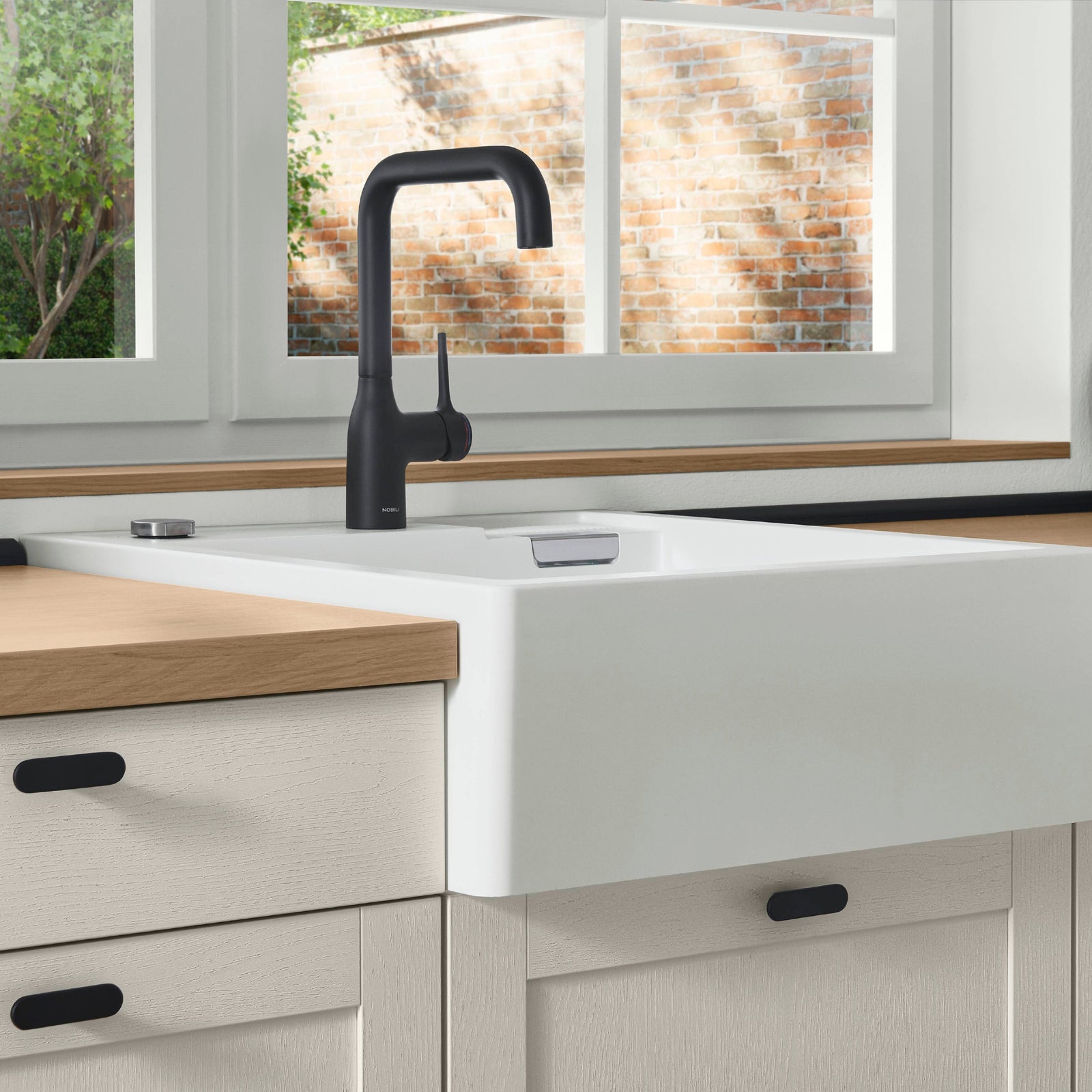

Optionen zur Individualisierung in der modernen Küchenplanung
Viele Küchen folgen noch festen Vorgaben und wirken dadurch unflexibel. Die Analyse aktueller Nobilia-Produktlinien zeigt, wie moderne Küchenplanung modulare Baukastenprinzipien und vielfältige Materialkombinationen für echte Individualisierung nutzt. Küchentrends 2024 in der Küchengestaltung liefern Beispiele für Frontdesign, Griffdetails und nBOX-Schubkastensystem.
View full article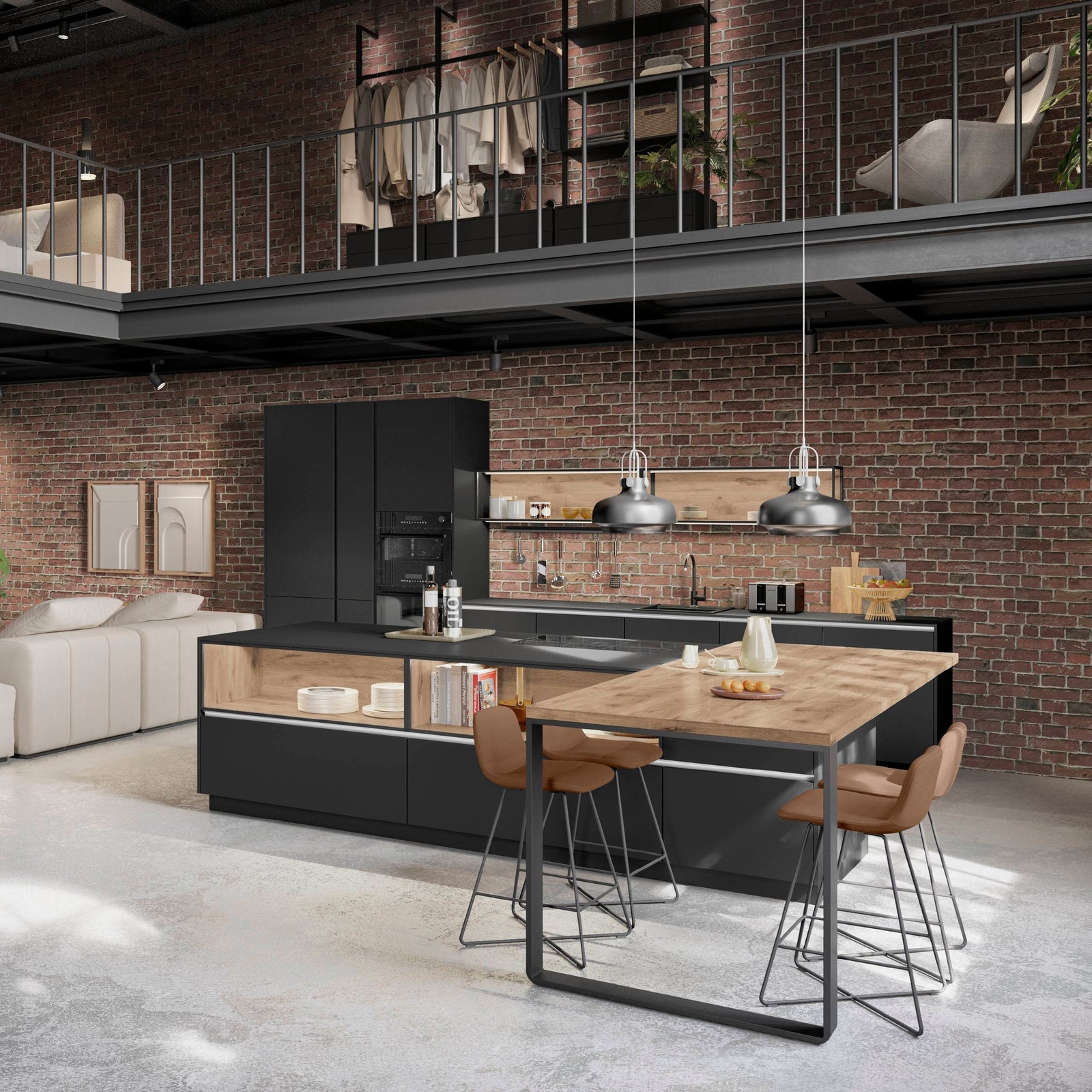

Raumübergreifende Planungskonzepte: Die Integration von Küche und Wohnraum
70 Prozent der Neubauwohnungen setzen heute auf offene Grundrisse und fordern frische Lösungen für Küche und Wohnraum. Als Fachplaner für aktuelle Küchentrends präsentiere ich praxisorientierte Konzepte mit modularen Nobilia Systemen und einheitlichen Dekoren. Leser profitieren von umsetzbaren Tipps zu Materialbrücken, Beschlagtechnik und ganzheitlichen Wohnkonzepten.
View full article Effektive Raumnutzung und Beleuchtungskonzepte in der modernen Küche
Viele Küchen leiden unter ungenutztem Stauraum und fehlender Beleuchtung in der Küche. Praxisorientierte Konzepte ermöglichen optimale Raumnutzung und funktionale, stimmungsvolle Küchenbeleuchtung. Tipps reichen von deckenhohen Schränken bis zu smarten Lichtkonzepten für perfektes Licht und maximale Funktion.
View full article Farbtrends in der Küche: So schaffen Sie Ruhe und Natürlichkeit
Sterile Küchen wirken unpersönlich und kalt. Sanfte Erdtöne als Wandfarbe in der Küche schaffen eine warme, natürliche Atmosphäre. Küchentrends 2025 zeigen, wie Sie Ruhe und Geborgenheit erreichen.
View full article Die moderne Landhausküche im Kontext von Design und Funktionalität
Die moderne Landhausküche setzt 2025 auf rustikale Holzfronten und klare Formen für zeitgemäße Funktionalität im Landhausstil. Als Experte für Küche und Einrichtung stelle ich Farbtrends wie Schilf, Steinblau und Sand vor und zeige elegante Gestaltungsmöglichkeiten. Praxisorientierte Tipps zu Rahmenfronten, ergonomischer Ausstattung und Materialwahl runden den Beitrag ab.
View full article