Your cart is empty






Küche




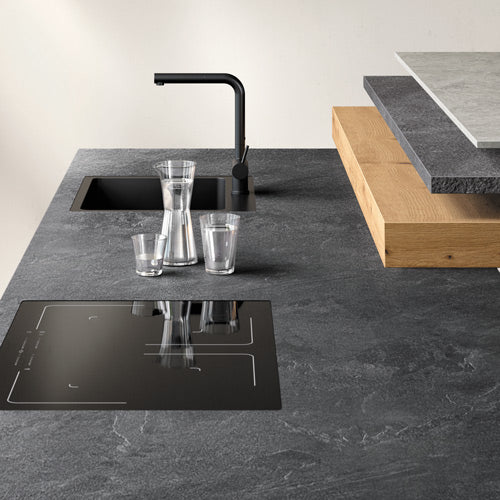

PROFESSIONELLER 3D NOBILIA KÜCHENPLANER - Desktop


ONLINE KITCHEN PLANNING WITH PRICES - configure today / pick up tomorrow
INTUITIVE & SCHNELLE KÜCHENPLANUNG - Auf allen Geräten


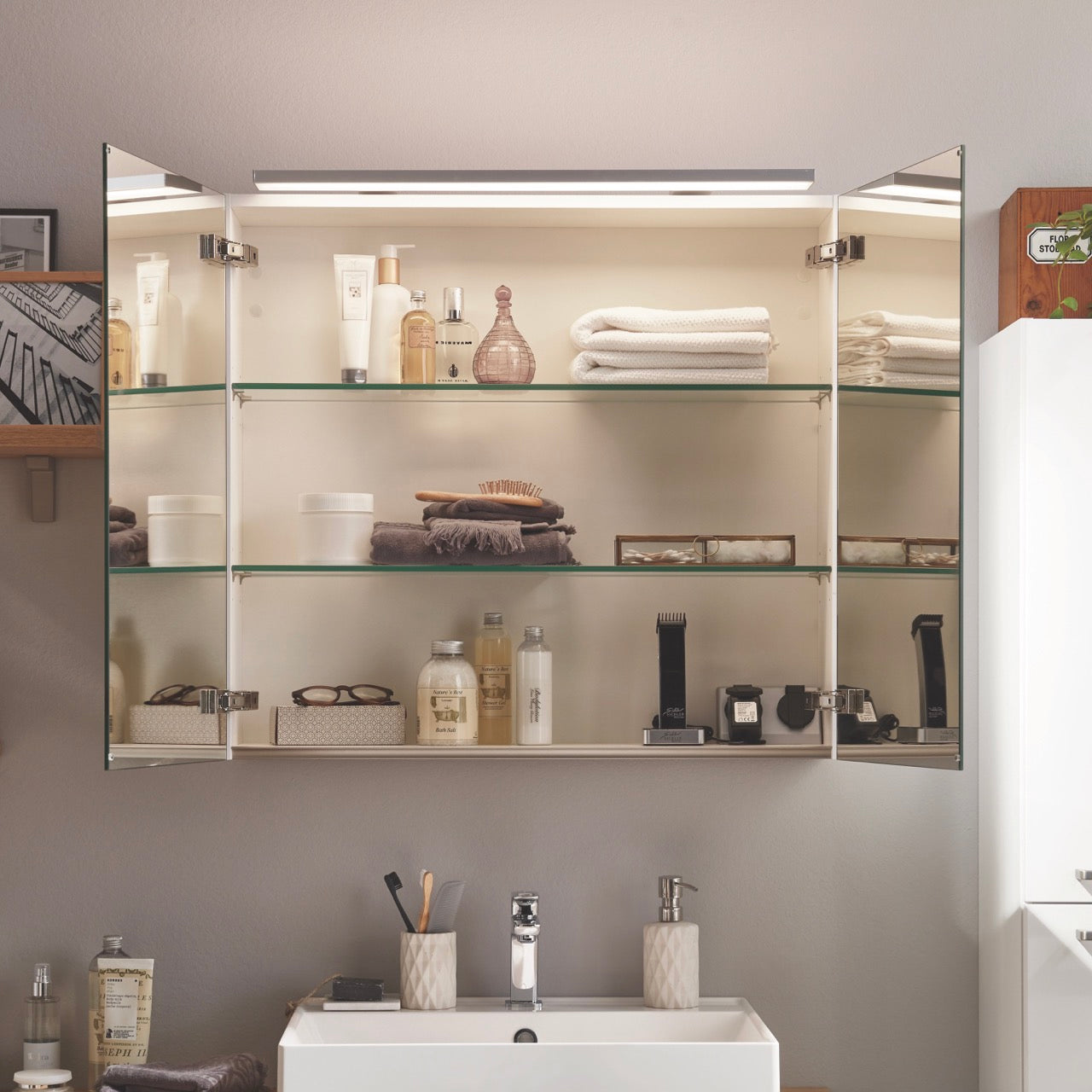

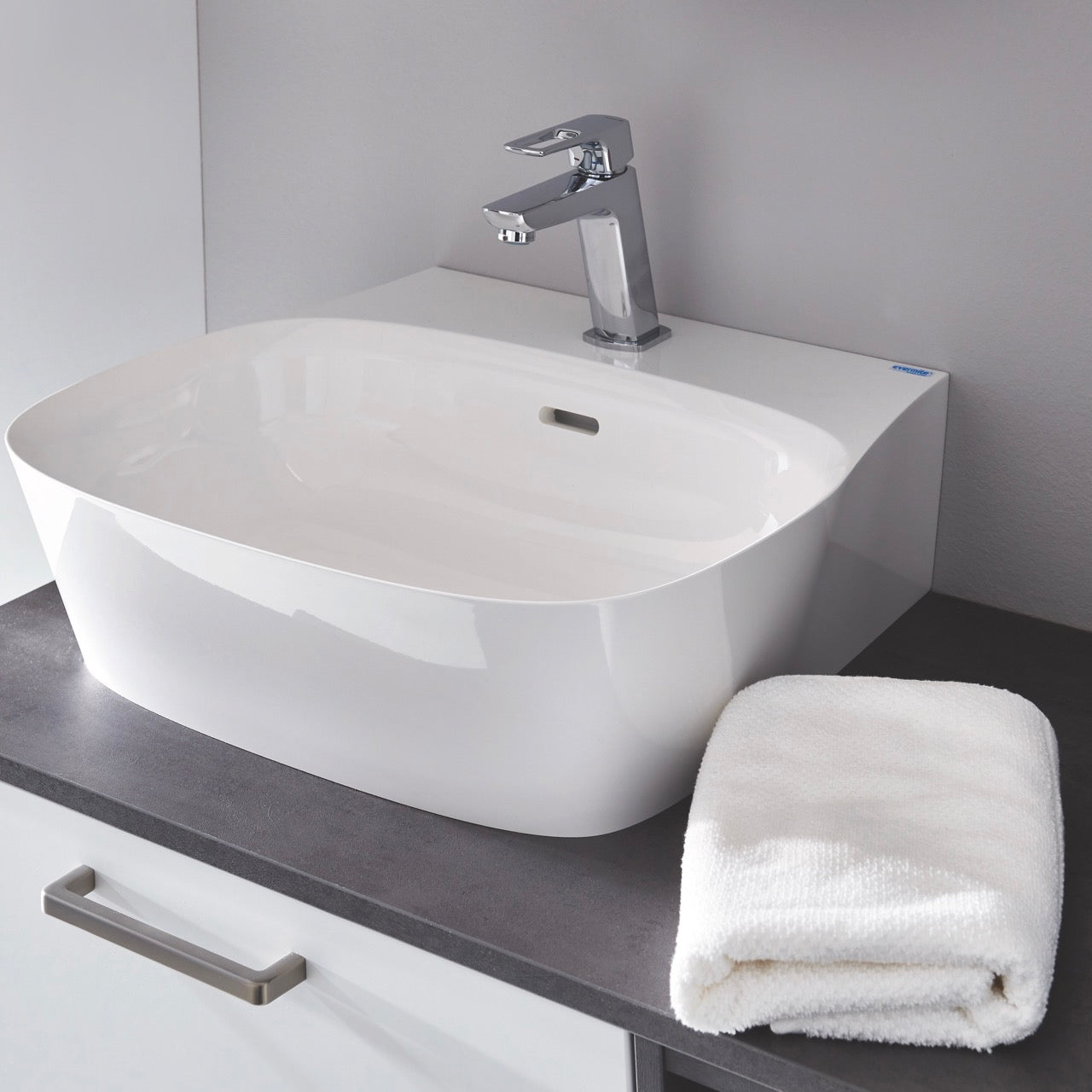




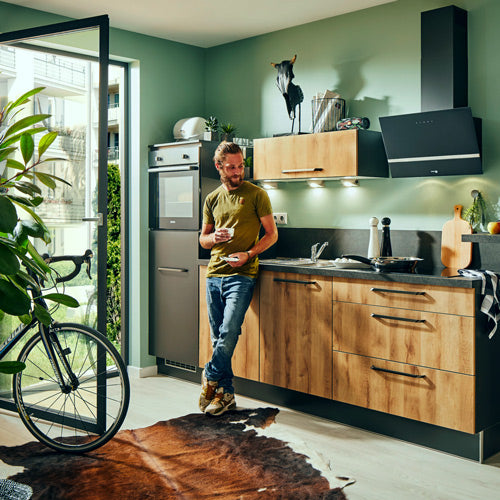
Your new fitted kitchen: How to plan step by step
The modern fitted kitchen is a highly individualized system solution that is tailored to the given room architecture and the specific needs of its users with millimeter precision. It has historically developed from the concept of the standardized "Frankfurt kitchen" of the 1920s, which was the first to aim at optimizing workflows. Today, the fitted kitchen goes far beyond this and represents a complex project that requires careful, professional planning. This guide structures the planning process before purchasing a kitchen, highlights the central decision factors, and critically weighs the advantages and disadvantages of this kitchen concept.
1. Features and Considerations in Planning the New Kitchen
A custom-designed fitted kitchen fundamentally differs from the standardized, pre-configured kitchen unit or modular concepts. These differences bring both significant advantages and clear limitations.

Advantages of a Fitted Kitchen
Efficient use of space: Through tailor-made cabinet solutions and the use of exact filler strips, even complex room situations with corners, niches, projections, or sloping ceilings can be used without gaps. Unlike standard furniture, no valuable storage space is wasted due to unused intermediate spaces. The entire room height can be utilized with ceiling-high cabinets.
Optimized ergonomics: The working heights can be precisely adapted to the body height of the main user. The "elbow method" is recognized as a way to determine the optimal height: while standing, the forearm is bent at a 90-degree angle; the ideal working height is 10 to 15 cm below the elbow. Furthermore, the arrangement of functional zones (preparing, cooking, washing) is optimized to minimize walking distances and ensure a logical, comfortable workflow.
Individual design freedom: Style, materials, colors, and functional details can be freely chosen and individually combined in the planned kitchen. This enables the realization of a unique, personal kitchen concept that exactly matches the user's aesthetic preferences.
Harmonious overall appearance: All components, from the cabinets to the electrical appliances to the countertop, are assembled into a fixed, precisely fitting unit. This leads to a calm, high-quality, and architecturally integrated appearance. A continuous joint pattern, where the gap dimensions between all fronts are precisely coordinated, contributes significantly to this design.
Disadvantages and Limitations of a Fitted Kitchen
Inflexibility: A fitted kitchen is a fixed installation connected to the building. After installation, it cannot be changed or moved to a new location during a move without very high effort. This primarily makes it a solution for property owners.
High initial investment: The custom manufacturing, often more complex fittings, and the necessarily professional installation lead to significantly higher costs compared to modular or freestanding kitchens assembled from standard elements.
Complicated repair and renewal: Replacing a single appliance can become problematic if its dimensions no longer correspond to the original standard after a few years. A damaged front often cannot be reordered in exactly the same color tone or decor after years because manufacturers regularly change their collections. This can lead to visible differences in a localized repair.
2. The Planning Process of Your Dream Kitchen
Successful kitchen planning is a structured, iterative process that ideally takes place in cooperation with a professional kitchen planner or interior designer. Careful preparation by the client is a great advantage.
Phase 1: Needs analysis: A detailed analysis of one's own requirements should be done beforehand. Central questions to ask are:
- Usage: How many people regularly use the kitchen? Is cooking elaborate daily, or is the kitchen mainly for quick meal preparation? Are there special cooking habits (e.g., baking, canning, cooking with a wok)?
- Storage space: What items need to be stored? An inventory of dishes, pots, supplies, and small appliances helps realistically estimate the actual space requirement.
- Social function: Should the kitchen be a pure workspace or also serve as a place for social gatherings, homework, or as a home office?
- Future planning: Will the family size change in the foreseeable future? Should the kitchen be designed to be age-appropriate and barrier-free?
- Budget: What financial framework is planned for the overall project (furniture, appliances, installation, possible remodeling work)?
Phase 2: Measurement and structural inspection: A millimeter-precise measurement of the room is the indispensable basis for accurate planning. All wall lengths, room height, as well as the exact position and size of windows, doors, radiators, and architectural features must be recorded. Equally important is the precise location of connections for water, wastewater, and high-voltage electricity. Practical tip: Walls are often not exactly right-angled or floors uneven. A professional measurement by the kitchen planner is essential. They can recognize such structural problems and compensate for them in planning by using custom-made filler strips or an adjusted plinth height. Additionally, the planner assumes liability for the accuracy of the ordered furniture.
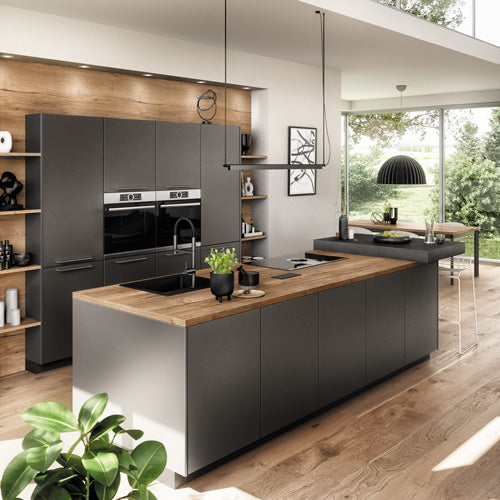
Phase 3: Choice of kitchen shape: Based on the floor plan, the basic kitchen shape is determined. Common layouts are the flexible L-shaped kitchen, the storage-optimized U-shaped kitchen, or, in large open rooms, a communicative kitchen with an island. The chosen shape determines the basic workflows and the placement of functional zones.
Phase 4: Selection of components and sampling: This step involves detailed planning. This includes selecting materials and colors for fronts and countertops, defining the required electrical appliances, and choosing the sink and faucet. Practical tip: Never rely solely on the color representation of a 3D visualization. Always request physical, preferably large-format material samples. Assess their haptics and color effect under the real lighting conditions of your own room at different times of day (morning light, evening light, artificial light), as color perception is strongly influenced by ambient light.
Phase 5: Technical planning and approval: The planner creates detailed technical drawings and installation plans that also specify the exact positioning of electrical and water connections for the craftsmen. The 3D visualization serves as an iterative tool to check and adjust the concept. Before the final commissioning, all details in the plans are finalized and approved in writing by the client. After this point, changes are often no longer possible or only with significant costs.
3. The Room Concept: Open Living Kitchen Compared to Separate Room
A far-reaching decision is between a closed kitchen room and an open living kitchen concept.

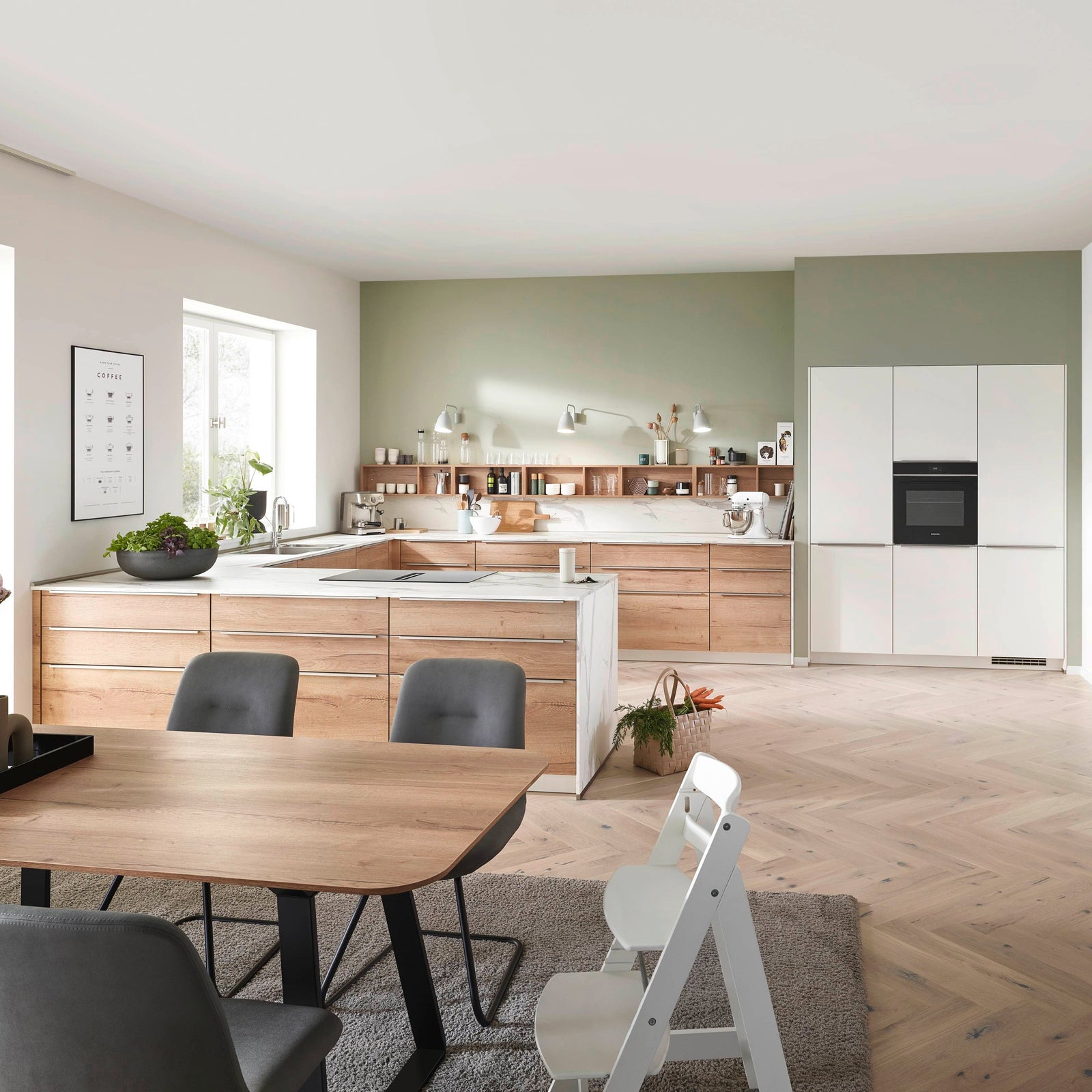
Advantages of the open concept The open living kitchen, where the areas for cooking, eating, and living flow into each other, promotes communication and social interaction. The removal of partition walls creates a spacious, bright feeling of space.
Technical and design requirements of the open kitchen:
Noise emissions: The operating noises of the appliances become part of the living space. Investing in quiet electrical appliances is essential. Modern dishwashers should have a sound pressure level below 45 decibels (dB). A difference of 3 dB is already perceived as a doubling or halving of the perceived volume. Quiet refrigerators and the installation of soundproof mats or thicker cabinet backs can also contribute to noise reduction.
Odor emissions: A powerful extractor system is indispensable. If structurally possible, exhaust air systems that lead the air directly outside are preferable to recirculation systems because they are more effective. Recirculation systems filter the air and return it to the room, which requires regular maintenance and replacement of activated carbon filters. For cooking islands, downdraft extractors integrated into the cooktop are an effective and aesthetically unobtrusive solution.
Visual order: Clutter is permanently visible. Planning should provide sufficient closed storage space. Handleless fronts support a calm, flat, and furniture-like appearance that integrates well into the living area. Special tall cabinets with pocket doors can even hide entire functional areas when not in use.
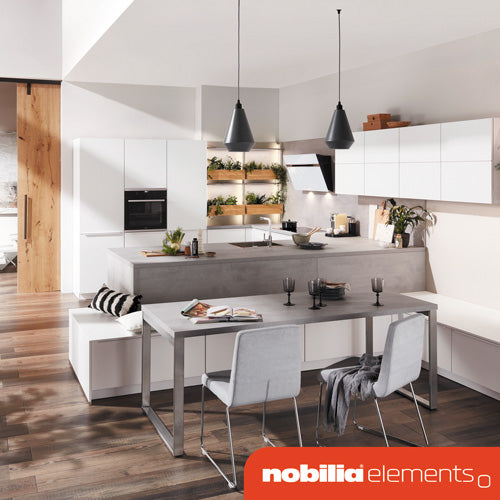
Design coordination: To create a harmonious connection between the different zones, materials and colors should be coordinated. Repeating the wood tone of the flooring in the countertop, matching the front color to the wall color of the living area, or using the same metal finishes for handles, lights, and chair legs are proven methods. A continuous floor covering is the most effective means to visually connect the areas into a single unit.
4. Cost Framework and Main Cost Drivers
The price range for a custom-designed fitted kitchen is considerable. A general statement is difficult, but understanding the main cost drivers helps with budget planning.
- Cabinets and fronts (approx. 30 to 40%): The largest cost block. The material of the fronts (a simple plastic front compared to a real lacquer or solid wood front) and the complexity of the cabinets (elaborate corner cabinet mechanics, pull-out pantry cabinets) are decisive here.
- Electrical appliances (approx. 25 to 35%): The choice of brand and the range of functions of the appliances significantly influence the price. A set of basic appliances can be many times cheaper than a set of premium appliances with special functions.
- Countertop (approx. 10 to 20%): The price range extends from inexpensive laminate to solid wood to expensive natural stone or ceramic. Costs also increase with the complexity of processing (e.g., flush cutouts, polished edges).
- Installation, delivery, and connections (approx. 10 to 15%): Professional installation is a significant cost factor that ensures the quality and durability of the kitchen. More complex planning and elaborate connections increase this item.
5. Conclusion and Recommendation for Kitchen Planning
The acquisition of a fitted kitchen represents a significant and long-term investment. Careful, professionally accompanied planning is the key to success. The fitted kitchen is the right choice for property owners who seek a durable, precisely fitting, and high-quality solution and are willing to make a higher investment and accept lower flexibility. For tenants or people who move frequently or require a high degree of flexibility, modular or freestanding kitchen concepts could be a more sensible alternative. The planning process should be understood as a partnership dialogue between user and planner to develop a tailor-made solution that convinces throughout its entire lifespan with high user comfort, efficiency, and an increase in quality of life.
View full article

Sachliche Küchenplanung für erfahrene Käufer
Erfahrene Käufer wissen: Sachliche Küchenplanung spart langfristig Zeit und Kosten. Faire Angebotsküchen und gebrauchte Ausstellungsküchen im Küchenstudio bieten hohes Potenzial, wenn Sie drei zentrale Planungsprinzipien beachten. So erreichen Sie robuste Materialien, ausreichenden Stauraum und ein klares Raumkonzept.
View full article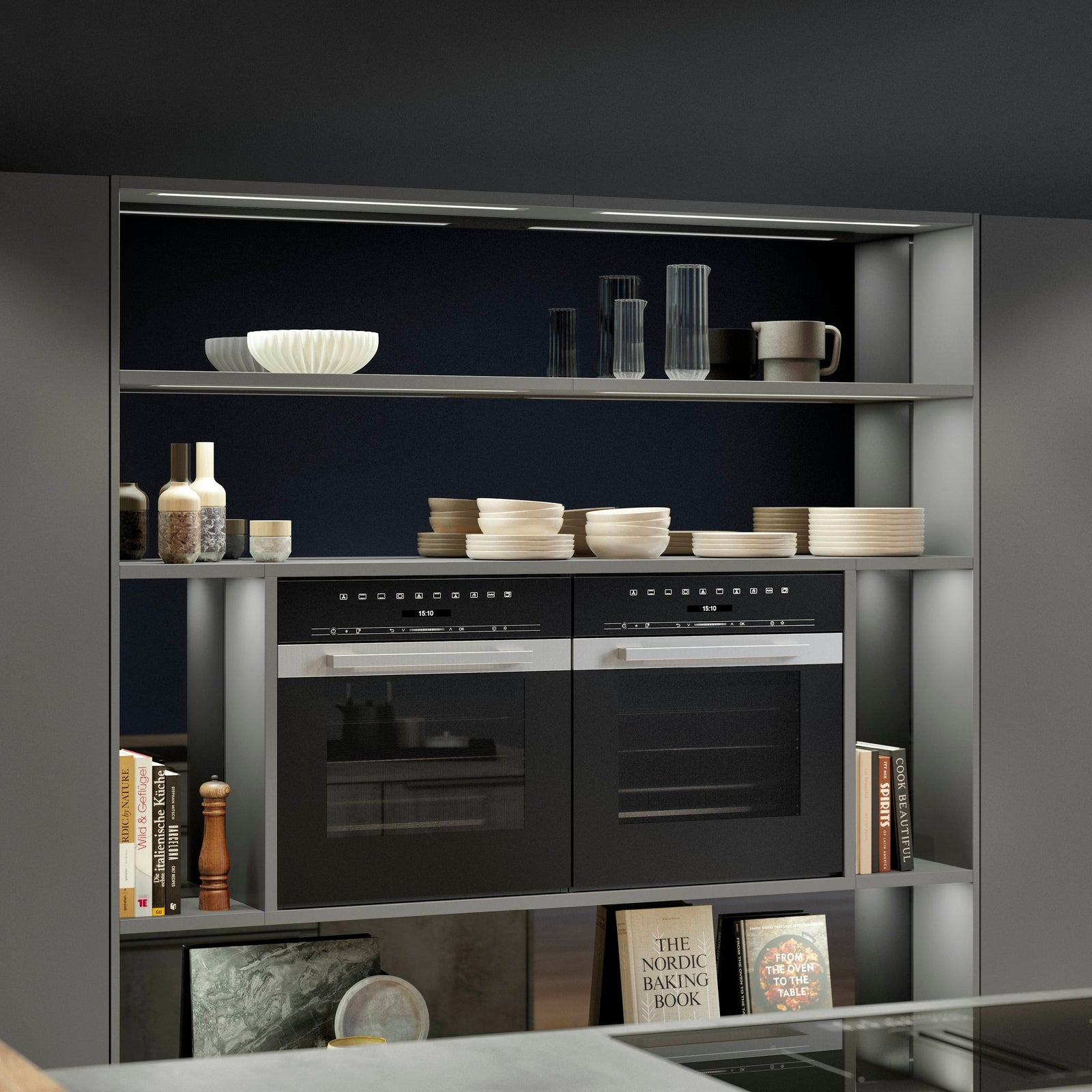

Gerätetechnische Erweiterungen im Nobilia-Portfolio 2026
Moderne Küchen verlangen einfache Wartung und vielseitige Küchengeräte. Nobilia präsentiert 2026 mit dem BORA GPNext und exklusiven Electrolux-Neuheiten technische Erweiterungen für das mittlere Segment. Diese Innovationen beschleunigen den Filterwechsel und bieten Planern eine zentrale Lösung, ein Highlight unter den Küchentrends 2026.
View full article

Effektive Raumnutzung und Beleuchtungskonzepte in der modernen Küche
Viele Küchen leiden unter ungenutztem Stauraum und fehlender Beleuchtung in der Küche. Praxisorientierte Konzepte ermöglichen optimale Raumnutzung und funktionale, stimmungsvolle Küchenbeleuchtung. Tipps reichen von deckenhohen Schränken bis zu smarten Lichtkonzepten für perfektes Licht und maximale Funktion.
View full article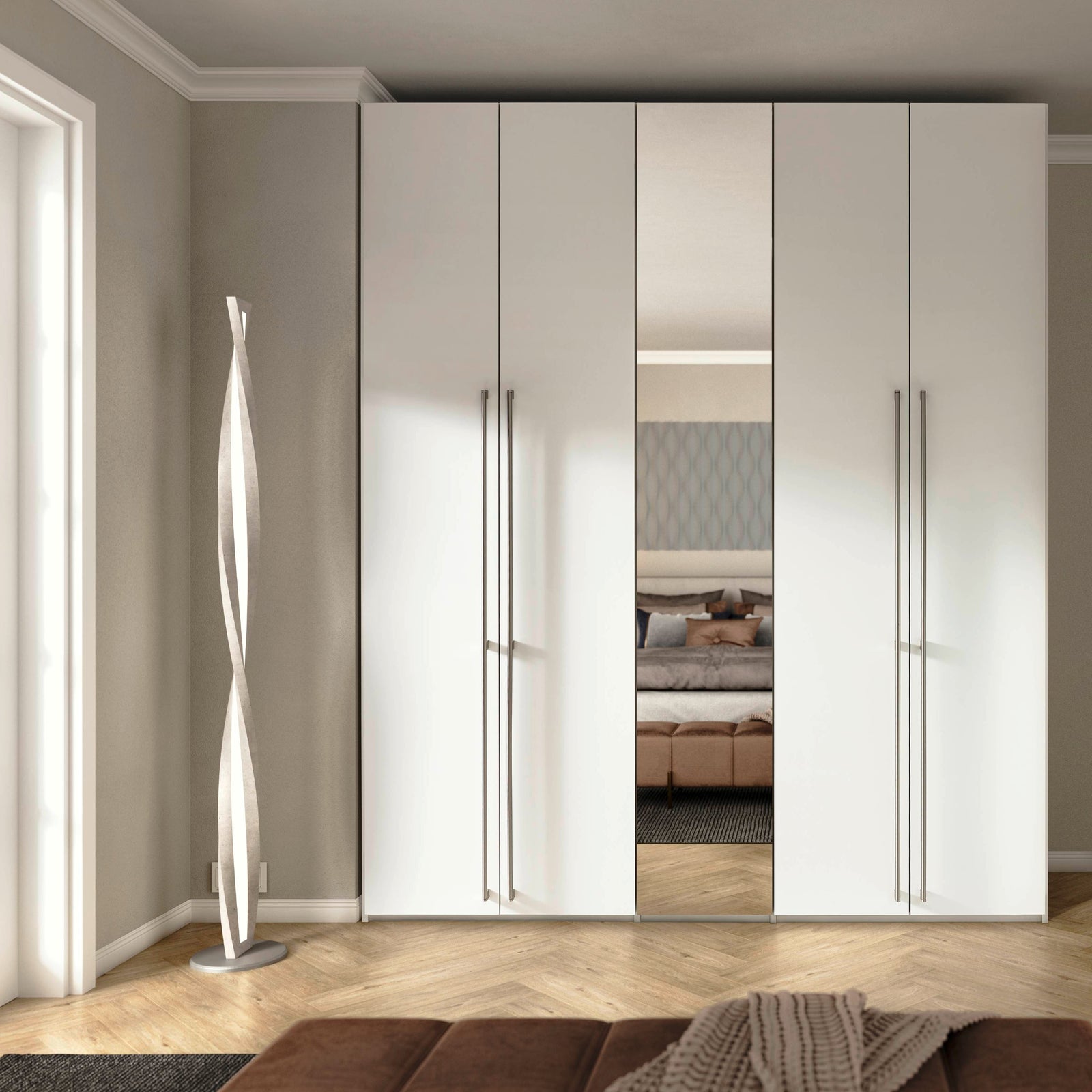

Schlafzimmerplanung mit nobilia
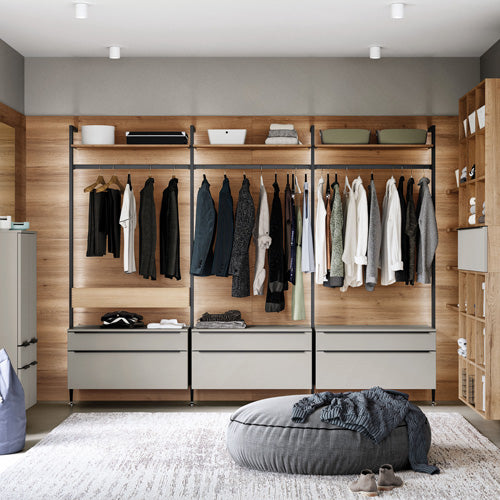
Viele Haushalte zwischen vierzig und sechzig stehen vor der Herausforderung, ihr Schlafzimmer funktional und stilvoll neu zu planen. nobilia erweitert seine Küchenkompetenz um ein systembasiertes Möbelprogramm mit flexiblen Kleiderschrankelementen und abgestimmten Dekoren. Modulare Schlafzimmerplanung sorgt für Langfristigkeit, Stauraumoptimierung und ein durchgängiges Möbelkonzept.
View full article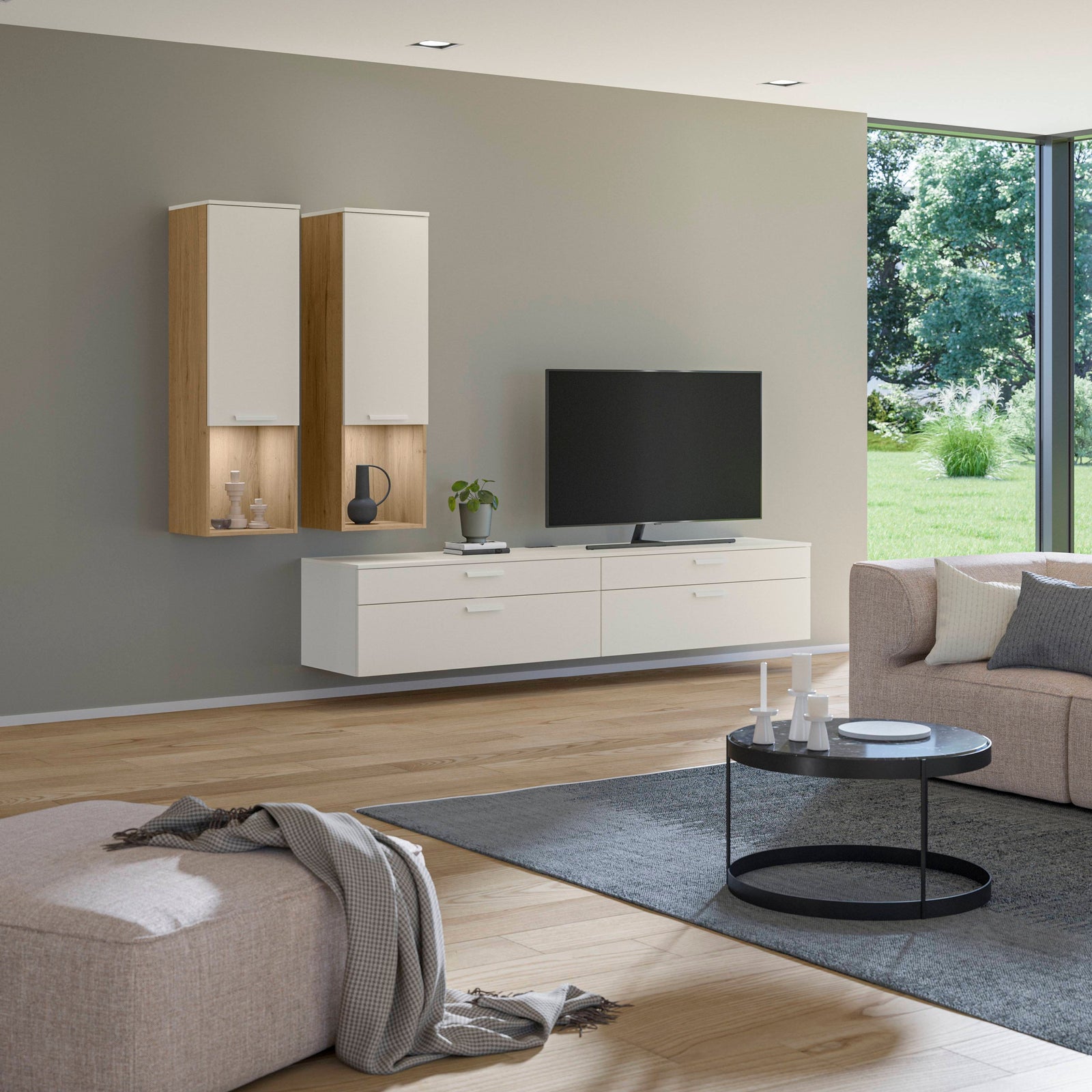

Wohnräume langfristig planen mit den nobilia Produktlinien
Langfristige Wohnraumplanung stellt viele vor unerwartete Hürden. Mit den nobilia Produktlinien profitieren Sie von durchdachten Modulkonzepten für Küchen und offene Wohnbereiche. So schaffen Sie funktionale Räume mit klarer Gestaltung und zeitloser Technikintegration.
View full article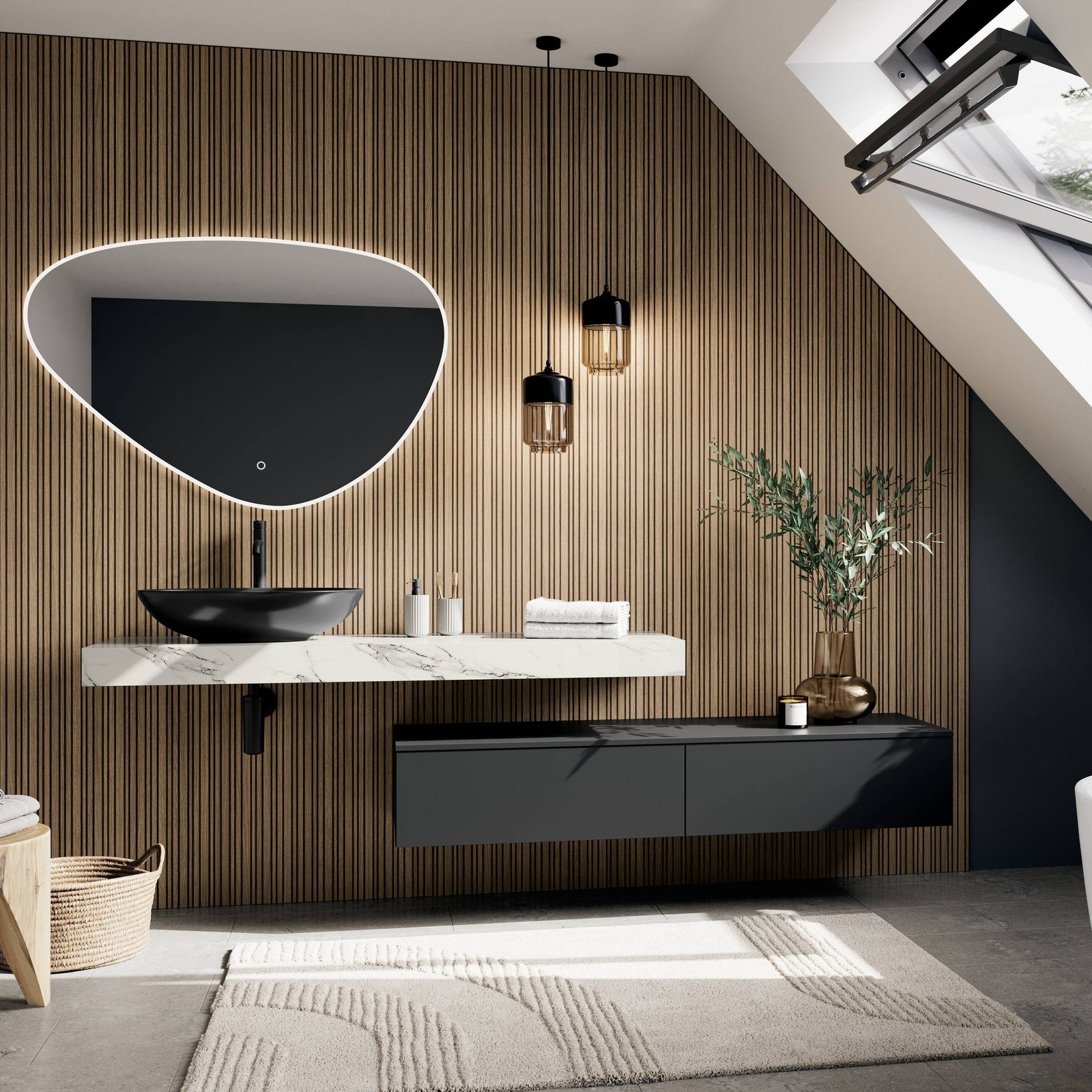

Badplanung mit Blick auf Alltag, Werterhalt und langfristige Nutzung
Viele Eigentümer suchen nach einer funktionalen Badplanung, die Werterhalt und Alltagstauglichkeit vereint. Ich bin Fachmann für nobilia Badmöbel und liefere planungssichere Konzepte, robuste Fronten und Tipps für den Online-Kauf von Badmöbeln. So entsteht ein pflegeleichtes, werterhaltendes Badezimmer für den Alltag.
View full article Sachliche Küchenplanung für erfahrene Käufer
Erfahrene Käufer wissen: Sachliche Küchenplanung spart langfristig Zeit und Kosten. Faire Angebotsküchen und gebrauchte Ausstellungsküchen im Küchenstudio bieten hohes Potenzial, wenn Sie drei zentrale Planungsprinzipien beachten. So erreichen Sie robuste Materialien, ausreichenden Stauraum und ein klares Raumkonzept.
View full article Gerätetechnische Erweiterungen im Nobilia-Portfolio 2026
Moderne Küchen verlangen einfache Wartung und vielseitige Küchengeräte. Nobilia präsentiert 2026 mit dem BORA GPNext und exklusiven Electrolux-Neuheiten technische Erweiterungen für das mittlere Segment. Diese Innovationen beschleunigen den Filterwechsel und bieten Planern eine zentrale Lösung, ein Highlight unter den Küchentrends 2026.
View full article Effektive Raumnutzung und Beleuchtungskonzepte in der modernen Küche
Viele Küchen leiden unter ungenutztem Stauraum und fehlender Beleuchtung in der Küche. Praxisorientierte Konzepte ermöglichen optimale Raumnutzung und funktionale, stimmungsvolle Küchenbeleuchtung. Tipps reichen von deckenhohen Schränken bis zu smarten Lichtkonzepten für perfektes Licht und maximale Funktion.
View full article